MWE Correspondent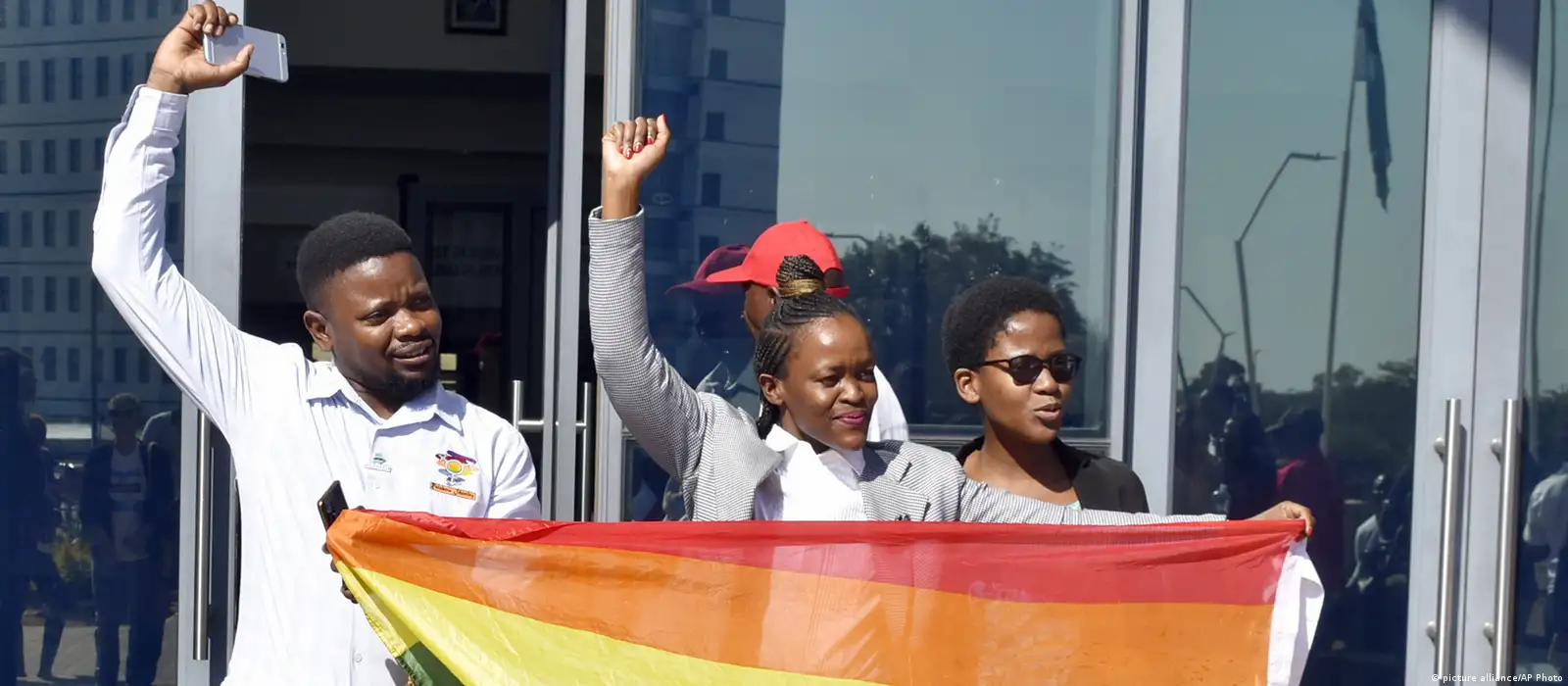
The government of Botswana has officially removed colonial-era provisions that criminalised same-sex relations from its Penal Code, completing a landmark legal reform that marks a significant turning point in the country’s constitutional and human rights history.
The reform finalises a process that began in the courts several years ago, when Botswana’s judiciary took the lead in dismantling laws inherited from colonial rule. In 2019, the High Court ruled that provisions criminalising consensual same-sex relationships were unconstitutional, finding that they violated core rights including dignity, privacy, equality, and freedom of association. That ruling was later upheld in 2021 by the Court of Appeal, effectively setting a binding legal direction toward decriminalisation.
With the latest legislative amendment, Botswana has now moved from judicial interpretation to full statutory reform, removing the remaining colonial-era language from its criminal code. Legal analysts say this step is particularly significant because it eliminates ambiguity in enforcement and prevents outdated provisions from being selectively applied in the future.
The repealed laws date back to British colonial administration and remained in place for decades after independence, despite growing legal and societal debates about their relevance. Their removal reflects a broader reassessment of inherited legal systems across parts of Africa, where post-independence constitutions are increasingly being used as the primary benchmark for evaluating older statutes.
Also Read; Tanzania Pushes Green Mineral Industrialisation Drive
Beyond its legal implications, the decision carries strong symbolic weight. It signals a deliberate effort by Botswana to redefine its legal identity independent of colonial frameworks, aligning domestic law more closely with constitutional principles and international human rights standards.
Human rights advocates describe the reform as a structural shift rather than a purely symbolic gesture. By eliminating criminal penalties tied to consensual adult relationships, the state reduces the risk of arrest, prosecution, and discrimination under law enforcement practices. It also introduces greater certainty for courts, prosecutors, and citizens regarding the limits of criminal law.
However, observers caution that legal reform does not automatically translate into full social acceptance. Attitudes toward LGBTQ+ individuals remain varied across communities, and experts note that the impact of the law will depend on how consistently it is implemented and whether broader protections against discrimination are strengthened over time.
Regionally, the move places Botswana among a small but growing group of African states reconsidering colonial-era morality laws through constitutional or judicial processes. It also highlights an emerging legal trend in which courts are increasingly acting as catalysts for rights-based reforms in the absence of direct legislative action.
Internationally, the development is likely to be viewed as a boost to Botswana’s reputation as a stable democracy with an independent judiciary and a growing commitment to constitutional governance. It may also influence ongoing debates across other jurisdictions still grappling with similar inherited legal frameworks.