MWE Correspondent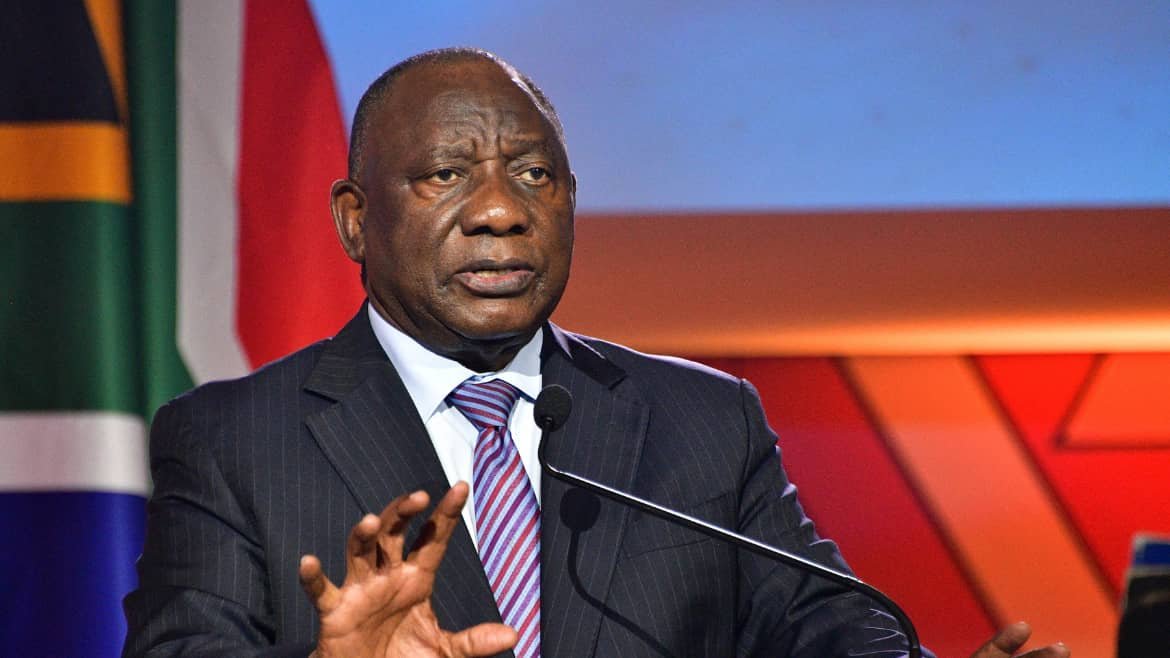
In a firm and carefully balanced Freedom Day address on April 27, 2026, South African President Cyril Ramaphosa delivered a national appeal for calm, warning that rising frustration over illegal immigration must not be allowed to spiral into violence against foreign nationals.
His remarks come at a time of mounting pressure within communities grappling with economic hardship, unemployment, and strained public services.
While acknowledging that concerns over undocumented migration are both real and legitimate, the president drew a clear line between lawful grievance and unlawful action. He cautioned that taking justice into one’s own hands undermines the rule of law and risks destabilizing communities already under pressure.
South Africa, long regarded as a regional economic hub, continues to attract migrants from across the continent seeking better opportunities. However, this movement has increasingly intersected with domestic socio-economic challenges, fueling tensions in urban and peri-urban areas. Analysts argue that migration has become a convenient focal point for deeper structural frustrations, including inequality and limited access to resources.
The issue is not unique to South Africa. Across the globe, governments are navigating the complex balance between border control and human rights. Migration flows, driven by conflict, climate change, and economic disparity, have placed pressure on national systems and, in some cases, intensified political divisions. Within this broader context, South Africa’s internal debate reflects a global struggle over identity, security, and inclusion.
Also Read; Tanzania Pushes Green Mineral Industrialisation Drive
The president’s message emphasized that social cohesion cannot be sacrificed in the pursuit of order. He called for strengthened institutions and more effective immigration management systems, but equally stressed the importance of preserving the country’s constitutional values. Observers note that this dual approach—combining enforcement with empathy—will be critical in preventing further escalation.
Recent incidents of intimidation and violence targeting foreign nationals have drawn concern from regional partners and human rights advocates. Such developments risk undermining South Africa’s diplomatic standing and its historical role as a proponent of African unity. The legacy of solidarity that defined the continent’s liberation struggles remains a powerful reference point in shaping expectations of leadership today.
Experts suggest that addressing the root causes of tension will require more than policy adjustments. Long-term solutions are likely to depend on economic reform, job creation, and community-level engagement aimed at reducing misinformation and fostering dialogue. Without these measures, there is a risk that cycles of blame and retaliation could persist.