MWE Correspondent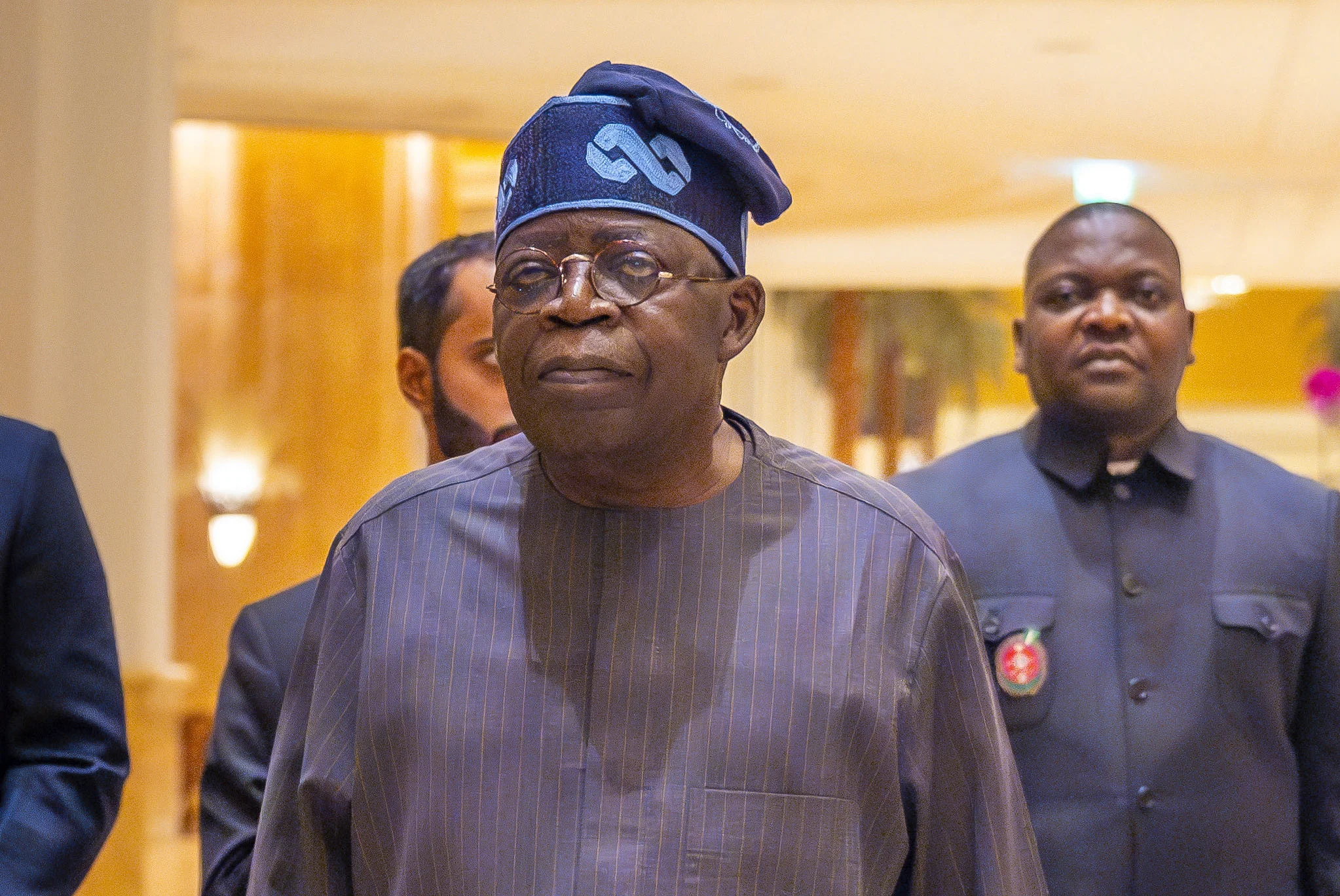
Nigeria has begun a rare and closely watched military court process involving 36 officers accused of allegedly plotting to overthrow President Bola Tinubu, in a case that has stirred concern within the country’s security establishment and beyond.
The proceedings were formally launched as a special court-martial by the Nigerian Armed Forces, which say the move is aimed at addressing serious allegations of indiscipline and threats to constitutional order within the military ranks.
While officials have released limited details, defence sources say the officers were arrested following internal intelligence reports suggesting coordinated discussions and planning linked to an alleged coup attempt. The suspects reportedly include officers from different units and ranks within the armed forces.
For many Nigerians, the case touches a sensitive part of the country’s history. Nigeria has experienced multiple military takeovers in the past, before returning to civilian rule in 1999. Because of that history, any suggestion of a coup plot immediately raises national concern and public attention.
Inside military circles, the case is being treated as a matter of internal discipline as well as national security. Authorities have emphasized that the accused officers will be tried under the Armed Forces Act, which governs military justice and allows for internal trials in cases involving serious offences such as mutiny or treason.
Although the identities of all 36 officers have not been made public, officials say the decision to hold a coordinated trial reflects the seriousness of the allegations and the need to maintain order within the ranks.
The development comes at a time when Nigeria is already facing multiple security pressures, including armed insurgency in the northeast, bandit attacks in the northwest, and rising tensions in some other regions. In this environment, stability within the armed forces is seen as critical.
Also Read; African Trade Integration Gains Momentum Across Regions
Security analysts say the establishment of a dedicated court-martial for such a large number of officers is unusual and signals how seriously the military views the allegations. One analyst described it as “a test of internal discipline at a time when national security demands unity within the armed forces.”
However, the case has also raised questions about transparency and fairness. Human rights observers are urging authorities to ensure that the trial is conducted in line with due process, stressing that even in military courts, accused persons are entitled to clear charges and a fair hearing.
Military officials have responded that the process will follow established legal procedures, though some aspects may remain closed to the public due to security concerns.
In Abuja, the atmosphere around the case is one of caution rather than panic. While there is no public evidence of instability, the scale of the investigation has drawn attention from both domestic and international observers.
For many Nigerians, the unfolding case is a reminder of the country’s complex security journey — one marked by democratic progress on one hand, and ongoing internal and external security challenges on the other.