MWE Correspondent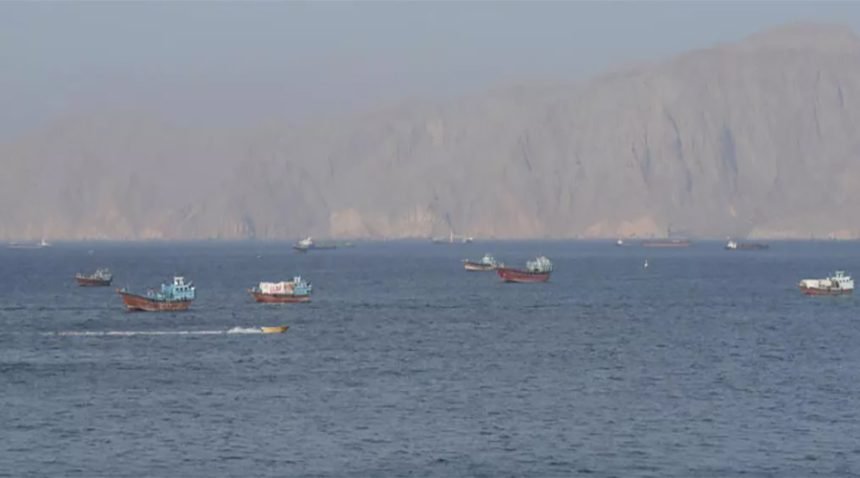
Iran has formally begun collecting transit fees from vessels passing through the strategically critical Strait of Hormuz, marking a significant shift in regional maritime policy with potential global economic implications.
According to statements broadcast on state television by a senior parliamentary official, the revenue generated from these fees is now being deposited directly into accounts managed by the Central Bank of Iran. The move signals a coordinated effort by Iranian authorities to institutionalize control over one of the world’s most vital oil transit routes.
The Strait of Hormuz serves as a narrow maritime corridor connecting the Persian Gulf to global markets, with a substantial portion of the world’s oil and gas shipments passing through it daily. Any policy changes affecting access or cost structures in this waterway are closely watched by international markets, energy companies, and governments.
Iranian officials have clarified that the transit fees apply only to vessels that have received prior authorization to pass through the strait. Payments, described as charges for “security services,” must be made in cash, a requirement that has already raised concerns among international shipping operators and financial regulators.
The fee structure is reportedly variable, determined by factors such as the type of cargo, the volume being transported, and an assessment of associated risk levels. This flexible pricing mechanism suggests a system designed to maximize revenue while maintaining a degree of operational control over maritime traffic.
Analysts say the move represents more than a financial measure. It is widely viewed as a strategic assertion of sovereignty and leverage by Iran, particularly amid ongoing geopolitical tensions in the region. By formalizing transit fees, Tehran may be seeking to reinforce its influence over a critical global supply route.
The decision comes at a time of heightened uncertainty in global energy markets. Recent geopolitical tensions have already exposed vulnerabilities in supply chains, and additional costs or restrictions in the Strait of Hormuz could contribute to increased oil prices and shipping insurance premiums.
International maritime stakeholders have expressed concern over the implications of the policy. Shipping companies may face higher operational costs, logistical delays, and increased regulatory complexity. Some may be forced to reassess routes or pass additional costs onto consumers, potentially impacting global trade.
Also Read; Africa Expands Trade Links as Regional Integration Accelerates
Legal experts have also raised questions about the compatibility of the policy with international maritime law. The Strait of Hormuz is widely regarded as an international waterway, where transit passage is generally protected under established conventions. Any attempt to impose mandatory fees could trigger legal and diplomatic challenges.
At the same time, Iran maintains that the fees are justified as compensation for ensuring safe passage through a region that has experienced periodic security incidents. Officials argue that maintaining maritime security requires resources, and that vessels benefiting from such services should contribute financially.
The broader geopolitical context cannot be ignored. The move is likely to be interpreted as part of Iran’s broader strategy to respond to external pressures while asserting control over key economic levers. It may also influence ongoing diplomatic engagements and regional security dynamics.
For global markets, the development introduces a new layer of uncertainty. Energy analysts warn that even modest disruptions or additional costs in the Strait of Hormuz can have outsized effects, given the volume of trade that depends on uninterrupted passage.
As the policy takes effect, attention will turn to how major shipping nations, energy importers, and international bodies respond. The situation is expected to evolve rapidly, with potential implications for global trade, energy security, and geopolitical stability.