MWE Correspondent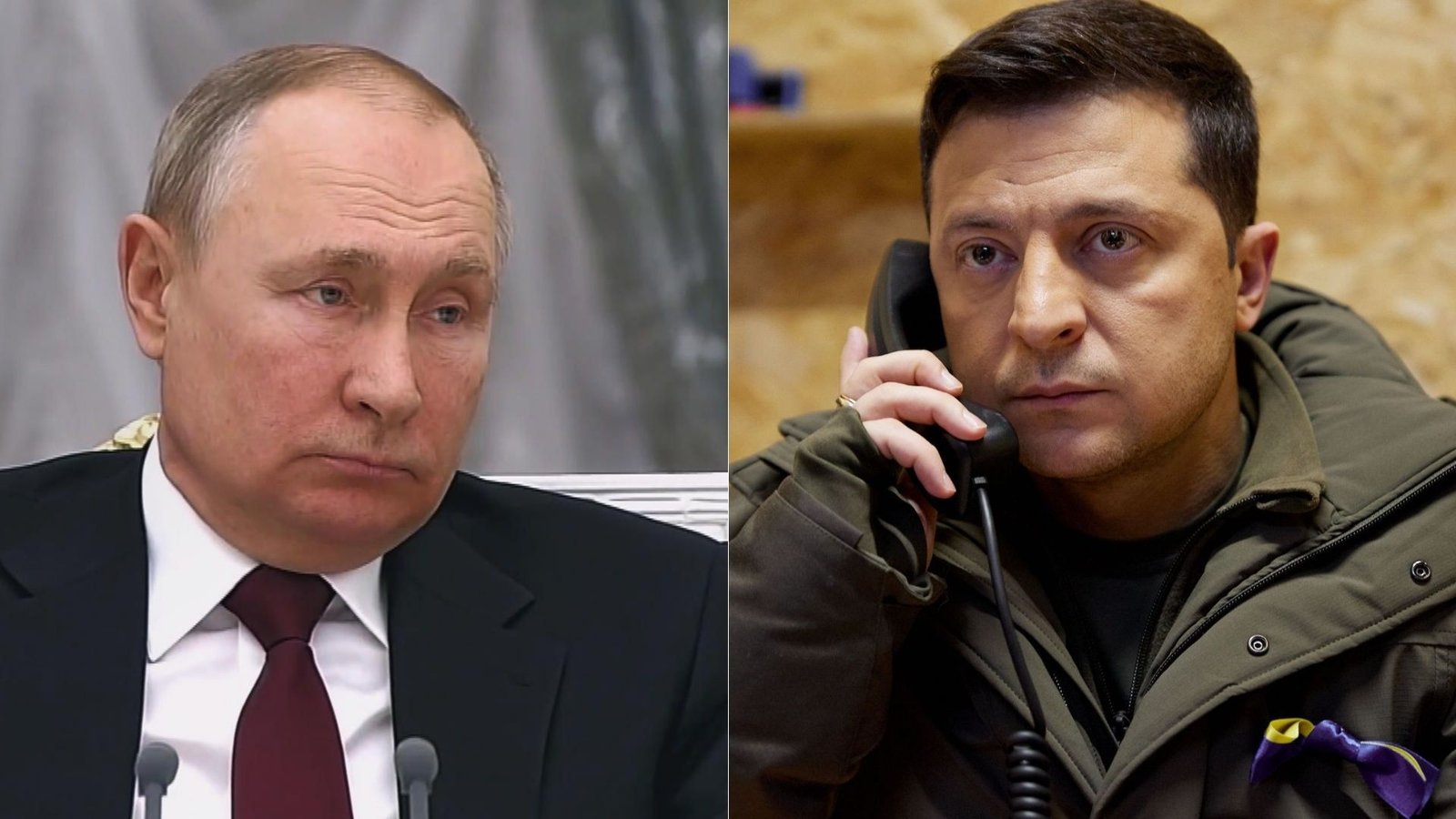
Fresh diplomatic engagement suggests a continued effort to maintain stability between Russia and , Ukraine even as underlying tensions remain part of the broader landscape.
While there are no major public breakthroughs, the tone of communication reflects a preference for managing risks rather than escalating them.
This is not resolution.
It is careful management.
Communication channels remain active, allowing both sides to navigate complex issues while avoiding sudden disruptions. In situations like this, sustained dialogue often plays a more critical role than rapid agreements.
This process is closely linked to diplomatic negotiation.
Negotiation is built on incremental progress — small steps that help maintain balance while creating space for longer-term solutions. The current approach reflects a focus on stability through continuity.
There is also a broader international interest in maintaining a predictable environment.
Economic systems, energy flows, and regional security dynamics are all influenced by how tensions are managed. Stability in this context supports wider confidence across multiple sectors.
This connects to geopolitical stability.
When tensions are controlled, it reduces uncertainty and allows economic and political systems to function more smoothly. Even limited progress can have meaningful effects in maintaining balance.
Economic considerations also remain important.
Both countries are linked to broader trade and financial systems where disruptions can extend beyond regional boundaries. Maintaining a steady environment helps reduce unintended consequences in these areas.
That is where conflict management becomes essential.
Conflict management focuses on preventing escalation, controlling risks, and maintaining stability over time. It does not depend on immediate agreement, but on consistent and strategic engagement.
The current situation reflects a delicate balance.
Each side continues to protect its interests while also showing awareness of the importance of avoiding wider disruption. This balance may not be highly visible, but it plays a key role in maintaining overall stability.
Progress, in this context, is gradual.
Small developments, ongoing communication, and steady engagement all contribute to creating conditions where longer-term outcomes can eventually emerge.
The key takeaway is clear.
The situation is not being ignored.
It is being managed carefully.
And in an environment where escalation carries wide consequences, steady dialogue remains one of the most important tools for maintaining stability.