MWE Correspondent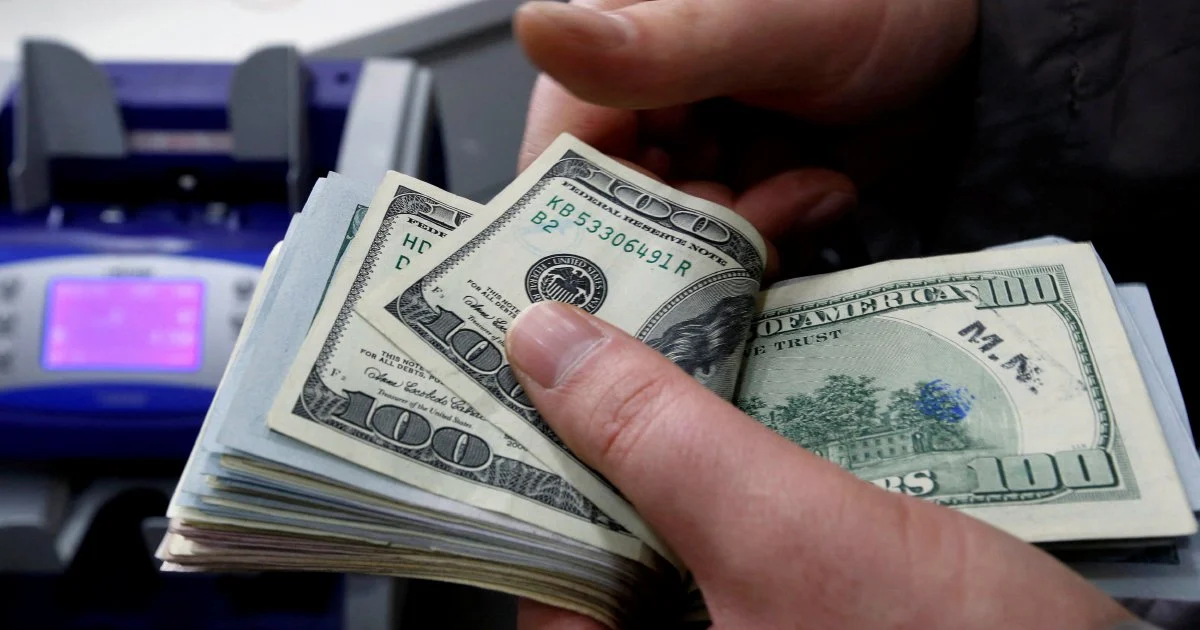
A gradual but meaningful shift is unfolding in the financial system as more economies explore alternatives to reduce heavy reliance on the United States dollar. The movement is not sudden, but its direction is becoming increasingly clear.
This is not about replacing the dollar.
It is about creating flexibility.
For decades, the dollar has dominated trade settlements, reserves, and financial transactions. Its strength is supported by deep markets and long-standing trust. However, changing economic conditions are encouraging countries to diversify how they manage currency exposure.
This is where dollarization becomes a key topic.
In systems heavily tied to the dollar, external policy decisions can have direct effects on domestic economies. This has led some countries to reconsider how much dependence is sustainable over the long term.
One of the most visible responses is the use of local currencies in trade.
Bilateral agreements are allowing countries to settle transactions without converting into dollars. This reduces exchange rate risk and strengthens financial independence. While still developing, this approach is gaining traction.
This trend connects closely to currency diversification.
Diversifying currency usage helps spread financial risk and improve resilience. It also creates new pathways for trade and investment, particularly within regional partnerships.
Also Read; Dollar Grip Faces Quiet Challenge From Rising Alternatives
Central banks are also adjusting their strategies.
Reserve portfolios are being rebalanced to include a wider mix of assets, including gold and alternative currencies. These decisions are gradual, but they reflect a broader effort to strengthen financial stability.
This brings attention to foreign exchange reserves.
Reserves act as a financial buffer, helping countries manage economic shocks and maintain currency stability. Diversification within these reserves enhances flexibility and reduces vulnerability to external pressures.
At the same time, the dollar remains deeply embedded in the system.
Its liquidity, stability, and global acceptance continue to make it a central component of international finance. This is why the current shift is evolutionary rather than disruptive.
However, even gradual change has impact.
As more countries adopt alternative arrangements, the financial system becomes more distributed. This can influence trade patterns, investment flows, and long-term economic strategies.
For businesses, this introduces new dynamics.
Operating across multiple currencies requires more sophisticated financial planning and risk management. Companies must adapt to a more complex but also more flexible system.
For investors, it opens new perspectives.
Understanding currency trends, reserve strategies, and regional financial cooperation becomes increasingly important in navigating future opportunities.
The key takeaway is clear.
The dollar is not losing control overnight.
But the system around it is slowly adjusting.
And in that adjustment, a more balanced financial landscape is beginning to emerge.