MWE Correspondent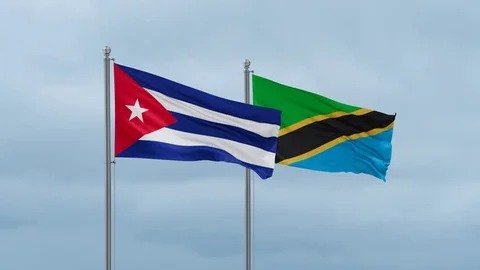
Cuba has called on Tanzanian media to take a more assertive role in influencing global narratives, warning that perspectives from the Global South continue to be sidelined amid growing geopolitical tensions and mounting economic challenges.
Speaking in Dar es Salaam during a recent engagement with journalists, Cuba’s ambassador to Tanzania, Yordenis Despaigne Vera, stressed the importance of strengthening relationships with local media institutions. He argued that such partnerships are essential in presenting balanced and authentic stories about developing nations.
“In a world where dominant international media platforms often shape the global agenda, it becomes increasingly important for countries like ours to engage directly with local media,” he said. “This ensures that our realities are not filtered or misrepresented.”
His remarks come at a time when Cuba is facing renewed economic pressure linked to its long-standing tensions with the United States. Havana has recently accused Washington of intensifying its economic restrictions, including measures targeting fuel supply chains and discouraging third-party trade partnerships.
Cuban officials say the latest actions, introduced under former U.S. President Donald Trump, have expanded the reach of the decades-old embargo. A recent executive directive reportedly aims to penalize countries and companies involved in supplying oil to Cuba, a move Havana argues is deepening its economic strain and limiting access to essential resources.
The ambassador highlighted how global media coverage often overlooks the broader humanitarian and economic implications of such policies. He pointed to the growing influence of digital platforms, where algorithms and trending narratives can shape public perception, sometimes without full context.
Also Read; Trump Pauses Planned Strikes Following Iran Talks Progress
Media analysts in Tanzania note that the call from Cuba reflects a wider concern shared by many nations in the Global South. As information ecosystems evolve, there is increasing recognition of the need for diverse voices to counterbalance dominant narratives largely driven by Western media institutions.
The discussion also underscored the evolving role of journalism in an interconnected world. With audiences increasingly relying on online platforms for news, local media outlets are being encouraged to expand their reach and provide deeper context on international issues that directly or indirectly affect their regions.
For Tanzania, strengthening international media engagement could present an opportunity to amplify its own voice on the global stage while fostering stronger diplomatic and cultural ties with countries like Cuba.
As geopolitical tensions continue to shift and economic pressures mount, the role of independent and regionally grounded journalism is becoming more critical. Cuba’s message to Tanzanian media serves as a reminder that global narratives are not fixed—they are shaped by those who tell the stories.
The call for greater participation from the Global South is likely to resonate beyond Tanzania, as countries seek to redefine how their stories are told in an increasingly complex and competitive global information landscape.