MWE Correspondent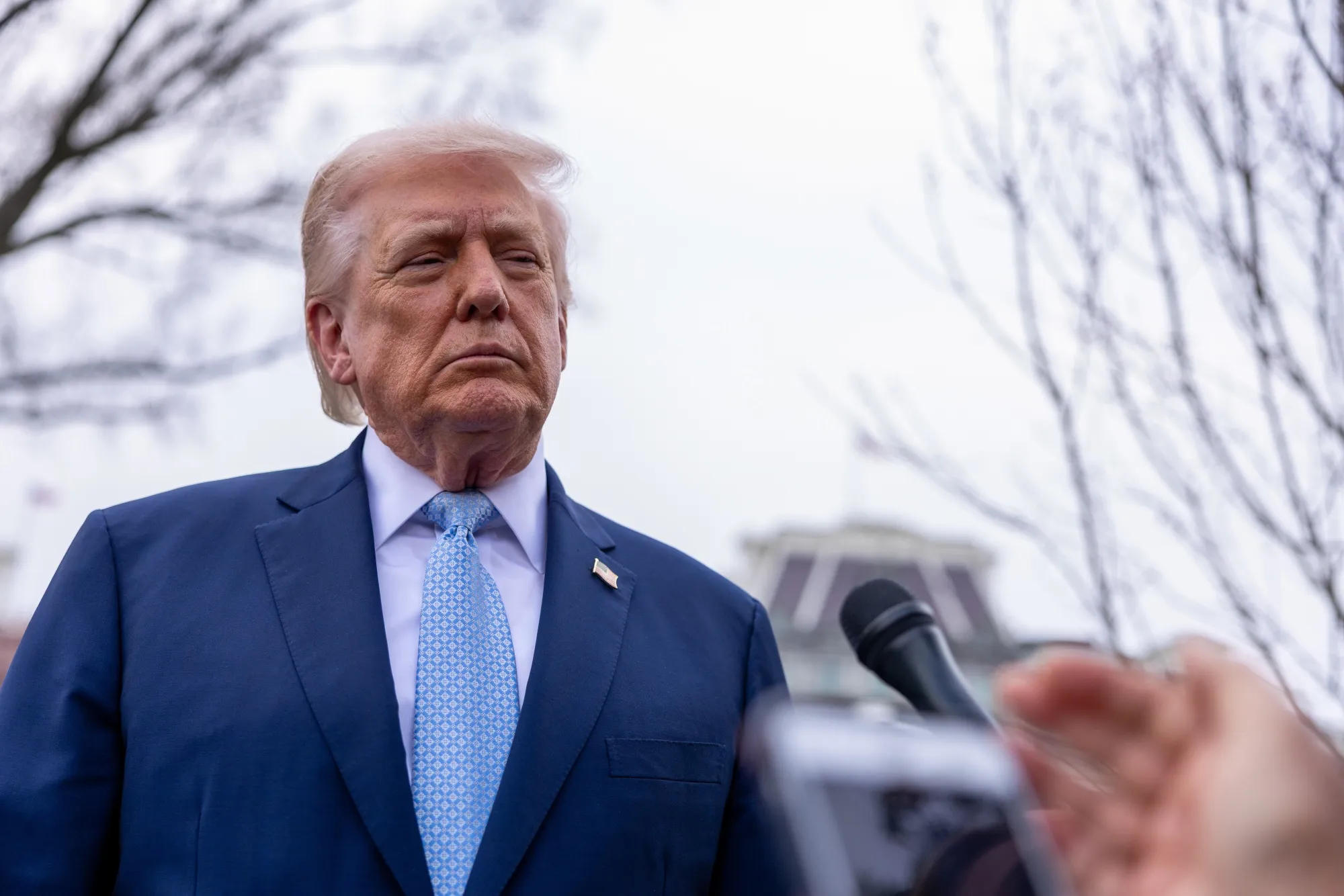
U.S. President Donald Trump has issued a stark ultimatum to Iran, warning that the United States could strike and “obliterate” Iranian power plants if Tehran does not reopen the strategically vital Strait of Hormuz within 48 hours.
The warning marks a sharp escalation in the ongoing conflict, as tensions between the United States, its ally Israel, and Iran continue to intensify. According to reports, the ultimatum was issued after disruptions to shipping in the Strait of Hormuz, a narrow but crucial waterway through which a significant portion of the world’s oil supply passes.
Trump’s statement underscores growing concern in Washington over the impact of the crisis on global energy markets. The partial closure of the strait has already led to rising oil prices and fears of wider economic consequences if the situation is not resolved quickly.
In his remarks, Trump warned that failure to comply with the demand would result in direct military action targeting Iran’s energy infrastructure. Analysts say such a move would represent a major escalation, potentially drawing the region into a broader and more dangerous confrontation.
Iran, however, has pushed back against the ultimatum, maintaining that it has not fully closed the strait but is restricting access to vessels linked to what it considers hostile nations. Iranian officials have also warned that any attack on their infrastructure would be met with retaliation against U.S. and allied assets in the region.
The Strait of Hormuz remains one of the world’s most critical energy chokepoints, with roughly a fifth of global oil shipments passing through it. Any prolonged disruption is likely to have far-reaching implications, not only for the Middle East but also for global trade and energy security.
Meanwhile, the conflict — now entering its third week — has already resulted in significant casualties and damage to infrastructure on multiple sides. Reports indicate that military strikes have targeted key sites in Iran, while Tehran has launched retaliatory attacks, further escalating the crisis.
International leaders have expressed growing concern, urging restraint and calling for renewed diplomatic efforts to prevent further escalation. However, Trump’s latest warning suggests that the window for negotiation may be narrowing.
Security analysts caution that targeting critical infrastructure such as power plants could have severe humanitarian and environmental consequences, in addition to intensifying military retaliation.
As the 48-hour deadline approaches, global attention is now focused on whether Iran will alter its position or whether the situation will escalate into a wider regional conflict with global repercussions.