MWE Correspondent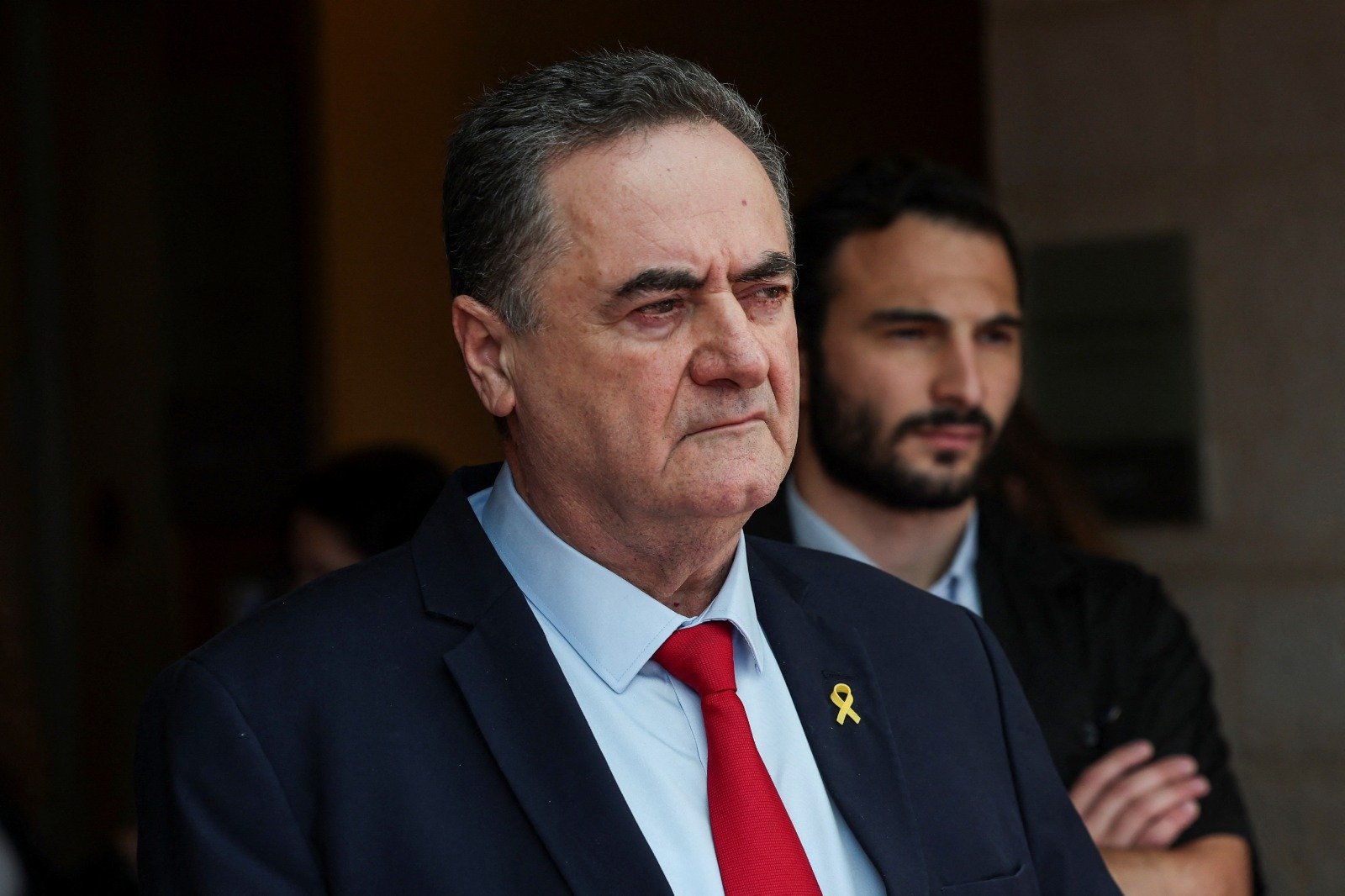
A fresh wave of uncertainty has gripped the Middle East following claims by Israel Katz that Iran’s intelligence chief, Esmail Khatib, was killed in a targeted overnight operation.
The statement, delivered amid rising tensions, underscores the increasingly volatile dynamics shaping the region’s geopolitical landscape.
According to Katz, the alleged strike forms part of a broader and ongoing campaign aimed at weakening Iran’s leadership structure. While such assertions signal a significant escalation, officials in Iran have neither confirmed nor denied the report, leaving analysts and observers navigating a fog of uncertainty.
The absence of verification has not stopped the story from reverberating across diplomatic and security circles. In modern conflict environments, information itself has become a strategic tool—used not only to report events but also to influence perception, morale, and international response. As a result, claims like these often carry weight beyond their immediate factual basis.
This development reflects a broader pattern in what experts increasingly describe as a “shadow war” between regional rivals. Unlike conventional warfare, such conflicts unfold through covert operations, cyber activities, intelligence maneuvers, and limited strikes designed to avoid full-scale confrontation while still achieving strategic objectives.
At the center of this evolving struggle lies a complex web of interests—security concerns, regional influence, and long-standing ideological divides. Over the years, tensions between Israel and Iran have been shaped by competing visions of regional order, with each side seeking to expand its sphere of influence while countering the other’s ambitions.
The alleged targeting of a high-ranking intelligence official, if confirmed, would mark a significant moment in this ongoing rivalry. Intelligence leaders play a critical role in shaping national security policy, overseeing covert operations, and coordinating responses to external threats. Their removal can disrupt internal systems and send a powerful signal to adversaries.
Also Read; “Africa’s Time Is Coming, And The World Knows”
However, such actions also carry risks. Escalatory moves, particularly those involving senior figures, can provoke retaliatory responses and deepen instability across an already fragile region. Neighboring countries, many of which are closely tied to global energy markets, remain acutely sensitive to any developments that could disrupt economic or security balances.
Beyond the immediate political implications, the situation also highlights a deeper transformation in the nature of global conflict. Today’s confrontations are rarely confined to battlefields. Instead, they unfold across multiple domains—information, economics, diplomacy, and covert action—creating a complex and often unpredictable environment.
Historical parallels suggest that prolonged periods of indirect confrontation can either lead to negotiated settlements or spiral into broader crises. The direction often depends on the willingness of involved parties to engage in dialogue and de-escalation, even amid heightened tensions.
For now, the international community watches closely, awaiting confirmation or denial from Tehran while assessing the potential fallout of the claim. In a region where perception can quickly become reality, even unverified reports can influence decision-making at the highest levels.
What remains clear is that the Middle East stands at a delicate crossroads. Each development, whether confirmed or contested, adds another layer to an already intricate and high-stakes geopolitical narrative—one that continues to shape not only regional stability but also the broader contours of global security.