MWE Correspondent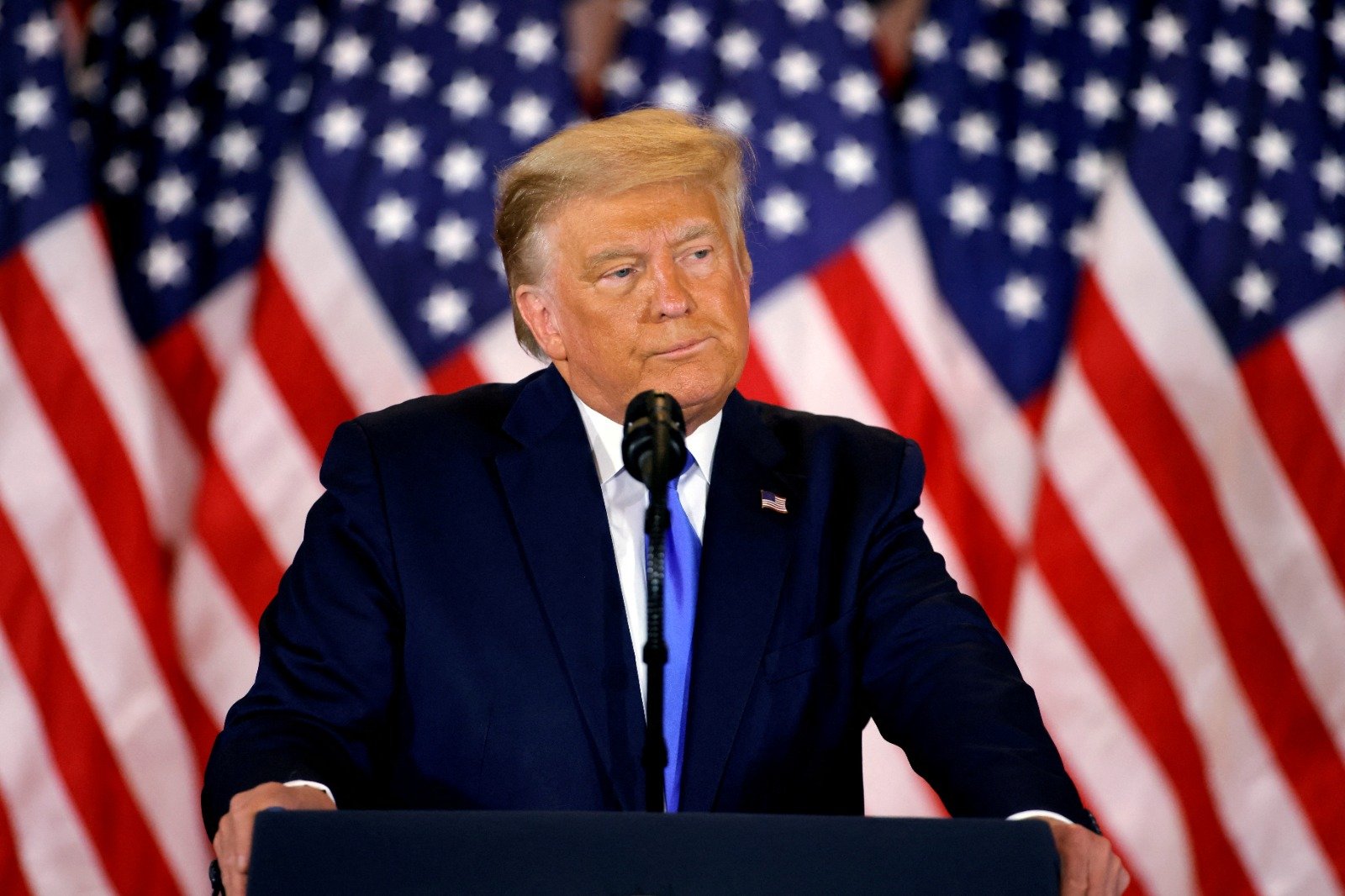
The United States is not prepared to reach a new agreement with Iran at this time, President Donald Trump said, indicating that negotiations between Washington and Tehran remain stalled as tensions continue to rise across the Middle East.
Speaking during remarks to reporters, Trump suggested that the conditions currently being proposed by Iran are not acceptable to the United States. He emphasized that Washington would only move forward with an agreement if it met what he described as “strong and balanced terms” designed to address long-standing security concerns.
“We are not ready to make a deal yet,” the president said, adding that negotiations could only progress if Iran showed greater willingness to compromise. His comments reflect the deep mistrust that continues to shape relations between the two countries.
The diplomatic standoff comes amid a period of renewed instability in the Middle East, where geopolitical tensions have intensified in recent months. Analysts say the disagreement between Washington and Tehran is not only about diplomacy but also about influence, security, and the future balance of power in the region.
At the center of the dispute is Iran’s nuclear program and the broader question of sanctions imposed by the United States. Washington has long insisted that any agreement must include strict limits and verification measures designed to prevent Iran from developing nuclear weapons. Tehran, however, has repeatedly argued that its nuclear activities are peaceful and has called for the removal of economic sanctions before any comprehensive agreement can be finalized.
Negotiations between the two countries have taken place intermittently over the past several years, often through intermediaries in international diplomatic venues. According to reports, talks have focused on finding a framework that could replace earlier agreements and reduce tensions between the two longtime rivals.
Despite occasional signals of openness to dialogue from both sides, progress has remained slow. Iranian officials have previously stated that negotiations cannot take place under what they describe as political pressure or threats, while American leaders have insisted that Tehran must first demonstrate greater transparency regarding its nuclear activities.
The broader implications of the diplomatic impasse extend far beyond the two countries. The Middle East plays a crucial role in global energy markets and international security, meaning that any escalation between Washington and Tehran can quickly attract global attention.
Foreign policy experts note that public statements from political leaders often serve multiple purposes during negotiations. Strong rhetoric may be intended not only for international audiences but also for domestic political supporters and negotiating partners.
For now, however, the path toward a breakthrough remains uncertain. Trump’s latest remarks suggest that Washington is willing to continue discussions but is not prepared to accept conditions that it views as unfavorable.
Diplomats and regional observers say the coming months could prove critical. Whether the United States and Iran move closer to compromise or drift further apart will likely shape the political landscape of the Middle East and influence global diplomatic efforts aimed at reducing tensions in the region.