MWE Correspondent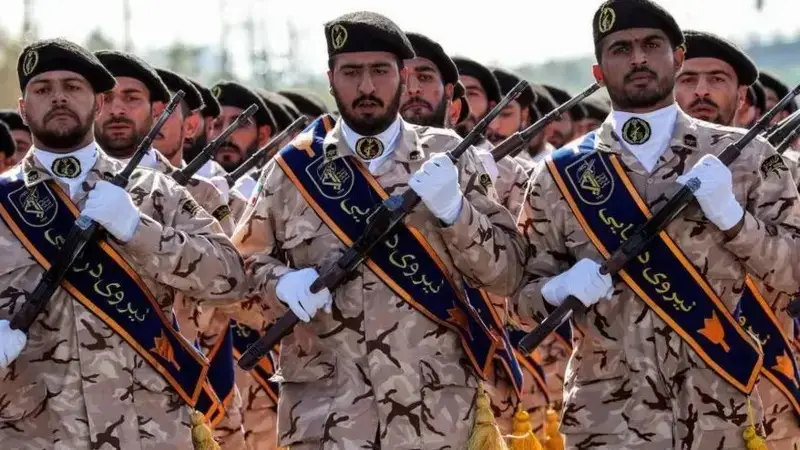
Tensions surrounding the escalating conflict in the Middle East deepened this week after Iran’s elite military force declared that it — not outside powers — will determine when the war comes to an end.
The statement from the Islamic Revolutionary Guard Corps (IRGC) came in response to remarks by Donald Trump, who recently suggested that the war involving Iran could end “very soon.” Iranian military leaders rejected that assessment, signaling that Tehran intends to dictate the timing and outcome of the conflict.
In a strongly worded message carried by international media, the IRGC warned that Iran would not accept continued attacks by the United States and Israel without consequences. The military force said Iran possesses the capability to respond in ways that could significantly affect regional stability and global economic interests.
One of the most striking warnings concerned global energy shipments. Iranian officials said that if the attacks on the country continue, Tehran could prevent oil exports from leaving the region altogether. According to the statement, Iran would not allow “even a single litre of oil” to pass through nearby waters if hostilities intensify.
Such a move would place enormous pressure on the global economy because of the strategic importance of the Strait of Hormuz, a narrow shipping corridor linking the Persian Gulf to international waters. The waterway is widely regarded as one of the most critical chokepoints in global energy supply.
Each day, millions of barrels of crude oil and petroleum products travel through the Strait of Hormuz on their way to markets in Asia, Europe and other regions. Experts estimate that roughly one-fifth of the world’s oil trade passes through the route, making any disruption there a major concern for governments and financial markets.
Even the possibility of interference in the strait has already influenced global oil prices. Markets have experienced fluctuations in recent days as investors weigh the risk that the conflict could expand into the vital shipping lane.
Security analysts say Iran has long viewed the Strait of Hormuz as a strategic lever in times of confrontation. The country’s geographic position along the northern edge of the strait gives it the ability to threaten maritime traffic if tensions with global powers escalate.
Also Read; Trump Warns Iran Over Future Supreme Leader Choice
The broader conflict has heightened fears of a wider regional war. Military exchanges, drone strikes and retaliatory attacks have continued in several areas of the Middle East, raising concerns that additional actors could become involved.
Diplomatic efforts to reduce tensions are ongoing, but progress has been slow as both sides maintain firm positions. While some world leaders are urging restraint and dialogue, others continue to emphasize security concerns and strategic interests in the region.
For many analysts, the current standoff illustrates how quickly geopolitical disputes in the Middle East can influence global economic stability. Energy markets, shipping routes and international diplomacy are all closely linked to the outcome of the confrontation.
Iran’s latest statement suggests that Tehran is prepared for a prolonged struggle if necessary. By declaring that it will decide when the war ends, the IRGC appears determined to project strength and resilience despite growing international pressure.