MWE Correspondent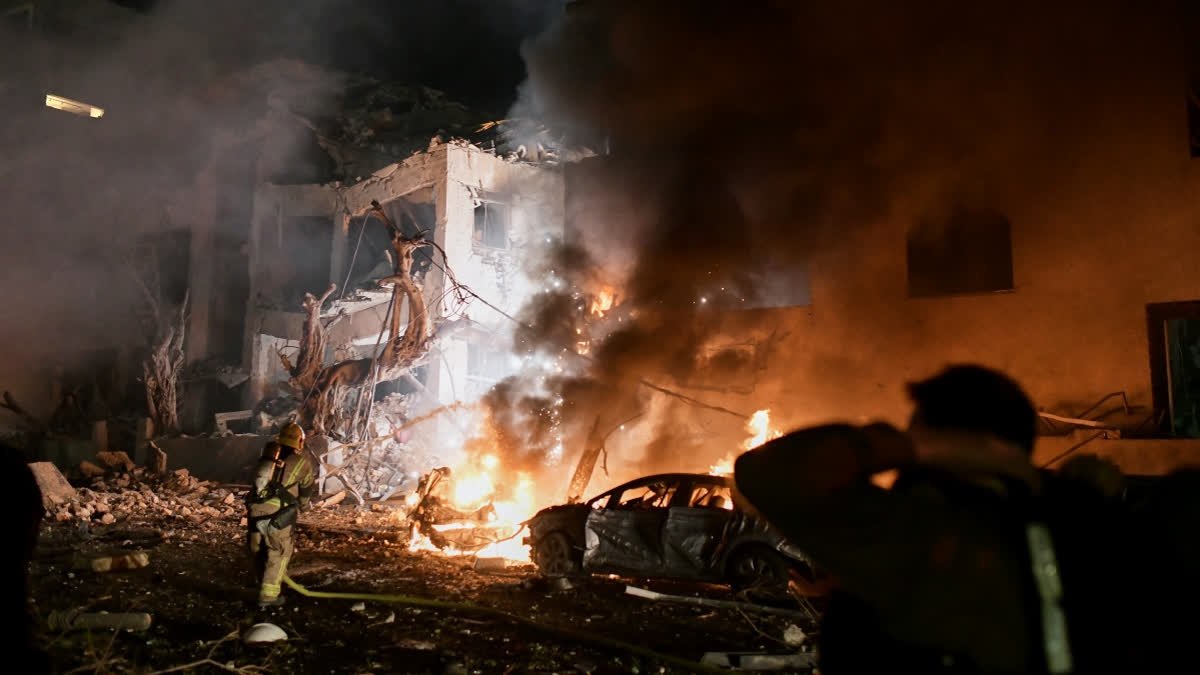
The Middle East is facing one of its most volatile moments in decades following reports that Iran’s Supreme Leader, Ayatollah Ali Khamenei, has been killed in coordinated strikes involving the United States and Israel.
The development, confirmed by Iranian state media, marks a dramatic turning point in a long-running confrontation that has shaped regional politics for more than forty years.
Khamenei, who had led Iran since 1989, was widely regarded as the most powerful authority in the Islamic Republic. As Supreme Leader, he held ultimate control over the armed forces, judiciary, and key policy decisions. His leadership defined Iran’s domestic governance and foreign policy posture for nearly four decades, steering the country through sanctions, regional conflicts, and internal unrest.
Earlier, U.S. President Donald_Trump said the strikes were aimed at neutralizing what he described as a serious and growing threat from Tehran. In a recorded message, he claimed the operation was intended to protect American citizens and prevent further escalation linked to Iran’s military and nuclear ambitions.
The strikes reportedly targeted strategic facilities in Tehran and other locations believed to be connected to Iran’s defense infrastructure. While full operational details remain limited, the announcement of Khamenei’s death has triggered immediate political shockwaves across the region.
Iran’s leadership has vowed retaliation. Military officials signaled that any attack on its sovereignty would be met with a strong response, raising concerns about a wider regional conflict. Tensions have already been high due to longstanding disputes over Iran’s nuclear activities and its alliances across the Middle East.
At the heart of the dispute has been Iran’s nuclear program, officially known as the Iran nuclear program. Tehran has consistently stated that its nuclear activities are peaceful and focused on energy production and research. However, critics argue that uranium enrichment efforts could potentially shorten the pathway to weapons capability, a concern that has fueled years of sanctions and negotiations.
Khamenei had frequently described nuclear weapons as religiously forbidden while simultaneously defending Iran’s right to technological advancement. The issue remained central to diplomatic tensions between Tehran and Western governments, especially Washington.
Beyond the nuclear debate, Khamenei’s influence extended to regional partnerships. Iran has maintained close ties with groups such as Hezbollah in Lebanon, positioning itself as a key player in Middle Eastern geopolitics. Supporters of Iran’s strategy argue that these alliances serve as deterrence against external threats, while critics see them as contributing to instability.
The death of such a central figure leaves major questions unanswered. Iran’s constitution provides that the Assembly of Experts is responsible for selecting a new Supreme Leader. However, the timing and political dynamics of any succession process remain uncertain. The transition could reshape Iran’s domestic political balance and alter its approach to international relations.
Global reaction has been swift. Governments across Europe and Asia have urged restraint, warning that further escalation could disrupt energy markets and deepen instability in an already fragile region. Analysts note that the Middle East has often experienced ripple effects from sudden leadership changes, and this moment could prove especially significant.
Within Iran, the atmosphere is tense. State media has reported official mourning measures, while security forces remain on heightened alert. At the same time, observers suggest that internal political factions may quietly maneuver for influence in anticipation of leadership changes.
For decades, Ayatollah Ali Khamenei symbolized continuity within Iran’s revolutionary system. Whether viewed as a stabilizing authority or a strict guardian of centralized power, his leadership shaped modern Iran in profound ways. His reported death now ushers in an uncertain chapter — not only for Tehran, but for the broader geopolitical landscape.
As events continue to unfold, the world watches closely. The coming days will likely determine whether this moment leads to deeper confrontation or opens a narrow path toward recalibrated diplomacy in one of the world’s most strategically sensitive regions.