MWE Correspondent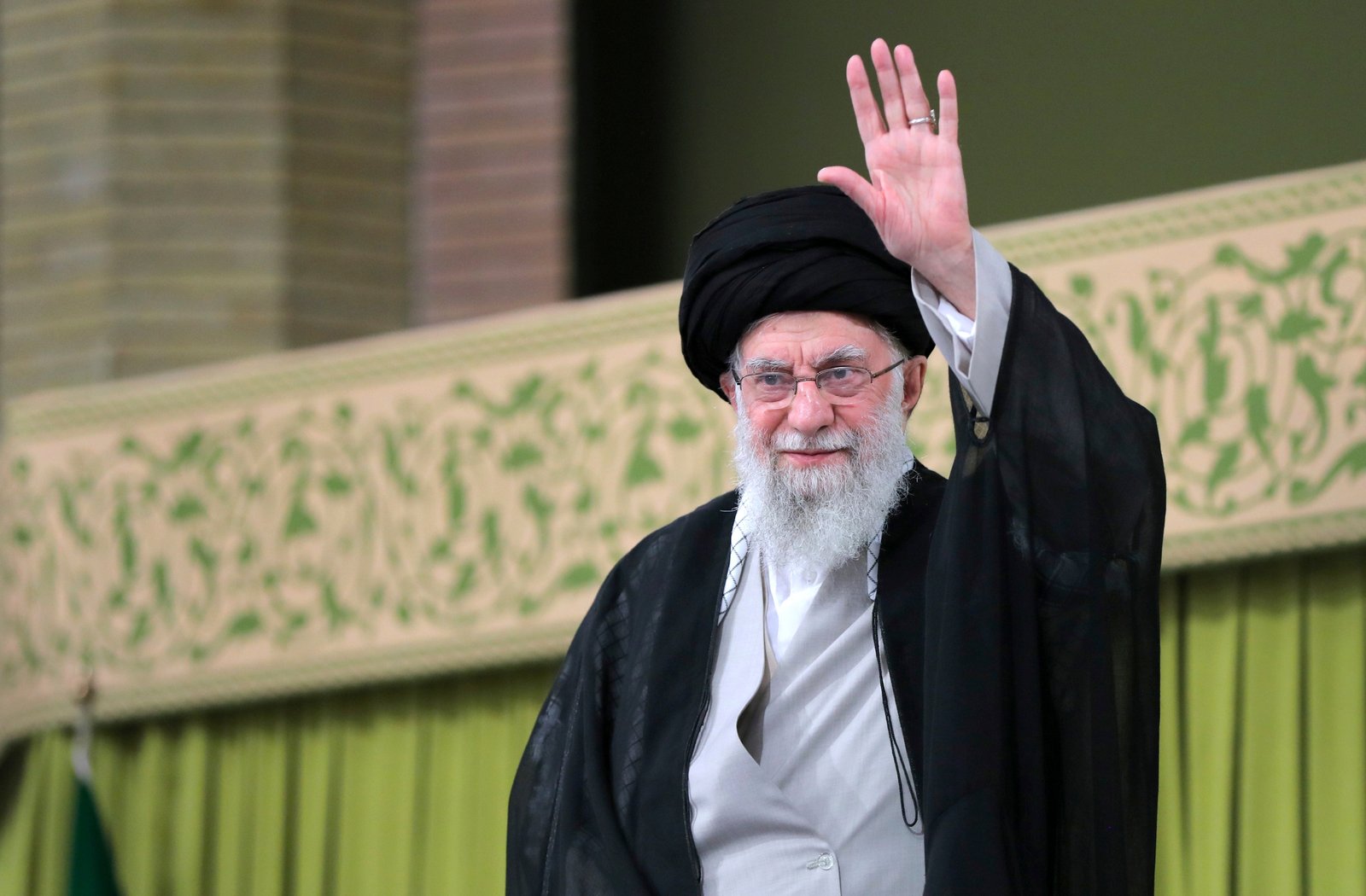
Tensions in the Middle East have escalated sharply after Iran warned that its response to a recent military strike by the United States and Israel will be “crushing.”
Iranian officials say they are preparing for retaliation, signaling a possible intensification of conflict in the region.
The joint U.S.–Israel operation targeted strategic sites in Tehran, including locations near government offices and key leadership facilities. Explosions were reported across the Iranian capital, prompting authorities to shut down mobile networks and temporarily close airspace. The strike comes amid ongoing concerns over Iran’s nuclear program and regional security dynamics.
In response, senior Iranian leaders, including former commanders of the Islamic Revolutionary Guard Corps, warned that the country is ready to deliver a decisive and overwhelming reaction to any further acts of aggression. Tehran insists that any retaliation would be a legitimate defense of its sovereignty under international law.
This latest development follows a series of failed diplomatic efforts to resolve tensions over Iran’s nuclear program. The United States has positioned naval strike groups in the region and issued travel warnings to its citizens nearby, emphasizing the potential risks of escalation. Analysts note that Iran’s warning could reflect either a measured military posture or preparations for broader action, depending on how events unfold.
The situation recalls previous confrontations between Iran and its adversaries, including the June 2025 Israeli strikes on Iranian nuclear sites, which drew international attention and highlighted the persistent risk of wider regional conflict. Experts warn that the use of strong rhetoric by both sides increases the possibility of miscalculation, making diplomacy all the more urgent.
The unfolding crisis underscores longstanding friction in Iran–United States relations, shaped by decades of mistrust, strategic competition, and cycles of limited diplomacy. With tensions remaining high, the coming days may prove critical in determining whether this confrontation can be contained or whether it escalates into a larger regional crisis.