Joseph Isangura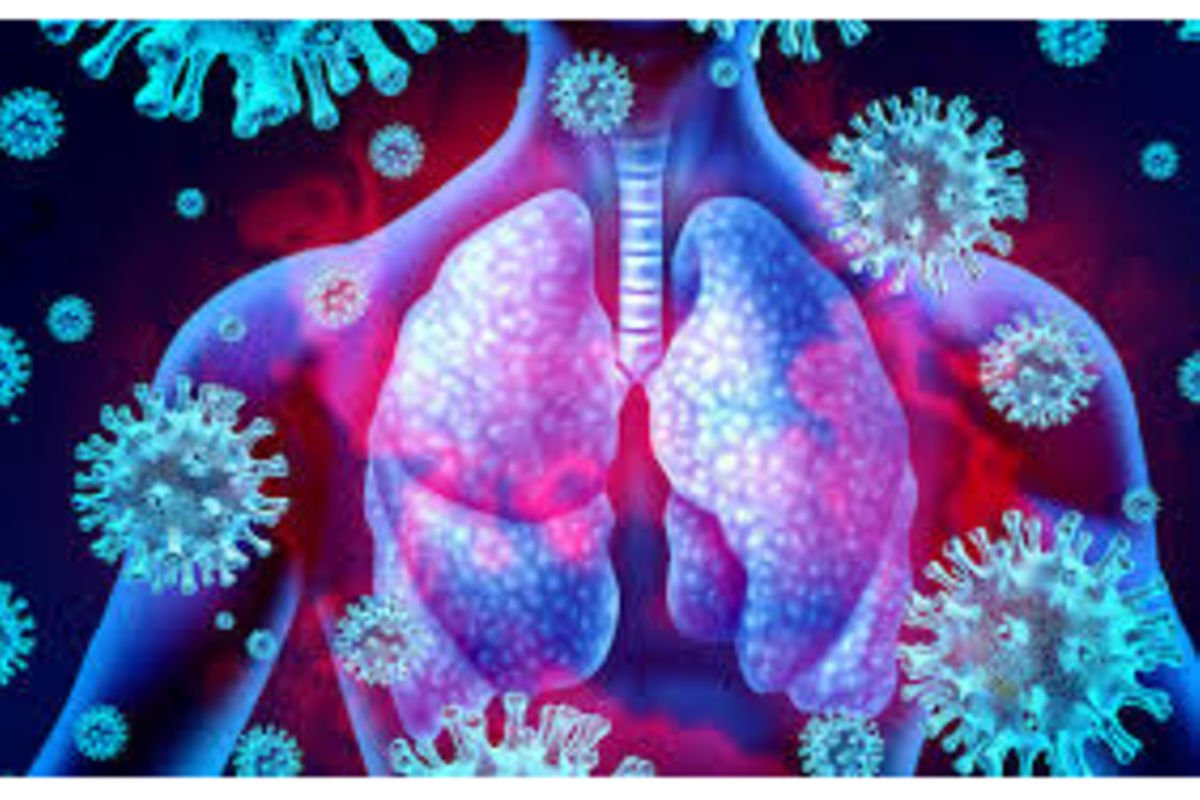
The government of Tanzania has issued a renewed public health alert following an increase in seasonal respiratory infections and ongoing regional risks linked to infectious disease outbreaks, urging citizens to remain vigilant and maintain preventive measures to protect public health.
In an official public statement released in the capital, health authorities confirmed that the country has recently observed a rise in cases of influenza-like illnesses and other contagious conditions that typically intensify during the rainy season and periods of changing weather patterns. Officials said such trends are consistent with global seasonal cycles but warned that continued caution is necessary to prevent wider transmission.
The government emphasized that respiratory infections, including influenza and other airborne illnesses, spread primarily through droplets expelled when infected individuals cough, sneeze, or speak. Transmission can also occur when people come into contact with contaminated surfaces and then touch their eyes, nose, or mouth.
Health experts say that although most cases remain manageable, vulnerable populations—including children, the elderly, and people with weakened immune systems—face a higher risk of severe complications. As a result, authorities are encouraging early medical consultation for individuals experiencing symptoms such as high fever, persistent cough, body aches, and breathing difficulties.
The statement was issued under the authority of Chief Government Medical Officer Grace E. Magembe, who reassured the public that Tanzania’s health system remains prepared to respond effectively. She noted that surveillance systems are actively monitoring disease patterns across regions to ensure rapid detection and response if necessary.
“Our priority is to safeguard the health of all citizens by strengthening prevention, early detection, and treatment capacity,” the statement said. “Public cooperation remains essential in maintaining national health security.”
In addition to respiratory illnesses, officials also expressed concern about mosquito-borne diseases such as dengue fever, which tend to increase during rainy periods when stagnant water creates favorable breeding conditions for mosquitoes. Communities have been urged to maintain clean surroundings, eliminate standing water, and seek immediate care if symptoms such as sudden fever, severe headache, and joint pain develop.
The government credited recent progress in controlling previous outbreaks of waterborne diseases to coordinated national and community-level efforts, including improved sanitation, public awareness campaigns, and rapid medical interventions. However, officials cautioned that regional outbreaks in neighboring countries mean the threat has not been fully eliminated.
Also Read; Africa Becomes Battleground for Critical Resource Race
The public health advisory aligns with broader international guidance issued by the World Health Organization, which has consistently warned that seasonal disease surges remain a recurring global challenge, particularly in developing regions with high population mobility and changing climate conditions.
Authorities also emphasized that maintaining public hygiene remains one of the most effective defenses against infectious disease. Frequent handwashing, respiratory etiquette, and seeking prompt medical care when symptoms appear were highlighted as critical steps in preventing further spread.
Despite the concerns, officials stressed that there is no cause for panic, noting that Tanzania has significantly strengthened its healthcare preparedness in recent years through investments in medical infrastructure, disease surveillance, and emergency response systems.
As the rainy season continues, health leaders say the country’s success in limiting outbreaks will depend not only on government readiness but also on the collective responsibility of citizens to follow public health guidance.
The government said it will continue to provide regular updates as new information becomes available, underscoring its commitment to transparency and public safety in managing evolving health risks.