MWE Correspondent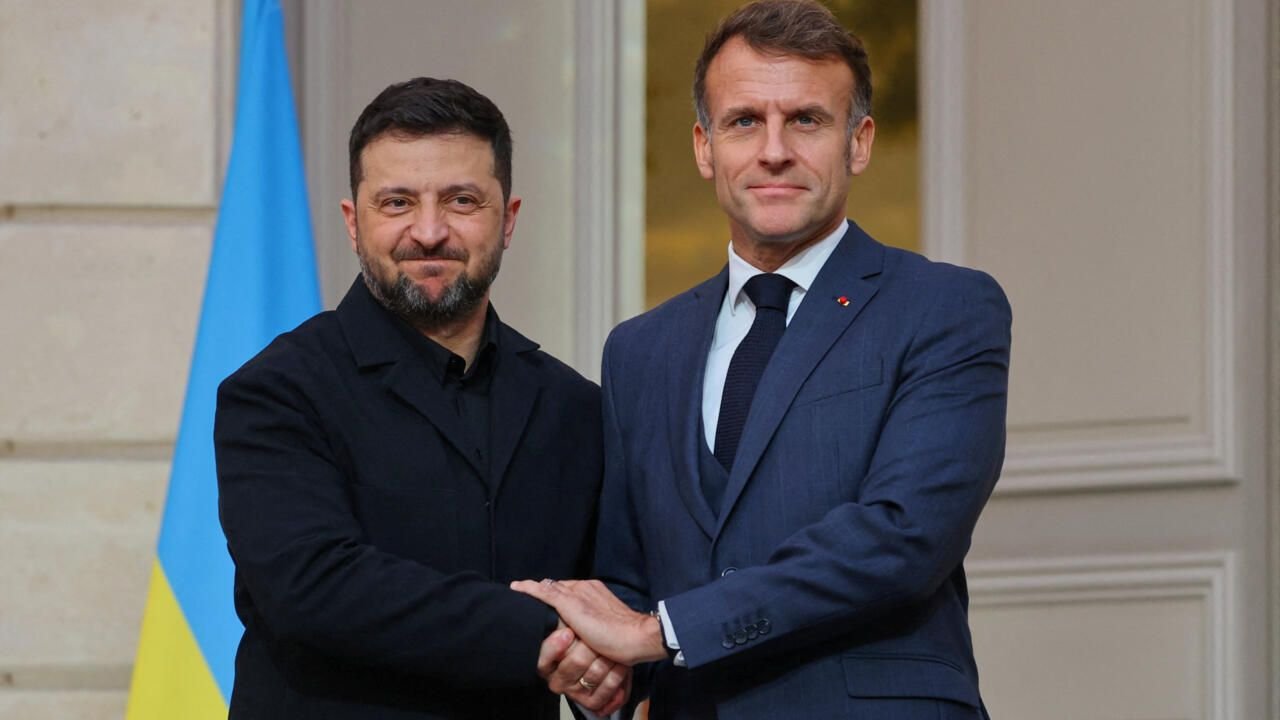
French President Emmanuel Macron has sharply criticized Russia’s invasion of Ukraine, describing it as a “triple failure” for Moscow as the conflict reached its fourth year, while reaffirming France’s continued political and diplomatic backing for Kyiv.
Speaking during anniversary events marking four years since the start of the full-scale invasion, Macron said the war had failed to achieve its core strategic objectives and instead weakened Russia’s international standing, security position, and long-term influence.
According to Macron, the conflict has produced consequences far beyond the battlefield. Rather than strengthening its geopolitical leverage, he argued, Russia now faces deeper international isolation, economic strain, and a more united Western alliance.
The war began on February 24, 2022, when forces under Russian President Vladimir Putin launched a large-scale military offensive into Ukraine. What was initially expected by many observers to be a rapid campaign has instead evolved into a prolonged and costly conflict with global implications.
France has remained among the European nations supporting Ukraine’s government, led by Volodymyr Zelenskyy. Macron reiterated that France’s position remains firmly in favor of Ukraine’s sovereignty and independence, emphasizing that lasting peace must be based on international law and territorial integrity.
At the same time, the French president acknowledged the growing complexity of diplomatic efforts to resolve the conflict. He noted that Europe faces internal political differences, varying economic pressures, and public debates over the scale and duration of support for Ukraine.
Also Read; Africa Becomes Battleground for Critical Resource Race
“Diplomatic progress is difficult,” Macron said, pointing to the challenge of maintaining unity among European partners while also exploring potential pathways toward negotiations.
The war has had far-reaching consequences across multiple sectors. Energy markets were among the first to be affected, as European countries moved to reduce dependence on Russian supplies. Inflation, supply chain disruptions, and rising defense spending have also reshaped economic priorities across the continent.
Beyond Europe, the conflict has influenced global food security, particularly in regions dependent on grain exports from the Black Sea. Countries in Africa and the Middle East have been especially sensitive to fluctuations in food and fuel prices linked to the war.
Despite the challenges, Macron stressed that abandoning Ukraine would risk undermining international stability and encouraging further violations of sovereign borders.
Political analysts say Macron’s remarks reflect a broader Western assessment that the war has fundamentally altered Russia’s global position. Instead of expanding its influence, Moscow now faces a more unified Western security posture and long-term economic pressure.
However, experts also caution that the conflict remains unpredictable. Military lines have shifted slowly, and diplomatic breakthroughs remain uncertain.
As the war enters its fifth year, Macron’s comments highlight both the determination of Ukraine’s allies and the growing recognition that resolving the conflict will require sustained diplomatic effort alongside continued political and economic support.
For Europe and the wider world, the anniversary serves as a reminder that the war’s consequences extend far beyond Ukraine, shaping the future of global security, alliances, and international relations.