MWE Correspondent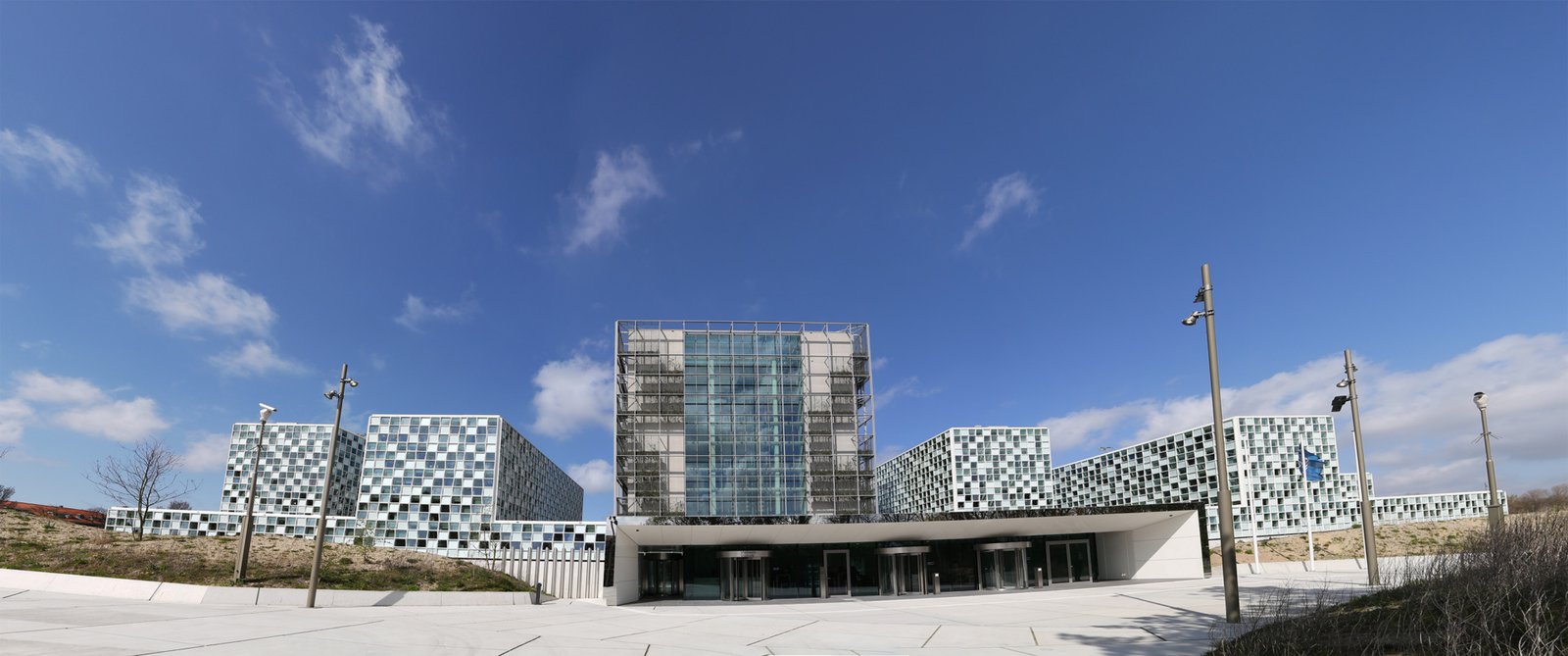
Debate over reforming the International Criminal Court (ICC) intensified this week as diplomats and legal scholars convened in The Hague on 19–20 February 2026 for a policy forum examining the court’s global legitimacy and operational balance.
The gathering brought together representatives from African, European, and Latin American states, alongside legal experts and civil society organizations. Discussions focused on concerns regarding selective prosecution, jurisdictional consistency, and the balance between international oversight and national sovereignty.
Several African delegates reiterated longstanding concerns that the ICC’s caseload has historically concentrated heavily on African situations. While reaffirming support for accountability mechanisms addressing genocide, war crimes, and crimes against humanity, they emphasized that reform is necessary to strengthen confidence in multilateral justice institutions.
Participants referenced the principles outlined in the Rome Statute, particularly the doctrine of complementarity — which states that national courts should have primary responsibility for prosecuting crimes, with the ICC intervening only when domestic systems fail.
Also Read: Security Guarantees Talks Intensify As Ukraine War Drags
European representatives defended the court’s independence, arguing that prosecutorial decisions are evidence-based rather than politically motivated. However, analysts noted that geopolitical tensions have increasingly influenced how international justice mechanisms are perceived worldwide.
The forum also examined how global power shifts and emerging alliances are reshaping attitudes toward multilateral institutions. Legal scholars highlighted that the credibility of international courts depends on consistent application of standards across regions and political blocs.
African policymakers at the meeting advocated strengthening regional institutions such as the African Court of Justice and Human Rights, arguing that enhanced regional capacity would reinforce complementarity and reduce reliance on external judicial processes.
Observers say the February discussions do not signal immediate structural change within the ICC, but they reflect growing momentum behind reform conversations. As global governance systems face scrutiny, debates over international justice are increasingly intertwined with questions of sovereignty and geopolitical influence.
The Hague forum concluded with agreement to establish a working group that will submit reform proposals ahead of the next Assembly of States Parties session later in 2026.