MWE Correspondent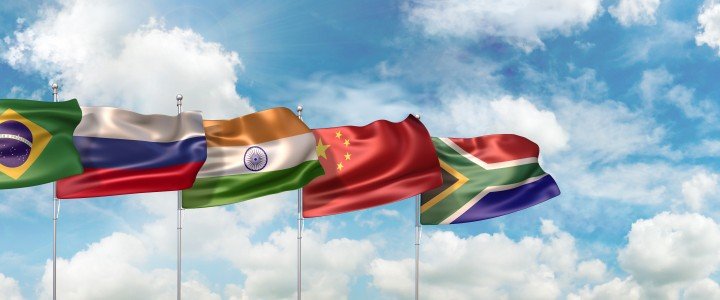
The BRICS alliance is accelerating its expansion and deepening efforts to build alternative financial structures that could reshape global economic dynamics in 2026.
With new members joining the bloc and discussions intensifying around non‑Western monetary frameworks, emerging economies — particularly in Africa — are watching closely as opportunities and challenges evolve.
BRICS — comprising Brazil, Russia, India, China and South Africa — has expanded its membership in recent months to include a diverse group of nations from Africa, Asia, and Latin America. This expansion reflects a broader drive to diversify international influence and challenge the traditional dominance of Western financial institutions such as the International Monetary Fund (IMF) and the World Bank.
One of the most notable developments this year has been increased dialogue among BRICS members about creating a common unit of account that could be used for intra‑bloc trade and settlement. The concept aims to reduce reliance on the US dollar and stabilise trade among member economies amid ongoing global geopolitical tensions. Experts say such a mechanism could help participating countries mitigate the impact of external financial shocks and currency volatility.
African governments and financial leaders are showing heightened interest in BRICS‑linked initiatives, with several nations exploring how to leverage new platforms for development financing and infrastructure investment. Proponents argue that such engagement could ease dependency on Western debt markets and offer alternative routes for funding energy, transport and technology projects critical to long‑term economic growth.
However, analysts caution that the promise of alternative financial systems comes with complexities. Integrating into BRICS‑oriented frameworks requires robust financial governance, macroeconomic stability, and clear regulatory oversight. There is also a need to ensure that engagement with emerging blocs complements — rather than undermines — existing continental initiatives such as the African Continental Free Trade Area (AfCFTA), which aims to expand intra-African commerce and economic cooperation.
Also Read; African Nations Explore Debt Restructuring Beyond IMF
Critics warn that while BRICS expansion could unlock new avenues for trade and investment, it may not entirely shield participating countries from geopolitical pressures or market fluctuations. They emphasise that diversifying economic partnerships must be paired with strong domestic policies, transparent public-private cooperation, and resilience planning to guard against external vulnerabilities.
Despite the challenges, some African economies are already piloting projects that intersect with BRICS objectives. For example, infrastructure programmes financed through multilateral mechanisms tied to the bloc are underway in parts of East and Southern Africa, focusing on transport corridors, energy grids and digital connectivity — sectors seen as essential for future competitiveness.
Looking ahead, financial experts believe the evolution of alternative systems — including digital currency discussions and regional settlement platforms — will be central to debates at the next BRICS summit, scheduled later in 2026. These talks are expected to address governance, interoperability, and mechanisms that could integrate local African financial markets into broader strategic architectures.