MWE Correspondent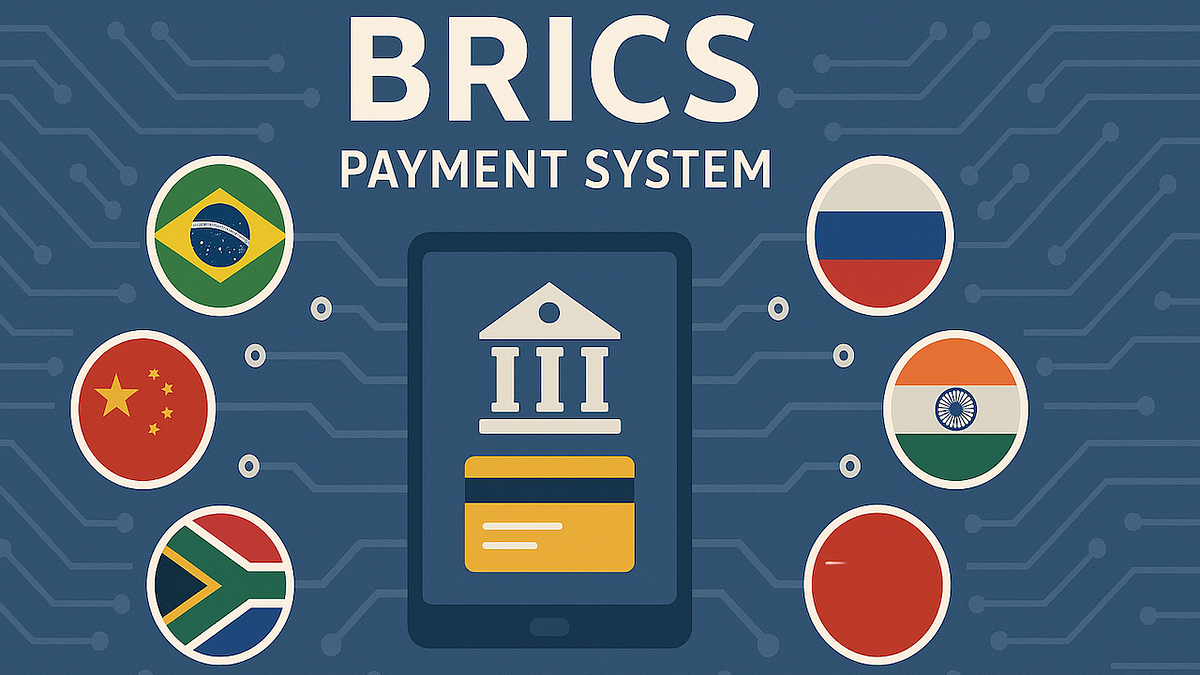
Discussions within the BRICS bloc are gaining momentum this month as member states move forward with plans to strengthen alternative cross-border payment systems and reduce reliance on Western-dominated financial infrastructure.
Finance ministers from Brazil, Russia, India, China, South Africa and newly admitted members have intensified consultations on expanding local currency trade settlements and integrating digital clearing mechanisms. The initiative comes amid continued geopolitical tensions and the long-term impact of sanctions regimes that have exposed vulnerabilities in the global financial system.
Central to the strategy is expanding cooperation around national payment platforms and linking them into a coordinated settlement framework. Russia has promoted its MIR system, China continues to expand the Cross-Border Interbank Payment System (CIPS), and India has advanced rupee-based trade mechanisms. Rather than launching a single common currency immediately, BRICS policymakers are focusing on interoperability and settlement flexibility.
The New Development Bank (NDB), headquartered in Shanghai, is also exploring ways to increase lending in local currencies. By reducing dependence on dollar-denominated borrowing, member countries aim to shield themselves from exchange rate volatility and external financial shocks.
For African economies, particularly those participating through South Africa and other newly admitted members, the development holds strategic significance. Many African states continue to face high debt servicing costs tied to foreign currency exposure. Alternative settlement systems could support regional trade and infrastructure financing while easing pressure on foreign reserves.
The push reflects broader de-dollarization conversations that gained traction after sanctions on Russia restricted access to global financial messaging systems. Some policymakers within the bloc argue that diversification enhances financial sovereignty and reduces the risk of politically motivated financial exclusion.
However, economists caution that building credible alternatives requires strong institutional coordination and market confidence. The U.S. dollar remains dominant in global reserves, commodity pricing, and trade invoicing due to its liquidity and deep capital markets. Any shift away from dollar usage is expected to be gradual rather than abrupt.
Beyond economics, the initiative carries geopolitical weight. A more diversified financial architecture could accelerate the transition toward a multipolar global system, where emerging economies exercise greater influence over monetary and trade governance.
For African policymakers observing these developments, the key question is how to leverage evolving financial systems to strengthen regional trade and protect economic sovereignty — without exposing their economies to instability.