MWE Correspondent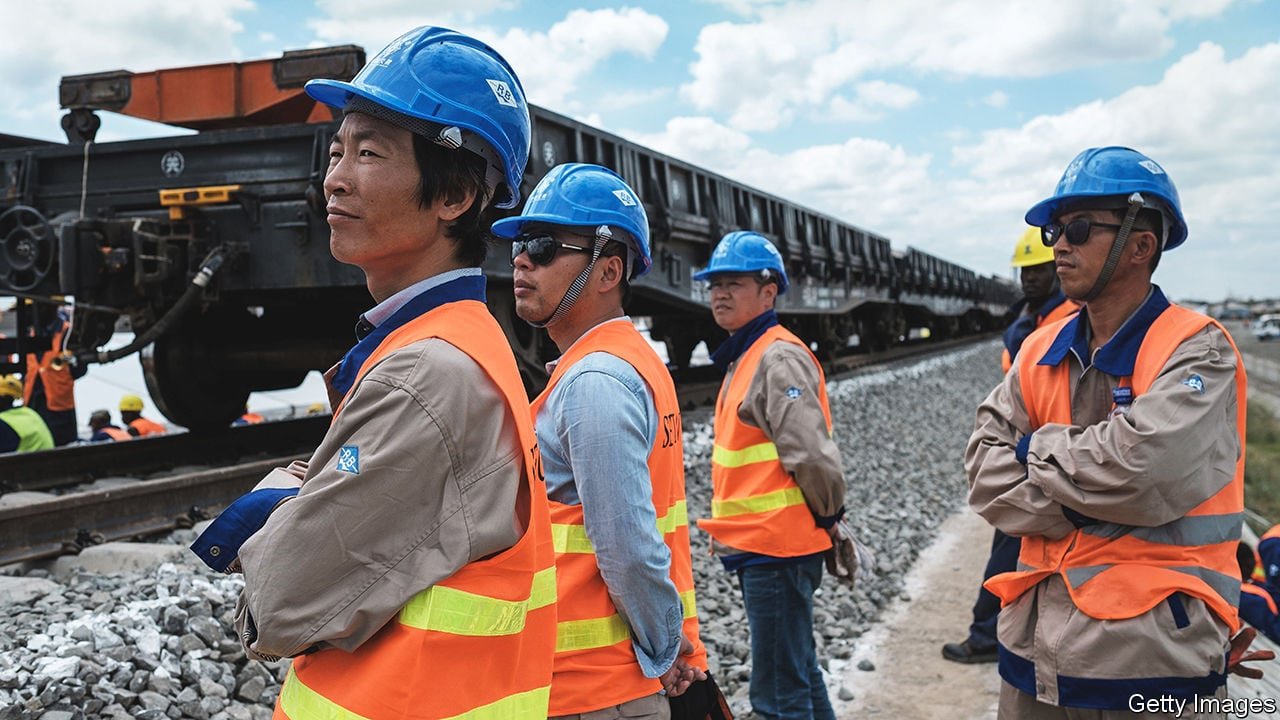
China is deepening its economic footprint across Africa through a new wave of infrastructure financing agreements, reinforcing its long-term strategic presence on the continent while reigniting debate over debt sustainability and development priorities.
Recent bilateral meetings between African leaders and officials from the Government of China have resulted in fresh commitments to rail modernization, port expansion, and renewable energy projects. Several of these agreements are being structured under the framework of the Belt and Road Initiative, Beijing’s global infrastructure program launched over a decade ago.
For many African governments, Chinese financing remains attractive because of its speed, scale, and focus on tangible projects. Rail corridors connecting landlocked states to coastal ports, industrial parks aimed at boosting manufacturing, and power generation facilities are seen as catalysts for economic transformation.
Officials in East and Southern Africa argue that infrastructure gaps have long constrained trade competitiveness and industrial growth. They maintain that external financing — whether from China, multilateral lenders, or private investors — is essential to close development deficits that domestic revenue alone cannot address.
However, concerns persist. Critics warn that poorly structured loans and limited transparency could increase fiscal vulnerability. Debt sustainability has become a sensitive topic, particularly in countries already negotiating restructuring arrangements with international creditors. Financial analysts emphasize the importance of balanced partnerships and diversified funding sources.
Also Read; Ethiopia Navigates Fragile Post-Conflict Political Transition
Chinese officials have defended their approach, stating that infrastructure development strengthens mutual economic ties and supports long-term growth. Beijing has also pointed to adjustments in lending practices, including greater emphasis on project viability and public-private partnerships.
The conversation extends beyond economics into geopolitics. As Africa’s strategic importance rises — driven by mineral resources, demographic growth, and trade potential — major powers are competing for influence. Western governments have introduced alternative investment initiatives, framing them as complementary or competitive options to Chinese financing.
For communities on the ground, the debate often feels secondary to immediate benefits. New roads shorten travel times, expanded ports facilitate exports, and power projects bring electricity to underserved regions. At the same time, citizens increasingly demand accountability, environmental safeguards, and local employment opportunities.
Regional organizations, including the African Union, continue to emphasize that infrastructure partnerships must align with continental development frameworks and long-term sustainability goals.
As negotiations progress, the key question is not whether China will remain a major player in Africa’s development landscape — that is already established. Rather, it is how African governments will manage partnerships to ensure infrastructure investments translate into inclusive growth, fiscal stability, and strengthened sovereignty.
In a rapidly shifting global order, infrastructure financing has become more than bricks and steel. It is a defining element of economic strategy, diplomatic leverage, and the future trajectory of Africa’s development path.