MWE Correspondent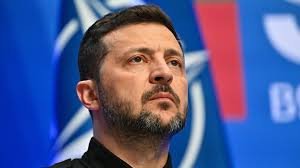
Efforts to end the Russia‑Ukraine war, now approaching its fourth year, continue to shape international diplomacy and redefine global alliances as key powers push for peace amid renewed hostilities and strategic deadlock.
Recent developments illustrate the complexity of negotiating an end to Europe’s most destructive conflict since World War II, with global implications for security guarantees, energy markets and interstate relations.
On February 12, 2026, Russia launched a large-scale missile and drone assault on Ukrainian cities including Kyiv, Dnipro and Odesa, targeting energy infrastructure and urban areas. Ukrainian authorities reported several injuries and damage to residential and infrastructure sites, underscoring the challenge facing diplomatic efforts even as negotiations proceed. Ukrainian President Volodymyr Zelenskyy appealed for increased pressure from the United States and its allies to bring Russia to the negotiating table before summer.
Amid the violence, President Zelenskyy reaffirmed that Ukraine will only hold presidential elections after a ceasefire and firm security guarantees are established, dismissing earlier suggestions of wartime elections under martial law. Kyiv’s stance reflects concerns about legitimacy and stability should an electoral process be held amid active conflict.
Diplomatic efforts have centered on trilateral peace talks brokered by the United States and other partners, with rounds of negotiations held in Abu Dhabi in late January and early February 2026. Although the meetings did not produce a comprehensive ceasefire agreement, they did result in a prisoner exchange — the first such swap in five months — and planning for future talks, likely to take place in the United States.
Also Read; Ukraine War Reshapes Global Alliances and Diplomacy
Ukrainian negotiators said discussions focused on mechanisms to secure a lasting peace, including ways to implement and monitor any future ceasefire. While both sides described the talks as “constructive,” fundamental differences remain, especially regarding the contested Donetsk region and multinational force provisions for peacekeeping.
The broader diplomatic landscape also involves major world powers. European leaders have reiterated support for Ukraine through security guarantees and financial assistance, as well as discussions about a multinational force to support future peacekeeping efforts. Meanwhile, Russia faces mounting pressure from sanctions and disrupted oil exports, which have significantly squeezed its energy revenues and slowed economic growth — factors that could influence its willingness to negotiate.
Energy markets, already volatile, have been affected by the war’s continuation. Oil prices remain sensitive to shifting supply signals and geopolitical tension, with traders monitoring diplomatic developments closely for cues on future stability.
For African diplomacy, the Ukraine conflict offers both lessons and cautionary signals. Balancing relations with global powers — the United States, Russia, China and the European Union — requires deft negotiation and strategic clarity. African nations observing the Ukraine peace process are learning how peace talks, security guarantees and economic sanctions can be used as levers in international relations, and the importance of forging diversified partnerships to advance national interests without compromising sovereignty.