Joseph Isangura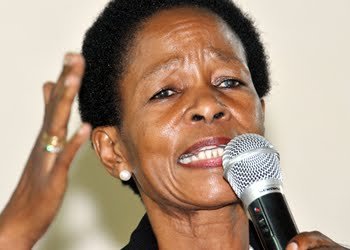
Veteran Tanzanian politician and respected economist Professor Anna Tibaijuka has warned that the country’s current political environment is not conducive to genuine national unity, arguing that reconciliation efforts will remain fragile unless justice is visibly upheld.
Speaking during a televised interview programme hosted by senior journalist Salim Kikeke, Prof. Tibaijuka said unity cannot be achieved through speeches and symbolic gestures alone while prominent opposition leaders remain behind bars and public trust in state institutions continues to erode.
The former cabinet minister stressed that lasting peace is built on fairness and accountability, noting that political exclusion and perceived injustice only deepen divisions within society.
“You cannot speak of bringing the nation together when there are still strong feelings of injustice,” she said. “Without justice, there can be no real peace.”
Her remarks come at a time when Tanzania’s political climate remains tense, particularly following the detention of opposition figures, including Tundu Lissu, the outspoken leader of the main opposition party. Lissu’s imprisonment has drawn criticism from human rights groups and political observers who argue that the move reflects shrinking democratic space in the country.
Prof. Tibaijuka, who previously served as a senior official at the United Nations and is widely regarded for her contributions to economic development and governance, said that reconciliation cannot succeed if key political actors are silenced or excluded from national dialogue.
She further urged President Samia Suluhu Hassan to demonstrate a stronger commitment to transparency by releasing the findings of a commission of inquiry established to investigate incidents that occurred on October 29, which reportedly involved political tensions and security operations.
According to Prof. Tibaijuka, making the commission’s report public would be a critical step toward restoring confidence between the government and citizens.
“Openness is the foundation of trust,” she said. “When people are kept in the dark, suspicion grows, and unity becomes impossible.”
Also Read; US Senator Warns of Rift in Uganda Security Ties
Political analysts note that President Samia initially won praise for easing restrictions on the media and engaging opposition leaders after taking office. However, recent developments have raised concerns that reform momentum may be slowing, particularly as the country approaches future electoral cycles.
Civil society groups have echoed Prof. Tibaijuka’s call for greater accountability, arguing that unresolved political grievances risk destabilising the nation if left unaddressed. They say meaningful dialogue, respect for the rule of law, and equal treatment of all political actors are essential for long-term stability.
Supporters of the government, however, maintain that authorities are acting within the law to preserve national security and public order, insisting that investigations and judicial processes should be allowed to run their course.
Despite differing views, Prof. Tibaijuka’s intervention has reignited public debate over the balance between security and democracy in Tanzania. Her stature as both a seasoned politician and internationally respected academic has given added weight to calls for reforms rooted in justice and transparency.