Joseph Isangura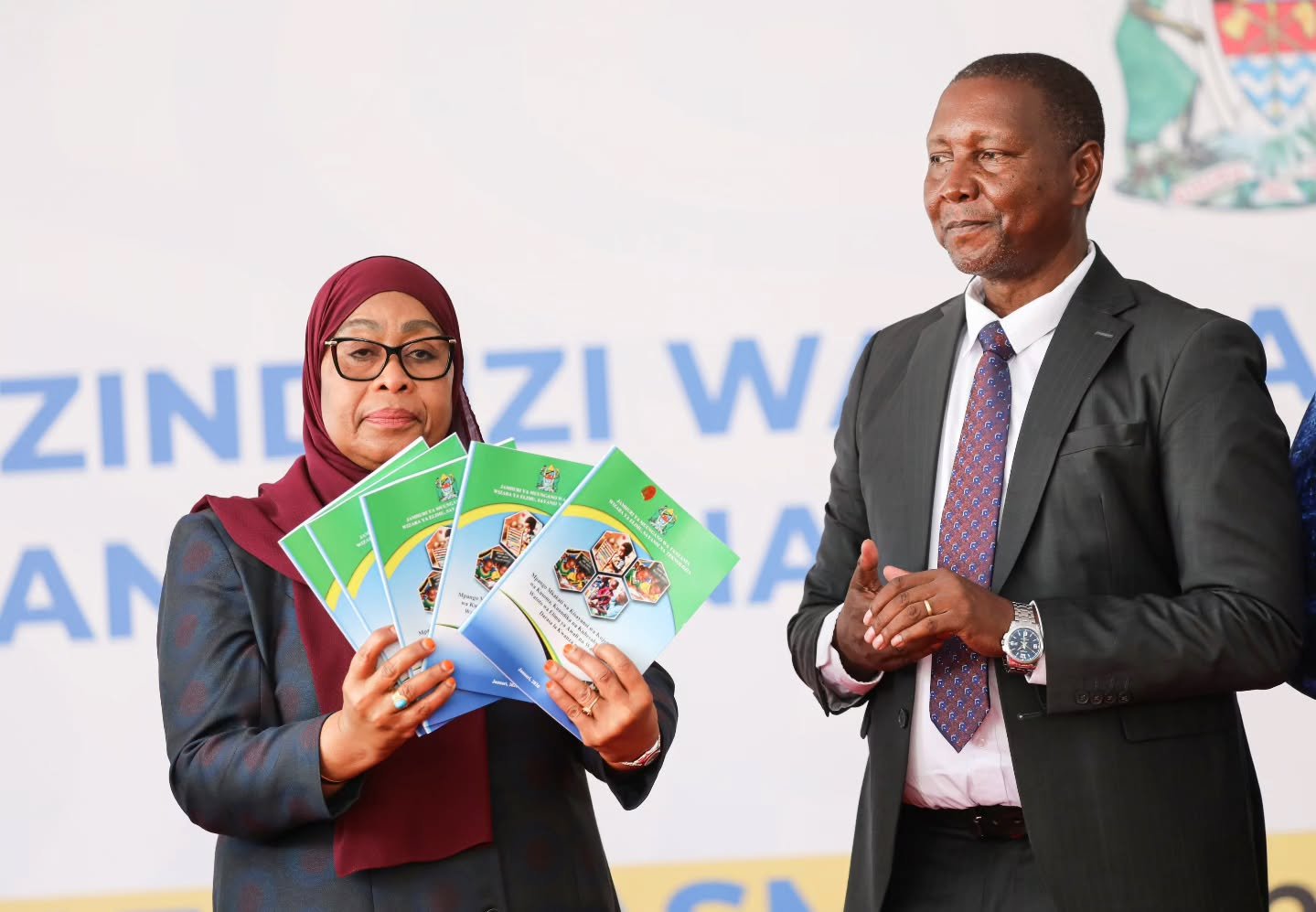
President Samia Suluhu Hassan has directed education authorities across Tanzania to ensure the full and effective implementation of a national strategy aimed at strengthening children’s foundational learning skills, warning that reforms must translate into real classroom results rather than remain policy documents.
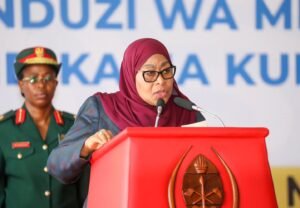
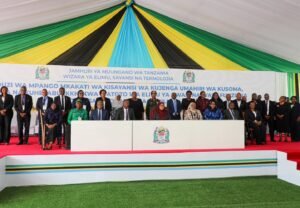
Speaking during the launch of the Scientific Strategy for Building Reading, Writing and Numeracy Competence in Dar es Salaam, the President emphasized that all relevant institutions must work together to guarantee that every child acquires essential literacy and numeracy skills in the early years of schooling. The initiative focuses on improving learning outcomes for pupils in pre-primary, Grade One and Grade Two.
President Samia said the strategy is designed to ensure that by the time children progress to Grade Three, they can confidently read, write and perform basic mathematics — skills she described as the backbone of quality education and long-term national development.
She further instructed education officials to conduct early and regular assessments to identify pupils facing learning difficulties and provide timely support before gaps widen. Teachers, school heads and education officers were urged to take direct responsibility for monitoring progress and ensuring accountability at every level.
“The success of this strategy will not be measured by reports, but by children’s ability to learn effectively,” the President noted, adding that government oversight would remain strong to ensure resources, training and systems align with expected outcomes.
The reform aligns closely with global efforts to improve education quality, particularly in developing countries where early learning challenges often limit long-term academic success. Experts widely agree that strong foundational skills are essential for economic growth and social development.
Education Minister Professor Adolf Mkenda said the government developed the strategy as part of its commitment to transforming national learning standards. He explained that the programme will strengthen teaching methods through continuous teacher training, the introduction of interactive learning materials, curriculum improvements — particularly in science subjects — and regular evaluation of student progress.
Professor Mkenda noted that community involvement will also play a critical role, with parents and guardians encouraged to support learning at home to reinforce classroom instruction.
Also Read; South Africa Plans Temporary Exit From G20 During Presidency
The strategy is scheduled to run for five years, up to 2030, with annual progress reviews to track improvements in student competence. Authorities believe this approach will create a culture of performance-based education reform and ensure no child is left behind in basic learning.
Dar es Salaam Regional Commissioner Albert Chalamila welcomed the initiative, saying mastery of reading, writing and numeracy would significantly improve students’ understanding across all subjects. He described the programme as a turning point that would strengthen learning outcomes as pupils advance through the education system.
Education analysts say Tanzania’s focus on early-grade learning reflects a growing recognition across Africa that strong foundations determine future academic success. Studies show that children who fail to develop literacy and numeracy skills early often struggle throughout their schooling.
The reform also supports broader development goals by strengthening human capital, which plays a crucial role in productivity and economic competitiveness. By improving early education quality, Tanzania aims to build a more skilled workforce capable of supporting long-term national growth.
Globally, countries that have invested heavily in foundational education have seen significant improvements in school completion rates and workforce readiness, reinforcing the importance of early interventions.
As Tanzania continues to expand access to schooling, leaders now appear equally focused on ensuring that access is matched by quality. The success of the new strategy, observers say, could mark a major shift in how learning outcomes are achieved across the country and serve as a model for education reform across the region.
If implemented effectively, the initiative could redefine the future of Tanzanian classrooms — placing competence, accountability and student success at the centre of the nation’s education agenda.