Joseph Isangura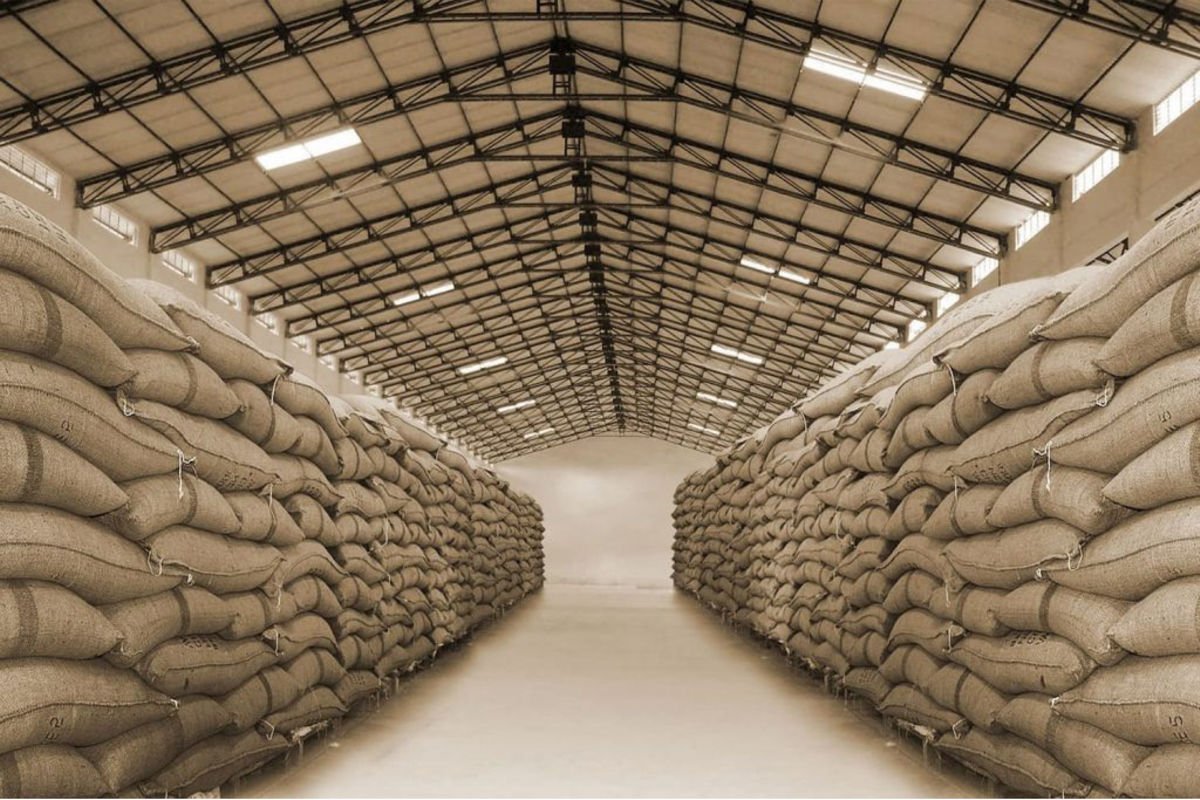
The Government of Tanzania has renewed its push to strengthen the Warehouse Receipt System (WRS), a key agricultural marketing framework aimed at improving farmers’ incomes, transparency, and access to financing.
Speaking during the official launch of the modernized Warehouse Receipt System and the commemoration of 20 years of its implementation, Deputy Minister for Industry and Trade Dennis Londo acknowledged that many farmers still associate the system with past challenges experienced through cooperative societies.
He noted that while the mechanism was designed to protect farmers from exploitation and unstable market prices, previous weaknesses in management had eroded public confidence.
“The reintroduction of the Warehouse Receipt System reminds many farmers of the difficulties they went through in the past,” Londo said. “Our biggest task now is to rebuild trust in the government and its institutions, including this system, so that wananchi can fully benefit from it.”
The Warehouse Receipt Regulatory Board (WRRB), which oversees the framework, has introduced new digital tools, tighter oversight, and transparent trading processes to ensure accountability across the agricultural value chain.
According to officials, the improved system allows farmers to store produce in certified warehouses, receive receipts that can be used as collateral for loans, and sell crops later when market prices are favorable.
The reforms align with Tanzania’s broader agricultural transformation agenda, which focuses on boosting productivity, reducing post-harvest losses, and integrating smallholder farmers into formal markets.
The concept of a Warehouse Receipt System has been successfully used in several countries to stabilize agricultural markets and empower farmers financially. By securing produce in regulated storage facilities, farmers avoid distress sales immediately after harvest when prices are lowest.
Londo emphasized that institutional credibility would determine the long-term success of the system.
“Technology alone is not enough. Farmers must feel protected. We are committed to ensuring transparency, fairness, and proper governance at every stage,” he said.
Agricultural experts believe the revived framework could significantly enhance rural incomes, especially for producers of grains, coffee, and other cash crops that suffer from seasonal price fluctuations.
The initiative also supports national food security goals while encouraging private sector participation in storage infrastructure and commodity trading.
The WRRB reported that over the past two decades, the system has facilitated billions of shillings in agricultural trade and helped thousands of farmers access credit. However, gaps in enforcement and cooperative mismanagement had previously undermined its impact.
Also Read; President Samia Declares Climate Change a Present Global Crisis
With new reforms in place, authorities are optimistic that farmers will once again embrace the model.
The program further complements Tanzania’s push toward agricultural modernization, which prioritizes mechanization, digital services, and improved market linkages.
Observers say restoring confidence will take time but could yield lasting economic benefits if properly implemented.
As global food markets remain volatile, structured trading systems such as the WRS are increasingly viewed as essential tools for protecting small-scale farmers while strengthening national economies.
The government has urged farmers’ groups, traders, and financial institutions to actively participate in the revitalized framework to ensure its sustainability.
Meanwhile, regulatory bodies have pledged strict monitoring to prevent the mistakes of the past and safeguard farmers’ interests.
The move reflects Tanzania’s growing commitment to agricultural reform as a driver of inclusive economic growth and rural development, in line with global best practices in commodity market regulation.
If successfully executed, the renewed Warehouse Receipt System could mark a turning point for Tanzania’s agricultural sector—transforming how farmers store, finance, and sell their produce while restoring faith in public institutions.