MWE Correspondent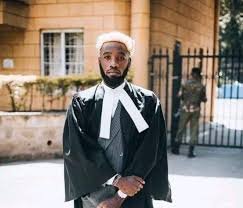
The arrest of Brian Mwenda, a Kenyan man accused of impersonating a qualified lawyer and successfully handling dozens of court cases, has continued to spark intense public debate about professional regulation and the strength of legal safeguards in Kenya.
Mwenda’s story first captured national attention after authorities revealed that he had allegedly practised law without formal training or certification, yet managed to represent clients in court — reportedly winning 26 cases before his identity was questioned. His ability to navigate complex legal arguments and courtroom procedures left many stunned, raising uncomfortable questions about how such a breach could occur within a tightly regulated profession.
Investigations later pointed to weaknesses within systems used to verify legal practitioners, including digital platforms managed by the Law Society of Kenya, the professional body responsible for regulating advocates in the country. Officials believe Mwenda may have manipulated online records to pose as a licensed lawyer, allowing him to appear in court without triggering immediate suspicion.
The deception reportedly came to light when the real advocate whose identity had been altered attempted to access his professional account and discovered irregular changes. This prompted an internal review and a swift report to law enforcement agencies, leading to Mwenda’s arrest on charges linked to impersonation, fraud and unlawful legal practice.
What shocked many even further was what followed. After his arrest, Mwenda reportedly represented himself in court — and won — a dramatic twist that fueled both admiration and concern. While some Kenyans praised his apparent intelligence and courtroom confidence, legal experts were quick to caution against romanticising the case.
Impersonation within critical professions, they stressed, is not simply a clever trick but a serious crime that can undermine justice, expose clients to harm and weaken public trust in institutions. According to legal analysts, cases like this highlight the dangers of identity fraud and the urgent need for stronger digital security and verification processes.
Also Read; Tanzania Pushes Clean Energy Drive for Sustainable Future
The broader legal community has since called for reforms, including tighter background checks, real-time licence verification in court systems, and improved cybersecurity around professional databases. Some judges have also urged for technological tools that allow instant confirmation of an advocate’s credentials before hearings proceed.
Beyond regulation, the case has sparked wider conversations about access to justice. Some members of the public have questioned whether Mwenda’s courtroom success points to deeper issues in legal education and professional monopolies, while others insist that proper qualifications remain essential to protect the public.
Kenya’s judiciary, which plays a central role in upholding the rule of law across the country, has not been spared scrutiny either. Observers argue that the episode exposes gaps in how courts verify practitioners appearing before them — a vulnerability that could exist in many systems globally, not just in Kenya.
As investigations continue, legal authorities are reviewing the cases Mwenda previously handled to determine whether any verdicts were compromised or require reconsideration. Meanwhile, professional bodies are under pressure to restore public confidence by demonstrating that similar breaches will not happen again.
For many Kenyans, Mwenda’s story is both fascinating and troubling — a tale of bold deception that succeeded for far too long, revealing cracks in systems designed to protect justice.
Ultimately, the case stands as a warning. While talent and confidence may win arguments, integrity, training and accountability remain the foundation of any credible legal system. And as digital systems increasingly manage professional records, experts say vigilance must rise just as fast.
What began as a shocking individual scandal may now drive lasting reform — not only in Kenya, but in how institutions worldwide protect the professions the public depends on most.