MWE Correspondent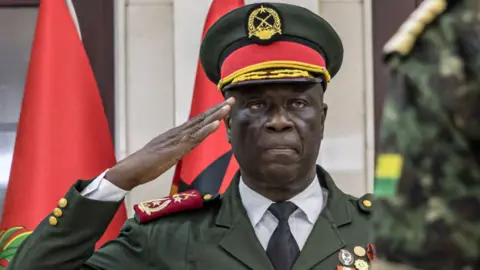
Guinea-Bissau’s military-led transitional authorities have announced that presidential and legislative elections will be held on 6 December 2026, formally setting a timetable for a return to civilian governance more than a year after the country’s latest seizure of power.
The decision was confirmed after Transitional President Horta N’Tam signed a decree on Wednesday, January 21, providing the first official electoral calendar since the military removed President Umaro Sissoco Embaló from office in November last year. The announcement comes amid sustained domestic and international pressure for a quicker handover of authority to an elected civilian administration.
Since the takeover, Guinea-Bissau has been under close scrutiny from regional and international partners, particularly the Economic Community of West African States (ECOWAS), which has repeatedly called on the new authorities to limit the duration of the transition. Regional leaders have warned that prolonged military rule risks deepening political instability in a country already known for recurrent coups and fragile institutions.
In a brief statement accompanying the decree, the transitional leadership said the December 2026 vote would allow sufficient time to reform electoral laws, update voter registers and create what it described as “conditions for a credible, transparent and inclusive election.” Officials also argued that rushing the process could undermine long-term stability, a position that has drawn mixed reactions from political actors and civil society groups.
Also Read; Bobi Wine Rejects Court Challenge, Calls Peaceful Protests
Opposition figures and pro-democracy organisations have expressed concern that the proposed timeline is too slow, warning that extended military rule could erode public trust and delay urgently needed economic and governance reforms. Several groups have urged the authorities to open broad consultations with political parties, religious leaders and civil society to ensure the transition remains inclusive and accountable.
Guinea-Bissau has a long history of political upheaval since independence, with multiple military interventions disrupting civilian governments. Analysts note that the November overthrow of Embaló followed months of political tension and disputes over governance, security sector influence and the balance of power between civilian leaders and the armed forces. The country’s experience mirrors broader challenges in parts of West Africa, where coups have re-emerged as a recurring threat to democratic rule.
International observers say the credibility of the December 2026 elections will depend not only on the date itself but also on the steps taken in the months ahead. These include guarantees of political freedoms, the safety of candidates and voters, and the neutrality of the security forces throughout the process. Calls have also been made for independent electoral oversight and technical support from regional and global partners.
For ordinary citizens, the announcement offers a tentative marker of hope after months of uncertainty. Many remain cautious, however, recalling past transitions that promised elections but failed to deliver lasting stability. As one civil society activist in Bissau noted, the true test will be whether the authorities respect the timeline and allow a genuine transfer of power.