MWE Correspondent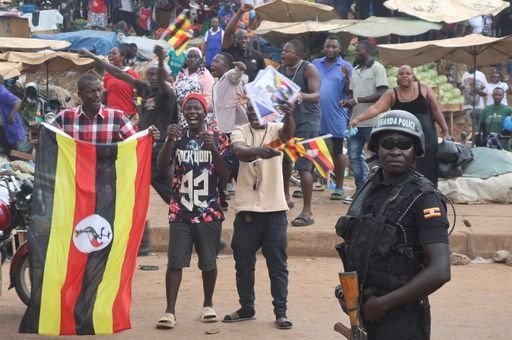
Uganda has imposed a sweeping shutdown of internet services and international phone calls just days before citizens head to the polls, a move that has reignited debate over digital rights, election transparency, and state security in the East African nation.
The restrictions took effect on Tuesday, January 13, 2026, only two days before the General Election scheduled for Thursday. Under the directive, access to mobile data, fixed internet connections, and cross-border voice communication has been cut nationwide. Authorities have also ordered an immediate halt to the sale and activation of new SIM cards, while Virtual Private Network (VPN) services have been disabled across all networks.
The decision was communicated through an official notice issued by the country’s communications regulator, which stated that the measures followed advice from an inter-agency security body tasked with overseeing public safety during the election period. According to the regulator, the shutdown is intended to prevent potential threats to national security and maintain public order during a politically sensitive time.
Uganda’s reliance on digital platforms has grown significantly in recent years, with internet access playing a central role in news distribution, civic engagement, business transactions, and election monitoring. As a result, the sudden blackout has had an immediate impact on journalists, civil society groups, online businesses, and ordinary citizens who depend on digital tools for communication and information.
This is not the first time Uganda has restricted digital access during elections. Similar actions were taken in previous polls, drawing sharp criticism from media freedom advocates and human rights organizations. Critics argue that internet shutdowns limit access to information, reduce transparency, and weaken public trust in electoral processes. Supporters of open digital space often point to global discussions on internet shutdowns, which highlight their social, economic, and political consequences.
Also Read; President Samia Calls for Justice, Integrity in Courts
President Yoweri Museveni, who has ruled Uganda for nearly four decades, is seeking another term in office. His administration has consistently defended such measures as necessary safeguards against misinformation, online incitement, and coordinated unrest. Officials insist the restrictions are temporary and will be lifted once the security situation allows, though no specific timeline has been provided.
International observers and regional analysts have expressed concern about the timing of the shutdown. In modern elections, digital connectivity is widely seen as essential for real-time reporting, voter education, and independent observation. Limiting access, they warn, may hinder the public’s ability to follow developments on polling day and could affect perceptions of the election’s credibility.
Beyond politics, the economic impact is also being felt. Small businesses, freelancers, and digital service providers report disruptions to daily operations, with some warning of financial losses if the blackout continues beyond election day. Similar experiences in other countries suggest that even short-term shutdowns can have lasting effects on confidence in the digital economy.
As Uganda approaches voting day, attention is now focused on whether authorities will restore services promptly after polls close. Civil society groups continue to urge the government to balance security concerns with respect for fundamental freedoms, emphasizing that access to information and communication is a cornerstone of democratic participation.