MWE Correspondent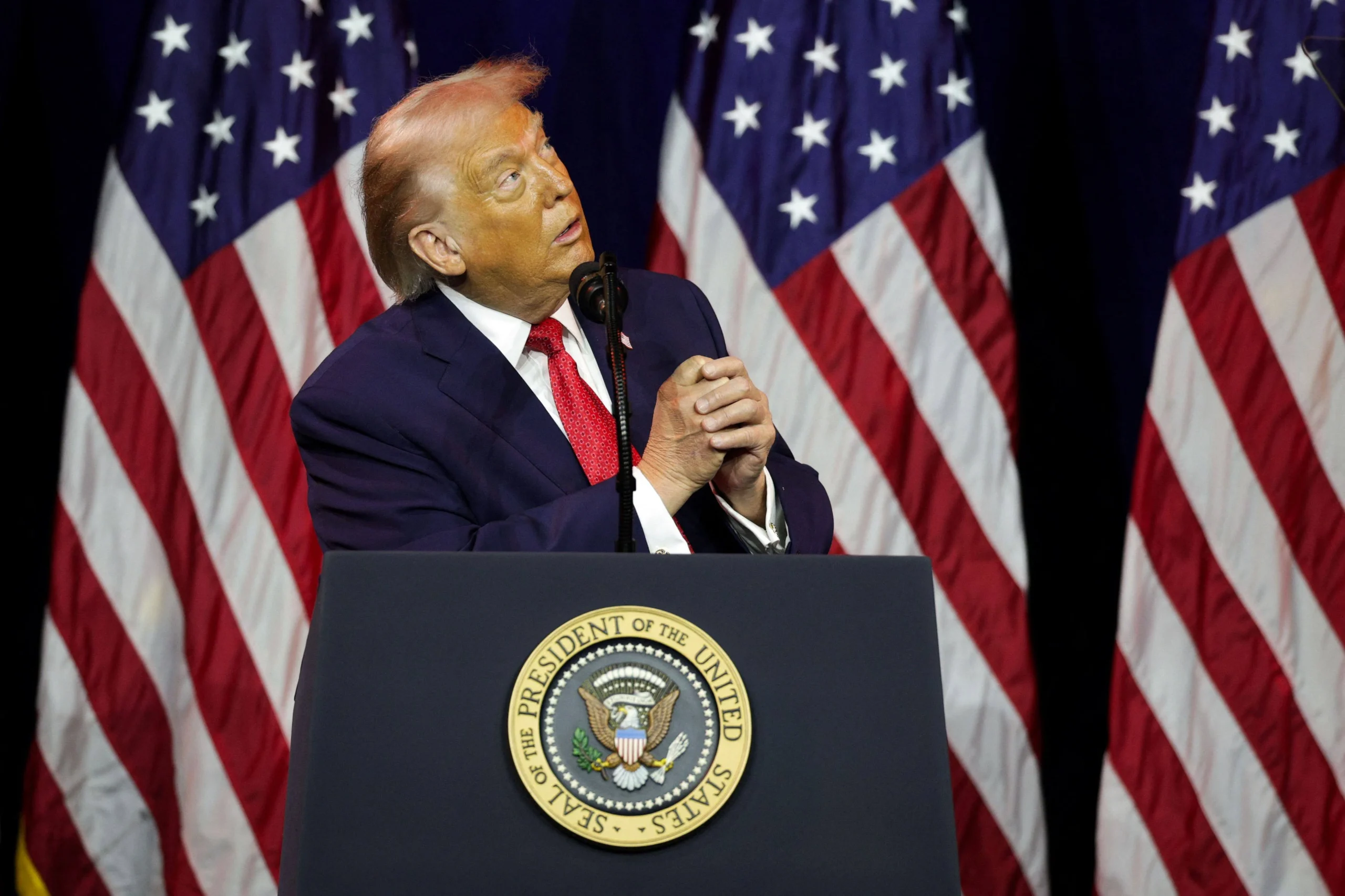
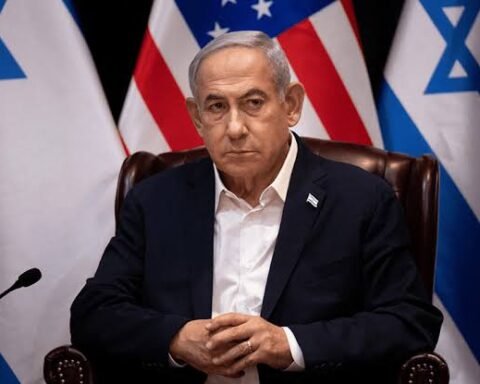
U.S. President Donald Trump has sharply escalated pressure on Iran by warning that any country continuing to trade with Tehran will face a new 25 percent tariff on all goods exported to the United States.
The announcement, delivered through a social media post, signals a tougher phase in Washington’s campaign to economically isolate Iran while amplifying political and military pressure on its leadership.
Trump described the measure as “final and mandatory,” leaving little room for negotiation or exemptions. According to the U.S. president, the policy is intended to force Iran to halt what Washington has described as a violent crackdown on demonstrators protesting against the country’s religious leadership. The warning follows earlier statements in which Trump suggested that military options remain on the table if Iran does not change course, combining economic leverage with security threats.
The proposed tariffs could have far-reaching consequences for global trade. Iran’s economy is heavily dependent on oil exports, with major buyers including China, Turkey, Iraq, the United Arab Emirates and India. By targeting countries that continue to do business with Tehran, Washington risks triggering broader disruptions in energy markets and global supply chains. Analysts say the move reflects a classic use of economic sanctions as a foreign policy tool, though critics argue such measures often have unintended consequences for global markets and ordinary citizens.
China responded swiftly and forcefully. The Chinese embassy in Washington criticized the plan as an unlawful unilateral action and said Beijing would take “all necessary measures” to protect its national interests. As Iran’s largest customer for crude oil, China stands to be significantly affected by the proposed tariffs, raising the prospect of renewed friction in China–United States relations. Observers warn that linking Iran policy to trade penalties could deepen tensions between the world’s two largest economies at a time when global growth remains fragile.
Also Read; China Urges Diplomacy, Rejects Foreign Interference Pressure
Meanwhile, conditions inside Iran continue to deteriorate. Protests that erupted on December 28, 2025, initially over economic grievances, have evolved into widespread demonstrations calling for an end to the religious system that has governed the country since the Iranian Revolution of 1979. Human rights groups report that the unrest has turned deadly. According to the Human Rights Activists News Agency, at least 646 people have been killed so far, including hundreds of protesters and more than a hundred members of the security forces. More than 10,700 people are reported to have been detained.
Despite the confrontational rhetoric, Iranian officials say they are still seeking to keep diplomatic channels open with Washington. Tehran has indicated that it remains open to dialogue in the hope of easing tensions and avoiding further escalation. At the same time, Trump has stated that he is in contact with Iranian opposition groups, a claim that has further complicated the diplomatic landscape and heightened concerns in Tehran about foreign involvement.
International reaction to Trump’s ultimatum has been mixed. Supporters argue that tougher measures are necessary to pressure Iran’s leadership and deter further violence against protesters. Critics, however, caution that sweeping tariffs could alienate allies, harm global trade and worsen economic conditions for ordinary Iranians without guaranteeing political change.
As the standoff deepens, Iran has once again become a focal point of global geopolitics. With economic pressure mounting, protests continuing at home and tensions rising between major world powers, the coming weeks are likely to be decisive in determining whether the crisis moves toward dialogue—or further confrontation.