MWE Correspondent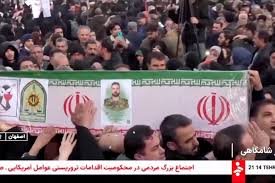
Iran’s Ministry of Foreign Affairs has officially rejected characterizations of recent public demonstrations as ordinary protests, instead describing the unrest as a “terrorist conflict” instigated by violent groups targeting government institutions, police stations, and commercial centres.
The statement, delivered on behalf of Foreign Minister Abbas Araghchi, reflects Tehran’s increasingly hardline posture toward escalating public dissent that has drawn international concern.
Addressing reporters in the capital, Araghchi said the disturbances sweeping the country should not be interpreted as peaceful assemblies but as coordinated attacks driven by groups he described as extremists with the intent to sow chaos and undermine stability. The foreign minister claimed these elements were responsible for assaults on state infrastructure, law enforcement facilities, and private property, asserting that such actions crossed the boundary from civil protest into violent conflict.
Iran has faced months of domestic upheaval as citizens have taken to the streets to voice frustrations over rising living costs, economic stagnation, and political marginalization. What began as public demonstrations against increases in basic prices has snowballed into a broader movement drawing diverse participants, including students, workers and ordinary families. Iranian authorities, however, maintain that external influences and disruptive factions have hijacked these grievances for destructive purposes.
According to independent observers, more than 500 people have been killed in clashes between security forces and protesters since the unrest intensified, with tens of thousands more injured or detained—figures that have alarmed rights organisations and foreign governments. These developments have prompted widespread international calls for restraint and political dialogue, though Tehran has resisted such appeals, framing the situation as part of a larger security challenge. For broader context on the current turmoil, see 2026 Iran protests.
Also Read; Barrick Excels In Providing Job Opportunities For Local Employees
Human rights groups have consistently described the events as civil protests driven by economic hardship and demands for reform, emphasising that demonstrations were largely non‑violent before escalating encounters with security forces. They argue that labelling grassroots dissent as terrorism risked justifying excessive force and undermining legitimate expressions of public concern.
The Iranian government’s description of the unrest as “terrorist conflict” comes amid a broader global debate over how states classify and respond to dissidence and dissent. Nations facing internal instability often employ legal and rhetorical strategies to categorise opposition movements as threats to state security, thereby invoking broader counter‑terror legislation and enforcement powers. For an overview of how terrorism is defined and applied in state policy, consult Terrorism.
Analysts note that the economic backdrop to the unrest includes high inflation, reduced purchasing power, and long‑standing challenges in sectors such as employment and housing. These pressures have compounded public frustration, particularly among youth and working‑age citizens who feel excluded from economic opportunity. Independent economists suggest that addressing core socioeconomic issues will be essential to defusing tensions and building sustainable stability—an approach that differs markedly from Tehran’s current security‑focused narrative.
International responses have varied, with some Western governments condemning the use of lethal force against demonstrators while advocating for peaceful resolution and respect for human rights. Meanwhile, Iran’s leadership insists that strong measures are necessary to preserve national sovereignty and prevent foreign‑inspired disruption. This stance has contributed to strained diplomatic interactions and increased scrutiny of Iran’s domestic policies by global institutions.