MWE Correspondent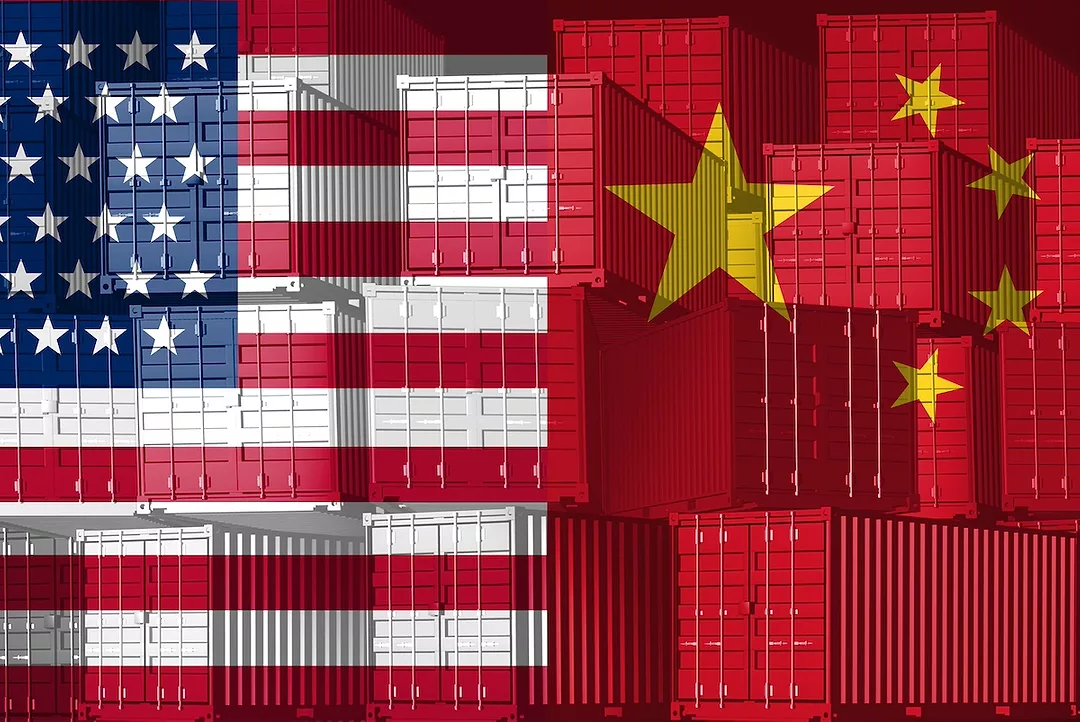
The United States’ recent military operation in Venezuela, which led to the capture of President Nicolás Maduro, is increasingly being viewed as more than a move against a single leader.
According to officials familiar with the thinking in Washington, the action was also intended as a broader geopolitical signal to China, warning Beijing against expanding its strategic footprint in the Americas.
For more than two decades, China has steadily increased its presence across Latin America, deepening economic ties, financing infrastructure projects, and securing access to natural resources. While Beijing has often framed its engagement as purely economic, U.S. policymakers have long regarded the growing influence as a strategic challenge unfolding close to home. The latest U.S. operation appears to have been designed, at least in part, to push back against that trend.
Senior figures within the U.S. administration have indicated that the move against Maduro was meant to underline Washington’s determination to remain the dominant external power in the Western Hemisphere. In their view, China’s approach of extending large loans and investments, particularly to heavily indebted countries, had allowed it to gain leverage that now needed to be curtailed. More background on the regional context can be found under Latin America.
China’s relationship with Venezuela has been a key example of this strategy. Over the years, Beijing provided financial support and technical cooperation in exchange for long-term access to energy resources, strengthening ties with a government often at odds with Washington. U.S. officials now say that arrangement is no longer acceptable and argue that the recent operation sends a clear message that such influence will face direct resistance.
Also Read; Barrick Excels In Providing Job Opportunities For Local Employees
President Donald Trump reinforced that message in remarks to industry leaders last week, expressing unease about China and Russia operating so close to U.S. borders. While emphasizing that Washington seeks stable relations with major powers, he made clear that their strategic presence in the Americas is viewed as unwelcome. Trump also suggested that China could meet its energy needs through open markets rather than relying on political alliances in the region. More context on U.S. regional policy is available through United States foreign policy.
Beijing reacted critically to the operation, condemning it as a violation of international norms and warning that unilateral actions could destabilize the region. Chinese officials have consistently argued that their engagement in Latin America is based on mutual benefit and respect for sovereignty. However, analysts note that the episode highlights how economic ties are increasingly intertwined with strategic competition between major powers.
Experts say the situation reflects a wider rivalry that goes beyond Venezuela. As China expands its global reach, the United States appears more willing to draw firm lines around areas it considers vital to its security and influence. The Americas, long viewed by Washington as its strategic backyard, are now clearly part of that contest. Additional insight into Beijing’s global ambitions can be found via China’s foreign relations.
Across the region, reactions have been mixed. Some governments quietly welcome a stronger U.S. stance, while others worry that great-power competition could increase instability and undermine regional autonomy. For many Latin American nations, balancing economic opportunities with political independence remains a delicate challenge.
The message from Washington appears unmistakable: influence in the Americas is no longer just an economic matter, but a strategic red line in an increasingly competitive world order.