Joseph Isangura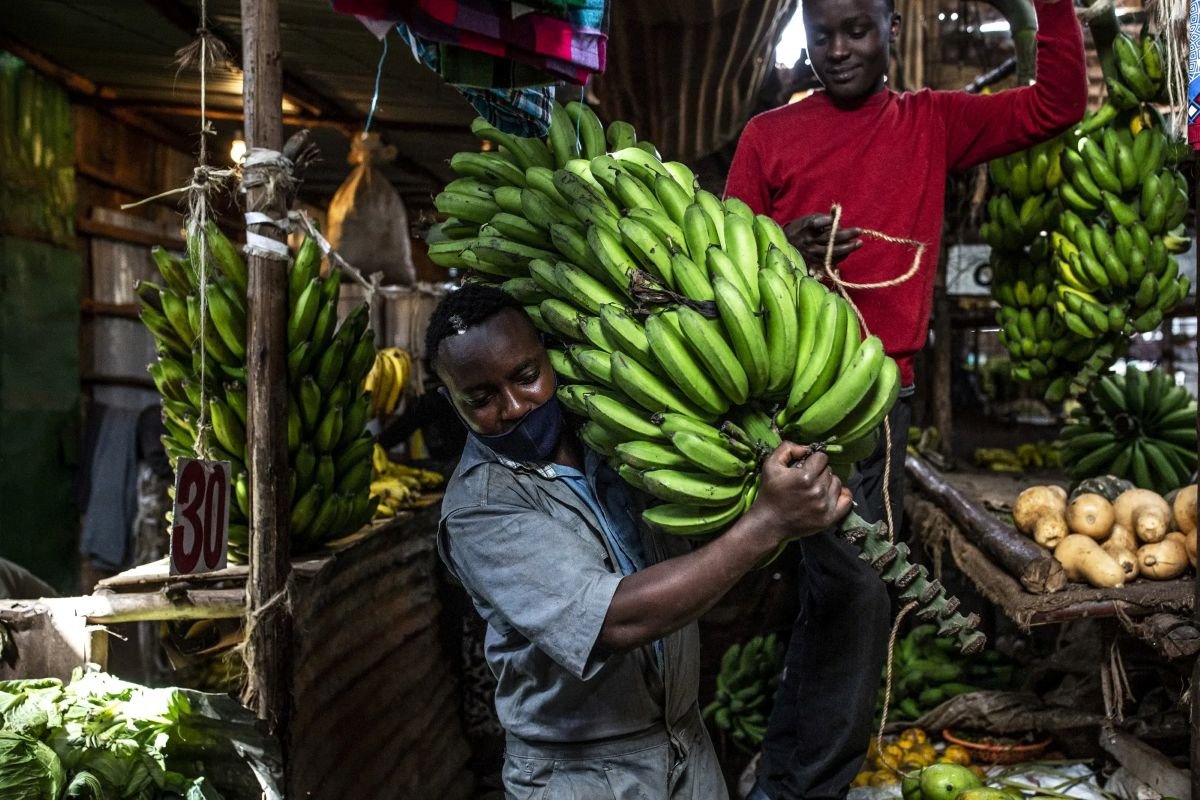
The Prime Minister has appealed to Tanzanians to use their available food supplies carefully and to avoid unnecessary waste as the country experiences delays in the start of the rainy season, a situation that could have implications for food security if not managed responsibly.
He made the call while addressing regional and district leaders during a meeting held in Dodoma, where discussions focused on preparedness and coordinated responses to changing weather patterns. The Prime Minister stressed that conserving food at household and community levels is essential at a time when rainfall remains unpredictable in several parts of the country.
According to him, the national weather authority has already released a seasonal outlook covering both the short rains expected between October and December 2025, as well as the main rainy season forecast from November 2025 through April 2026. The outlook indicates that some regions are likely to receive below-average to average rainfall, with extended dry spells and uneven distribution of rain expected in certain areas.
“These conditions call for caution and forward planning,” he said, noting that prolonged dry periods can disrupt agricultural activities, particularly in regions that depend heavily on rain-fed farming. He urged local leaders to take the forecast seriously and ensure that communities are informed and prepared for possible challenges.
The Prime Minister addressed leaders from central regions, including Dodoma and Singida, emphasizing that local authorities must closely monitor food availability and encourage proper storage practices. He also highlighted the importance of timely communication between government institutions and farmers, especially when it comes to sharing updates from the Tanzania Meteorological Authority, which plays a key role in issuing early warnings and climate guidance.
Also Read; Benin Military Thwarts December Coup Attempt
Agriculture experts warn that delayed or poorly distributed rainfall can affect planting schedules and crop yields, particularly for staple foods such as maize and sorghum. In areas like Dodoma and the Singida Region, which are already vulnerable to dry conditions, the impact can be felt more quickly if precautionary measures are not taken.
The Prime Minister also called on citizens to remain calm but proactive, encouraging families to plan their food use wisely and avoid panic buying or wasteful consumption. He further urged farmers to consider adaptive farming methods, including drought-tolerant crops and improved land management practices, as climate variability continues to affect traditional weather patterns.
Observers note that climate change has increased the frequency of unpredictable seasons, making early planning and cooperation between government and communities more important than ever. By conserving food and staying informed, experts say the country can reduce the risks associated with delayed rains.
The government has assured the public that it will continue to closely monitor weather developments and provide timely updates as the season progresses, while working with regional and local leaders to safeguard food security nationwide.