MWE Correspondent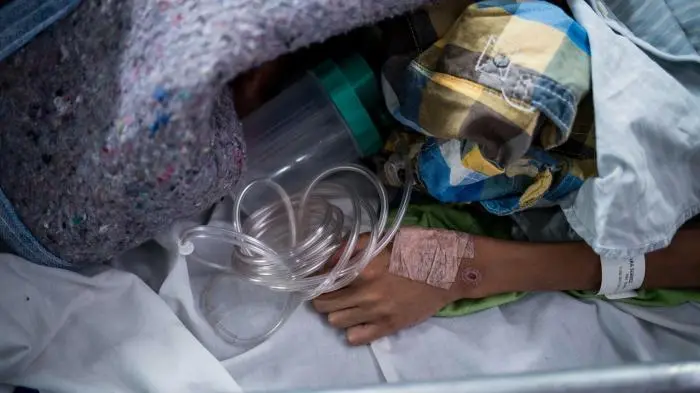
Venezuela is rapidly sliding toward a serious health‑system breakdown as international flight suspensions and sustained sanctions threaten the country’s access to vital medicines and medical supplies.
According to Huniades Urbina‑Medina, head of the national medical academy, the situation is grim: many hospitals across the country now carry only ten to fifteen days’ worth of essential medical stock. If the suspension of both passenger and cargo flights continues, he warns, hospitals may soon exhaust their reserves of critical drugs, emergency medicines, monitoring devices, and other medical essentials.
Venezuela’s health system — long reliant on imports of raw materials and finished medical goods — has been under enormous pressure after years of economic decline and chronic shortages. The scarcity is not new: over the past decade, shortages of insulin, antibiotics, anesthetics, and basic surgical supplies have become common.
For many patients, especially those requiring ongoing treatment for chronic disease such as diabetes or cancer, the collapse of the supply chain is more than an inconvenience — it is a matter of life and death. Reports indicate that thousands of people must now turn to informal or black‑market channels to obtain lifesaving drugs; often the medications obtained are expensive, unreliable, or simply substandard.
The crisis is aggravated by a parallel collapse in health‑care infrastructure: many public hospitals suffer from unreliable electricity and water supply, lack functional operating rooms or laboratories, and face a mass exodus of medical professionals seeking better opportunities abroad.
Also Read; Women’s Forum Maps Path to National Unity
The recent decision by several international airlines to suspend flights including cargo routes has only deepened the predicament. After a warning from aviation regulators about security risks, airlines halted service to Venezuela, prompting the government to revoke their operating licences. The result: importation of critical medical supplies has largely ground to a halt.
Health‑care experts and humanitarian organizations warn that if the situation does not improve rapidly, millions of Venezuelans could be deprived of essential care from emergency services to chronic disease management. The collapse of Venezuela’s pharmaceutical supply chain, coupled with the breakdown of hospital infrastructure, is increasingly being viewed as part of a broader humanitarian emergency.
This unfolding crisis offers a grim reminder of how international sanctions, geopolitical decisions, and logistical disruptions can combine to undermine a country’s basic health services. Without immediate efforts to reopen supply lines especially for medicines, medical equipment, and essential hospital materials the coming weeks may well prove catastrophic for vulnerable patients across Venezuela.