MWE Correspondent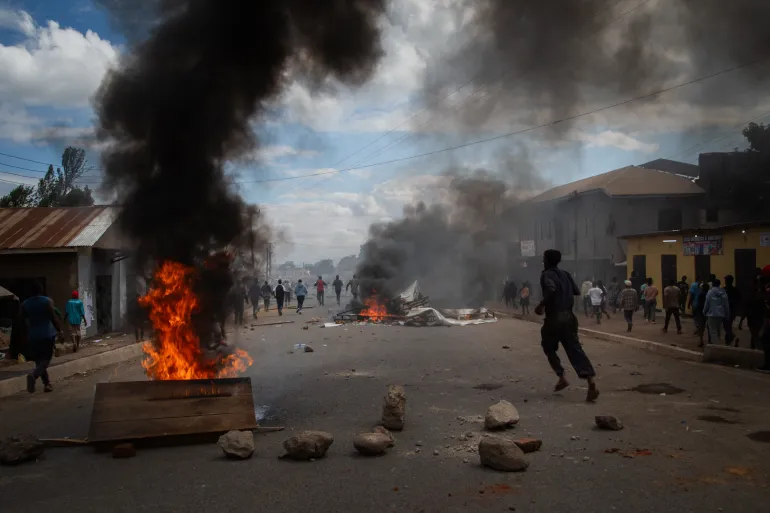
Tanzania’s independent commission has launched an investigation into the unrest that occurred during and after the 29 October 2025 general election.
The commission aims to uncover the causes of the disturbances, identify those responsible, and assess the social, economic, and human impact of the events.
Retired Chief Justice Mohamed Chande Othman, appointed to lead the commission, told journalists that the investigation will focus on understanding the motives of perpetrators and the objectives behind the violent acts. He emphasised that no detail will be overlooked, and the probe will also examine the actions taken by the government and security forces during and after the election.
“The goal is to establish the truth — who planned these acts, why they were carried out, and what outcomes were intended,” Othman said, outlining the commission’s mandate. He added that the inquiry will document casualties, injuries, property destruction, and broader economic and social consequences.
Observers say the commission’s work comes at a critical time, as questions linger about the exact number of fatalities and the extent of property damage during the unrest.
Also Read; Tanzania Weather Alert, Partly Cloudy Skies And Showers
Civil society organisations and international observers have called for a transparent process to restore public confidence and support reconciliation, in line with the African Union Election Observation Mission.
The commission has identified six core areas of focus, including evaluating the causes of the violence, examining the response of security forces, and assessing the effectiveness of government interventions. This follows national concern over conflicting reports regarding missing persons, alleged human rights violations, and the impact on local communities.
Opposition parties have expressed skepticism about the commission’s independence, calling instead for an international inquiry to ensure impartiality and accountability. Meanwhile, supporters insist that a thorough domestic investigation is critical to uncovering the truth and preventing future incidents.
The commission’s findings are expected to be closely monitored both locally and internationally. Analysts say that if the process is conducted transparently, it could strengthen democratic institutions and public trust. Conversely, any perceived lack of independence or transparency could deepen divisions and perpetuate mistrust among citizens.