Lyn Frans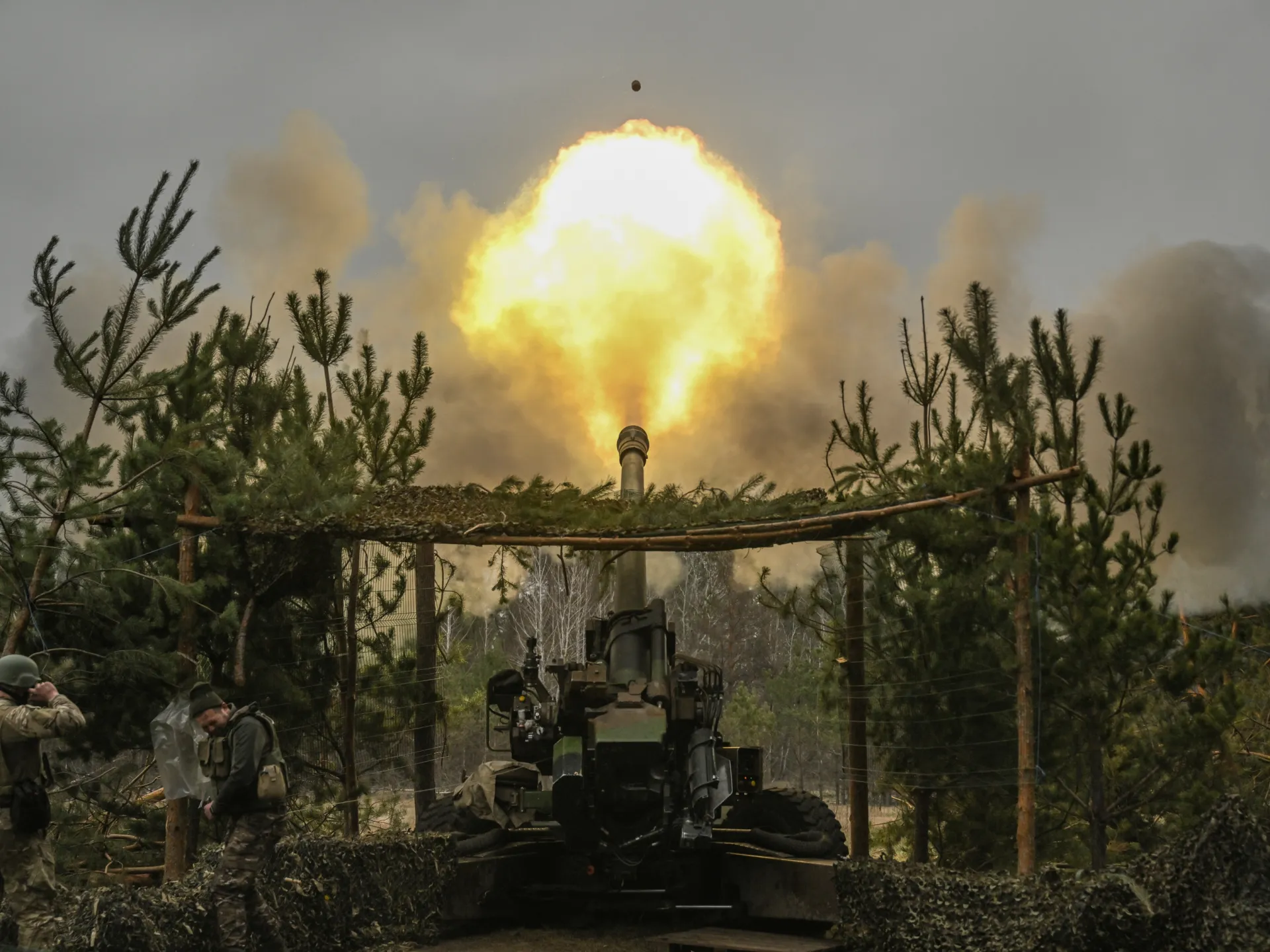
A growing chorus of voices across the Global South is questioning the legitimacy of Western-backed efforts to advance a peace plan for the war in Ukraine.
Critics argue that the initiative reveals long-standing inconsistencies in how the United States and Europe respond to conflicts, especially when compared to crises involving their own allies.
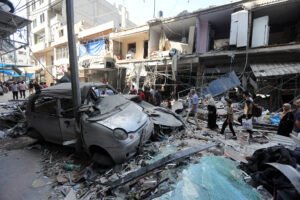
Analysts from Africa, Asia and Latin America say the initiative is widely viewed not as a neutral effort to end the war, but as a geopolitical strategy aimed at preserving Western influence. They note that similar levels of diplomacy, sanctions and global mobilisation were absent in crises in Gaza, Yemen, Libya, Iraq and the Sahel.
Kenyan scholar Prof. Patrick Loch Otieno Lumumba has questioned why the West mobilises outrage only when its own interests are threatened. His argument—“Where was this energy when millions died in the Congo, in Libya, in Iraq?”—reflects a growing sentiment across the continent.
Ugandan political theorist Prof. Mahmood Mamdani has argued that Western nations “moralise conflict in Europe while securitising crises in the Global South.” His view resonates as Europe pushes for peace conferences, sanctions and the diplomatic isolation of Russia—measures seldom applied to Western allies accused of abuses.
Across Africa, the contrast feels sharp. Former African Union ambassador to the United States Dr. Arikana Chihombori-Quao has said the mobilisation around Ukraine proves that “African suffering does not trigger global action unless foreign interests are at stake.” Diplomats add that the plan is seen as “less about ending the war and more about shaping its outcome.”
A senior African Union adviser noted that past crises—such as Libya in 2011, Iraq in 2003 and Rwanda in 1994—did not prompt comparable international summits or coordinated sanctions. “If peace was truly the priority, similar urgency would have been shown elsewhere,” the adviser said.
Indian historian Vijay Prashad argued that the Ukraine conflict has exposed a “hierarchy of human suffering” in Western consciousness. Europe welcomed Ukrainian refugees, while migrants from Africa and the Middle East continued to face detention and pushbacks.
Economically, rising fuel prices, disrupted grain markets and tightening financial conditions have hit poorer nations the hardest. Meanwhile, Western military spending continues to grow. South African economist Prof. Chris Landsberg warned that global financial institutions may be “weaponising economic governance” against African economies while ignoring Western wartime expenditure.
Also Read; When Justice Becomes A Weapon: Tz, and the Politics Of The ICC
Diplomatic pressure has increased as well. Tanzania, South Africa, Namibia, Uganda and Kenya have all faced lobbying over their UN voting positions. Former Tanzanian diplomat Dr. Ramadhani Dau called the trend “a return to Cold War diplomacy under a new name.”
Western governments argue that defending Ukraine is defending international law. But critics point to selective enforcement—highlighting that International Court of Justice rulings against Israel have not resulted in sanctions, and that Saudi operations in Yemen and France’s activities in the Sahel have drawn limited accountability.
Former UN special rapporteur Richard Falk described this pattern as “international law applied à la carte,” depending on the identity of the accused. Media analysts say Western narratives reinforce this bias—labeling Ukrainian resistance as “self-defence,” but Palestinian resistance as “terrorism.”
For many beyond Europe and North America, the Ukraine peace plan symbolizes deeper inequality in global governance—one where Western nations claim moral authority but apply it unevenly. Senegalese philosopher Felwine Sarr wrote, “A world built on asymmetry cannot demand symmetrical empathy.”
While the war remains devastating and peace is desperately needed, observers warn that any plan seen as exclusionary or politically driven will struggle to gain legitimacy outside the West. The central question is whether Western governments are ready to listen—or remain tied to a diplomatic model increasingly rejected by the rest of the world.