Joseph Isangura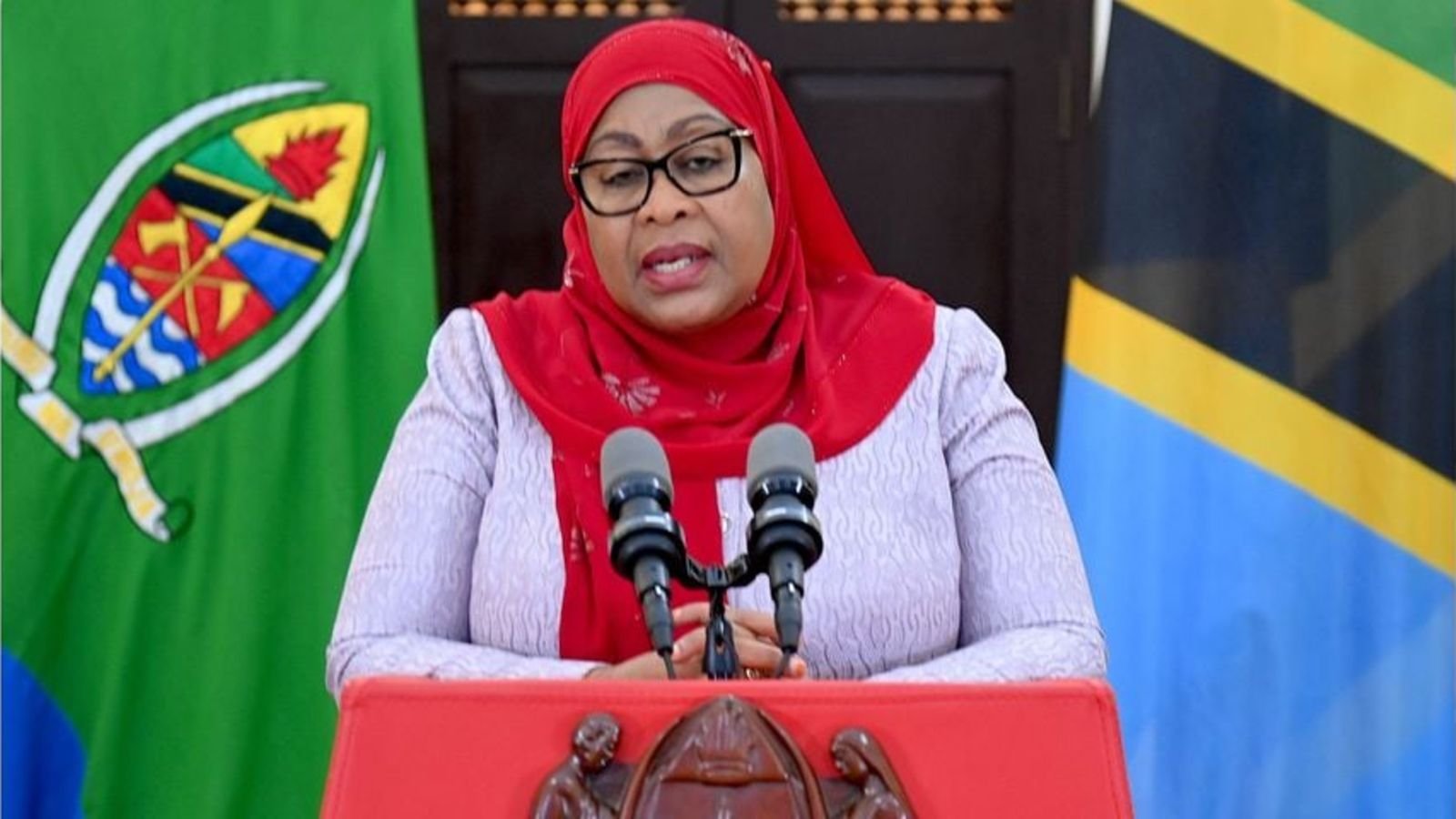
President Samia Suluhu Hassan has carried out one of the most significant cabinet reshuffles of her administration, relieving seven ministers of their posts while allowing them to retain their seats in Parliament.
The move signals a strategic effort to rejuvenate government leadership and strengthen performance in critical sectors.
Among those relieved of their ministerial duties are Dr Doto Biteko, former Deputy Prime Minister and Minister of Energy; Hussein Bashe, Minister of Agriculture; Innocent Bashungwa, Minister of Home Affairs; Jenista Mhagama, Minister of Health; Dr Seleman Jafo, Minister of Industry and Trade; Dr Pindi Chana, Minister of Natural Resources and Tourism; and Dr Damas Ndumbaro, Minister of Constitutional and Legal Affairs. Despite losing their ministerial roles, all seven will continue to represent their constituencies in the National Assembly of Tanzania, ensuring continuity in legislative work and preserving their political influence.
Political analysts interpret the reshuffle as a deliberate move by President Samia to inject fresh energy and ideas into her administration while maintaining balance within the ruling party. “This is a clear signal that performance and accountability are priorities,” said Professor John Mwangi, a political analyst in Dar es Salaam. “By keeping these former ministers in Parliament, the president preserves institutional memory while creating opportunities for new leadership in key ministries.”
The reshuffle follows President Samia’s re-election in October 2025, a period marked by political tension and public unrest. Observers suggest that the changes are part of a broader strategy to consolidate her second-term mandate and align her cabinet with long-term development goals.
Also Read; U.S. Tightens Visa Rules for Health and Financial Concerns
Ministries such as energy, health, and trade, previously managed by outgoing ministers, are critical to Tanzania’s economic growth and social development, making the decisions particularly significant.
While removing seven ministers may appear drastic, retaining them in Parliament reflects a careful balancing act by President Samia. By preserving experienced lawmakers in legislative roles, she ensures continuity and reduces the risk of internal political friction, while simultaneously introducing new ministers to drive policy implementation and innovation. Analysts note that this dual approach strengthens government efficiency and demonstrates responsive, dynamic leadership.
The implications of the reshuffle are multifaceted. Ministries with high-impact responsibilities, such as energy, health, and trade, are now expected to deliver more effective results under new leadership. The inclusion of fresh faces reflects a generational and ideological shift in governance, signaling evolving priorities and perspectives. At the same time, retaining former ministers in Parliament preserves institutional knowledge and maintains political stability within the ruling party.
Since assuming the presidency in March 2021, Samia Suluhu Hassan has overseen several cabinet changes. Political observers note that her approach has consistently combined strategic renewal with careful management of relationships, ensuring that experienced lawmakers remain engaged while new ministers are empowered to implement her development agenda.