MWE Correspondent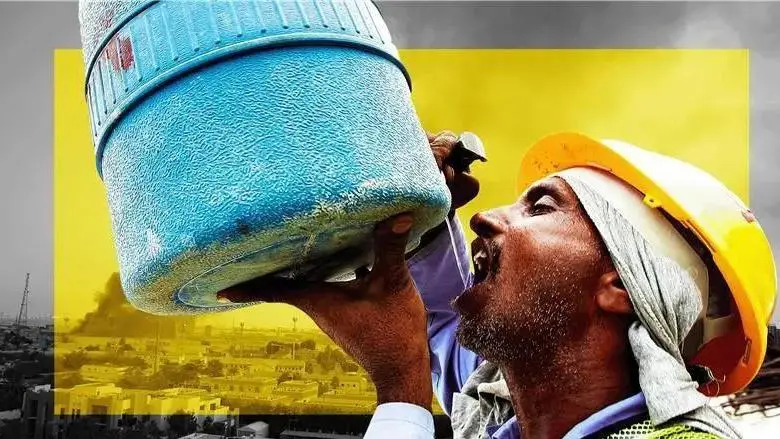
The escalating conflict between the United States, Israel, and Iran is shining a spotlight on a less obvious, yet critical resource: water. While global attention often focuses on oil in the Persian Gulf, experts now warn that water scarcity and the vulnerability of regional infrastructure may play a decisive role in the unfolding crisis.
For decades, nations along the Gulf have relied heavily on desalination to meet the needs of their populations and sustain agriculture. In Kuwait, nearly 90% of drinking water comes from desalinated sources, while Oman relies on 86%, Saudi Arabia on 70%, and the United Arab Emirates around 42%. With underground aquifers largely depleted, these engineered systems have become both essential and strategically sensitive.
“The Gulf’s water infrastructure is a silent target in a broader geopolitical struggle,” said Professor Marc Owen Jones from Northwestern University in Qatar. He notes that disruption to desalination plants or water distribution networks could have far-reaching consequences, from public safety to agricultural production, potentially influencing the decisions of governments involved in the conflict.
Recent reports suggest Iranian forces may have the capacity to strike critical water facilities in the region. Bahrain has accused Iran of targeting a desalination plant, while Tehran maintains such actions are retaliatory responses to prior attacks by U.S. forces on Iranian installations, including Qeshm Island in the Strait of Hormuz. Ports and water plants in Dubai and Kuwait have reportedly sustained minor damage amid escalating tensions.
Experts stress that the stakes extend beyond immediate shortages. Water scarcity has historically been used as leverage during conflicts, and any intentional disruption could trigger humanitarian crises, economic instability, and forced migration. Iran itself faces mounting environmental pressures: long-standing droughts, shrinking reservoirs like Lake Urmia, and mismanaged irrigation systems have left large portions of the country vulnerable even before the current conflict began.
Also Read; Congo Launches Special Court to Fight Corruption
Regional tensions further complicate matters. Shared rivers and water systems with Afghanistan, Iraq, and Turkey have already caused disputes over allocation, while prolonged droughts and the demands of urban populations exacerbate vulnerability. Analysts warn that in a region where water and oil often intersect, access to freshwater resources could become as strategically valuable as petroleum, redefining power dynamics in the Middle East.
“The next generation in the Gulf may inherit a world where water is as contested as oil,” Professor Kaveh Madani of the United Nations University Institute for Water, Environment and Health said. He warns that mismanagement or attacks on water systems could escalate conflicts and worsen humanitarian conditions, especially in urban centers reliant on desalination.
As policymakers weigh military and diplomatic options, the unfolding situation illustrates a broader truth: controlling water is not only essential for survival but also a potential lever of geopolitical influence. Protecting this vital resource has become a strategic priority for nations in the Gulf, with implications for regional stability, international relations, and global food security.
Persian Gulf experts agree that water management, infrastructure resilience, and cross-border cooperation are now as critical to national security as energy policy. In this new landscape, ensuring the availability and security of freshwater resources may determine not just the outcome of current conflicts, but the future resilience of entire societies.