MWE Correspondent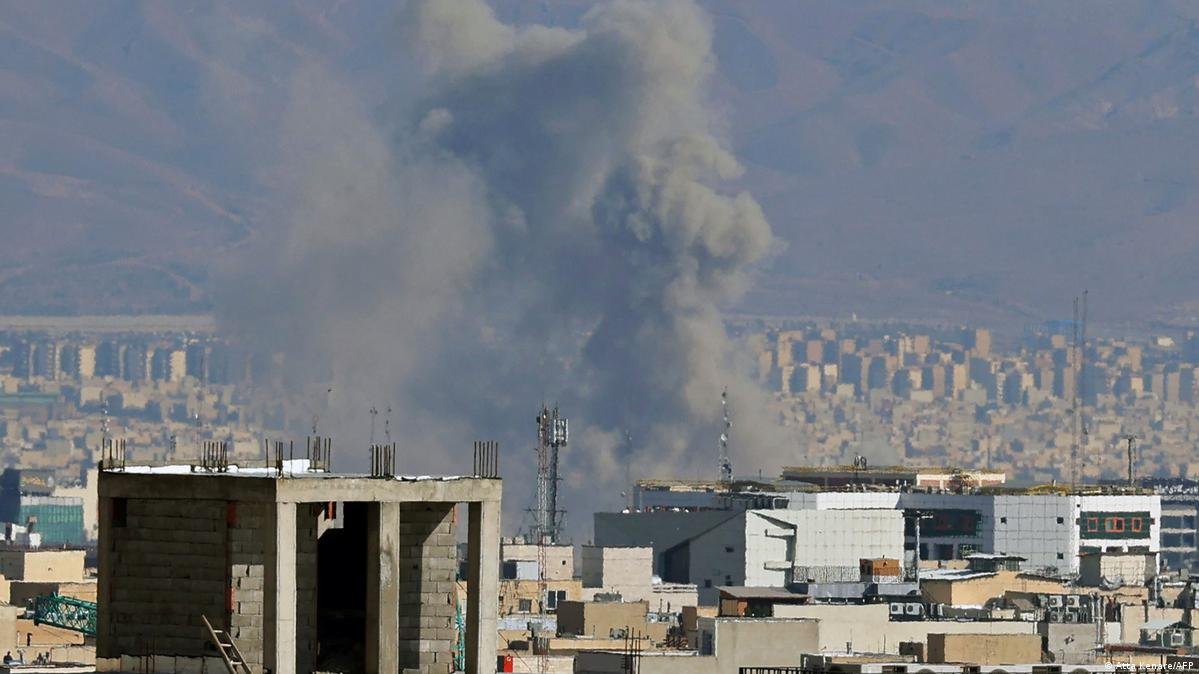
Fighting between the United States, Israel and Iran has entered its second week, with continued airstrikes on the Iranian capital and growing fears that the conflict could widen across the Middle East.
Military officials in Washington say the joint campaign by American and Israeli forces has targeted thousands of sites across Iran since the fighting began. The strikes are believed to focus mainly on military installations, missile facilities and strategic command centers linked to Iran’s armed forces.
Speaking during a briefing on the ongoing operation, U.S. Defense Secretary Pete Hegseth said the coordinated attacks had struck roughly 15,000 targets since the beginning of the conflict. According to him, the goal of the operation is to weaken Iran’s military capabilities and limit its ability to launch missile and drone attacks across the region.
Hegseth also claimed that Iran’s newly elevated religious leader, Mojtaba Khamenei, was seriously wounded during one of the recent strikes. He suggested that the cleric is now believed to be hiding while recovering from injuries sustained during the attack.
Iranian authorities have not fully confirmed those claims, though some officials have acknowledged that the leader was injured. State media in Tehran insists that the country’s leadership structure remains intact and that government operations continue normally despite the ongoing bombardment.
The latest escalation comes after weeks of mounting tensions that eventually erupted into open conflict between Iran and the two allied powers. Analysts say the confrontation could mark one of the most serious military crises in the region in recent years, with the potential to reshape the balance of power across the Middle East.
At the same time, Iran has continued to respond with missile strikes aimed at targets across the Gulf region. On Friday, Iranian forces reportedly launched missiles toward several neighboring states, including Saudi Arabia and Oman, raising concerns that the war could expand beyond its current front lines.
In a statement released from Tehran, Mojtaba Khamenei warned countries hosting American military bases that those facilities could remain targets if they continue to operate during the conflict. He urged governments in the region to shut down the bases, arguing that they have become part of the military infrastructure supporting attacks on Iran.
Security experts say the warning reflects Tehran’s broader strategy of pressuring regional governments to distance themselves from U.S. military operations. Many Gulf states host American forces or allow the use of strategic bases that support operations in the Middle East.
The conflict has also raised alarm in global energy markets. Iran sits near the strategic Strait of Hormuz, one of the world’s most important shipping routes for oil and gas. Any disruption in the area could affect energy supplies and push global prices higher.
So far, diplomatic efforts aimed at easing tensions have produced little progress. International observers say both sides appear determined to continue military operations, even as pressure grows for negotiations.
With airstrikes continuing and missile launches reported across the region, the situation remains highly volatile. Analysts warn that unless diplomatic channels open soon, the conflict could deepen further and draw more countries into an already fragile regional crisis.