MWE Correspondent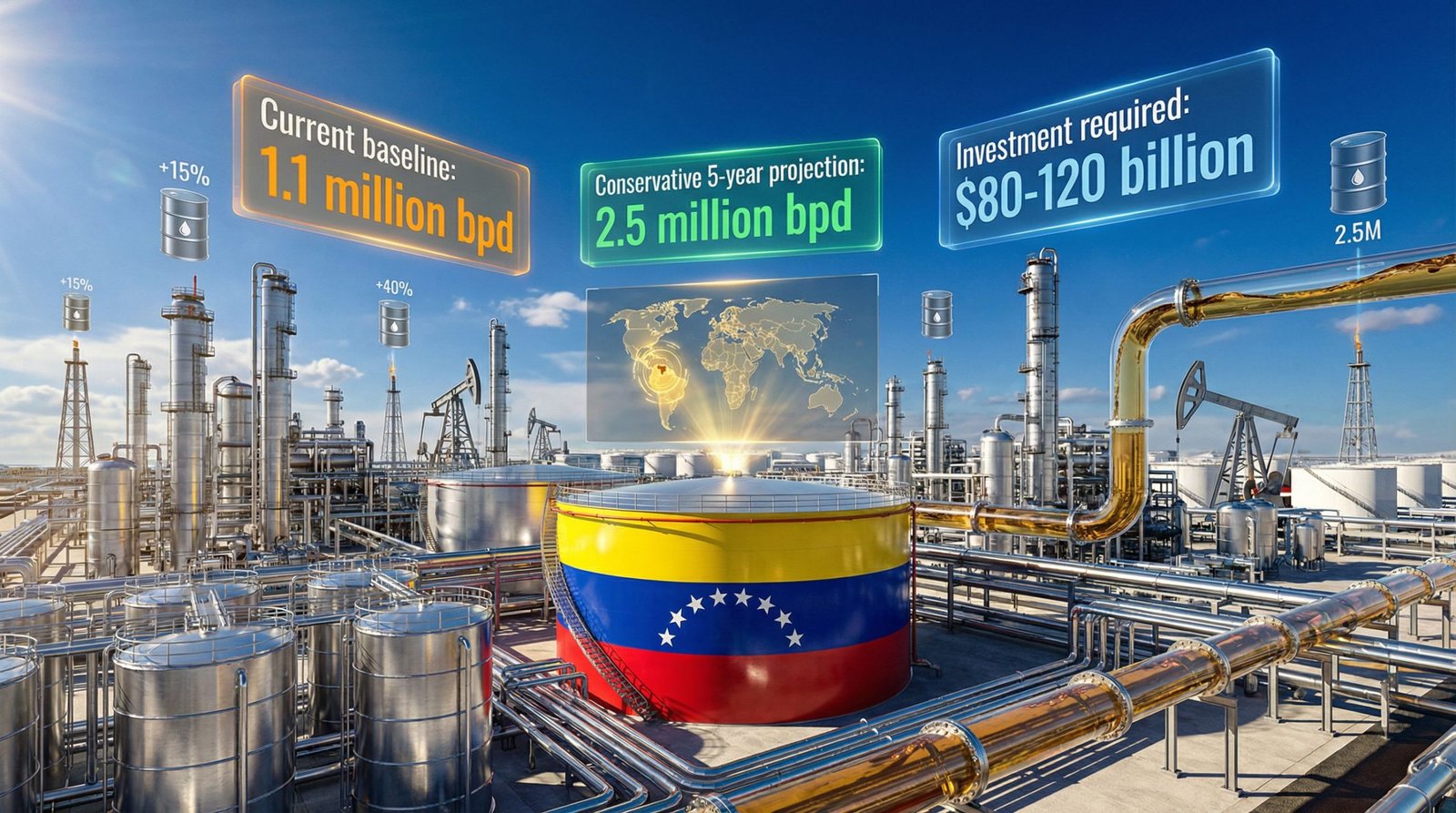
For decades, Venezuela’s extraordinary oil wealth has been widely discussed but rarely fully understood outside energy circles.
The South American nation holds the largest proven oil reserves in the world, estimated at nearly 300 billion barrels, surpassing even Saudi Arabia. These reserves represent energy assets worth several trillion dollars at current market prices, making Venezuela a central focus in global energy and geopolitical strategy.
Much of this resource is concentrated in the Orinoco Belt, known for its heavy and extra-heavy crude. Extracting and refining this type of oil requires advanced technology, substantial investment, and stable infrastructure. Years of economic strain, sanctions, and limited reinvestment have sharply reduced output, leaving production far below historical levels and weakening Venezuela’s once-strong global energy position.
Also Read: Late Night Tension Grips Burkina Faso Capital
Recent political and diplomatic developments suggest that Venezuela’s energy sector could be approaching a critical turning point. Signals from Washington indicate readiness to support the restructuring of the country’s oil and energy systems during any transitional period, emphasizing technical assistance and regulatory reforms as key pillars for recovery if broader political conditions allow.
A revival of the oil sector would be a significant shift. Once a reliable supplier to international markets, Venezuela now faces aging infrastructure, declining maintenance, and the loss of skilled workers. Experts warn that returning production to competitive levels could take years, requiring substantial capital, legal clarity, and institutional reforms.
The global implications are significant. As global oil markets remain sensitive to geopolitical shocks, any sustained increase in Venezuelan output could influence regional supply and price dynamics. Refineries equipped to process heavy crude would benefit immediately, while broader increases in supply could help stabilize international prices during periods of volatility.
Beyond economics, the future of Venezuela’s oil industry raises questions of governance and sustainable development. Oil revenues have historically funded ambitious social programs but also fostered dependency on a single commodity. Analysts stress that any recovery must be coupled with transparency, diversification, and long-term strategic planning to avoid repeating previous cycles of boom and bust.