MWE Correspondent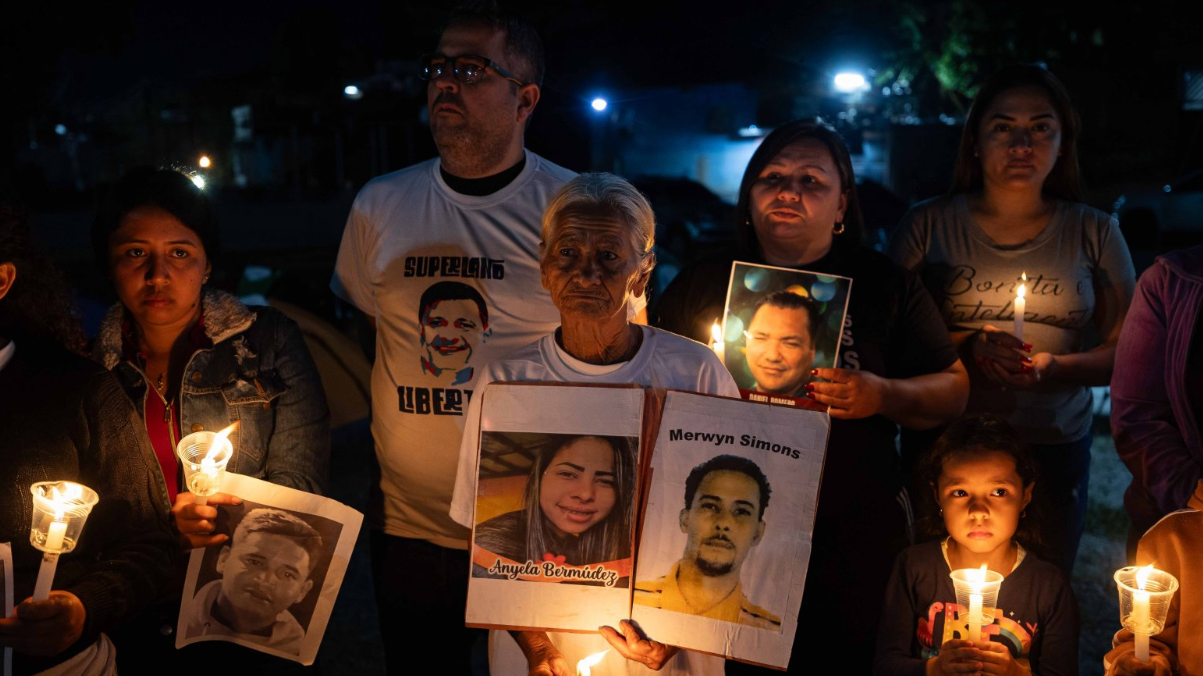
Venezuela has begun freeing dozens of political detainees in what rights groups describe as a significant — though still limited — step following mounting international pressure and a dramatic shift in the country’s political landscape.
Human rights organization Foro Penal confirmed that around 80 political prisoners were released over the weekend, with more cases still being verified as families continue to report new arrivals home. The group’s director, Alfredo Romero, said the number could rise in the coming days as documentation is reviewed and prison records are cross-checked.
Among those freed is activist Kennedy Tejeda, who had been held at the notorious Tocorón prison since August 2024 — a facility long criticized by rights organizations for overcrowding and harsh conditions.
The releases come at a tense moment for the South American nation following the arrest of former president Nicolás Maduro by U.S. authorities earlier this month. Maduro was transferred to New York to face charges related to drug trafficking and terrorism-linked financial activities, marking one of the most dramatic political developments in Venezuela’s modern history.
Since Maduro’s removal, an interim government led by Delcy Rodríguez has taken charge, promising national reconciliation while also pushing back against what it describes as foreign interference. On Friday, Rodríguez claimed that more than 600 prisoners had already been released — a figure that Foro Penal disputes, saying the verified number of political detainees freed remains far lower.
“This process is real, but the official numbers are clearly inflated,” Romero said in a statement. “We are confirming each case carefully to distinguish political prisoners from ordinary detainees who may have received conditional releases.”
Also Read; Senegal Prime Minister to Visit Morocco After AFCON Final
Many of those imprisoned were arrested during widespread protests that followed Venezuela’s disputed 2024 presidential election. Maduro declared victory at the time despite allegations of vote rigging and strong objections from opposition leaders and Western governments. Authorities insisted those detained were criminals involved in violence, while human rights groups maintained they were peaceful demonstrators, activists, journalists, and government critics targeted for dissent.
International pressure has intensified in recent weeks, particularly from the United States, which has urged Caracas to release all political prisoners as a sign of commitment to democratic reform and respect for human rights. Advocacy groups say arbitrary detentions have long been used as a political tool in Venezuela, drawing condemnation from bodies such as the United Nations Human Rights Council.
Families of detainees have gathered outside prisons across the country, many waiting for days with little information. Tearful reunions have been reported in several cities as loved ones emerged after months — and in some cases years — behind bars.
Despite the releases, rights organizations estimate that hundreds of political prisoners remain incarcerated. Some NGOs place the figure at more than 800, warning that without transparent legal processes and independent oversight, abuses could continue even under new leadership.
Political analysts say the prisoner releases are being closely watched as an early test of Venezuela’s political transition. While some see the move as a hopeful signal, others caution that true reform will depend on broader judicial independence, free elections, and guarantees of civil liberties.
“For many Venezuelans, this is about more than just releasing detainees,” said a regional political observer. “It’s about whether the country is finally turning a page on years of repression.”