MWE Correspondent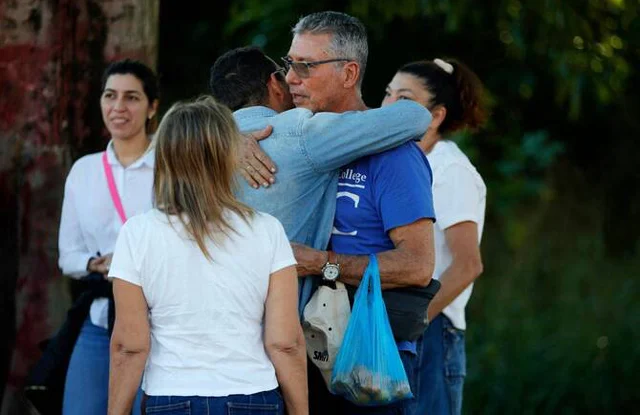
Venezuela’s interim government has begun freeing a number of prisoners previously held for political reasons, signaling a potential shift in the nation’s approach to human rights and governance during a period of national transition.
Authorities describe the move as a “gesture of goodwill” aimed at fostering peace and easing tensions after months of political upheaval.
The announcement was made Thursday by Jorge Rodríguez, Speaker of the National Assembly, who emphasized that the releases are part of a broader effort to encourage “peaceful coexistence” and national reconciliation. Although exact numbers have not been disclosed, reports indicate that Venezuelan citizens and foreign nationals alike are among those freed, sparking hope among families and human rights advocates.
Among the beneficiaries are five Spanish nationals, including prominent human rights lawyer Rocío San Miguel, whose release has been welcomed internationally as a positive first step toward addressing longstanding criticisms over Venezuela’s treatment of political prisoners. Families gathered outside prisons in Caracas and other cities, cautiously celebrating the news while noting that hundreds of detainees remain incarcerated.
The releases follow a dramatic series of developments that have shaken the country. Earlier this month, former President Nicolás Maduro was captured in Caracas by U.S. authorities and transported to New York, where he faces federal drug-trafficking charges. The unprecedented operation sent shockwaves through Venezuela, highlighting the fragile state of the nation’s political order and intensifying international scrutiny.
Government officials have framed the prisoner releases as a step toward restoring Venezuela’s image on the global stage and addressing calls from foreign governments and international organizations advocating for human rights reforms. Analysts, however, caution that while the gesture is symbolically significant, its impact may be limited unless accompanied by broader legal and political reforms.
Venezuela has long faced criticism from international watchdogs, including Human Rights Watch, for its treatment of political opponents, activists, and journalists. Following the contested 2024 elections, opposition protests were met with mass arrests, and numerous individuals were detained without trial or legal safeguards. The interim government’s decision to release prisoners is seen as an effort to begin addressing these criticisms, though observers note that accountability and systemic reform remain incomplete.
Also Read; DR Congo Relaxes Mining Restrictions After Kolwezi Protests
Diplomatic considerations also play a role. The presence of foreign nationals among the released prisoners, particularly from Spain, highlights the international dimension of the issue. Spanish authorities have welcomed the move and are assisting with consular support to ensure the safe return of their citizens. The releases may also serve to ease tensions between Caracas and Western capitals that have long pressured the Venezuelan government on human rights and political freedoms.
For families and civil society advocates, the releases offer a rare cause for optimism. Many have waited months, even years, for news of their loved ones’ fate. Yet the continuing detention of hundreds of political prisoners serves as a reminder that Venezuela’s path toward reconciliation and reform remains uncertain.
As the situation continues to unfold, the international community is closely monitoring developments in Venezuela. The releases highlight the complexities of governing amid political transition, balancing domestic pressures with global expectations, and navigating the ongoing fallout from extraordinary events that have reshaped the country’s political landscape.
While the gesture is a start, analysts caution that meaningful change will require sustained attention, systemic reforms, and a genuine commitment to uphold human rights and democratic principles in one of Latin America’s most politically turbulent nations.