MWE Correspondent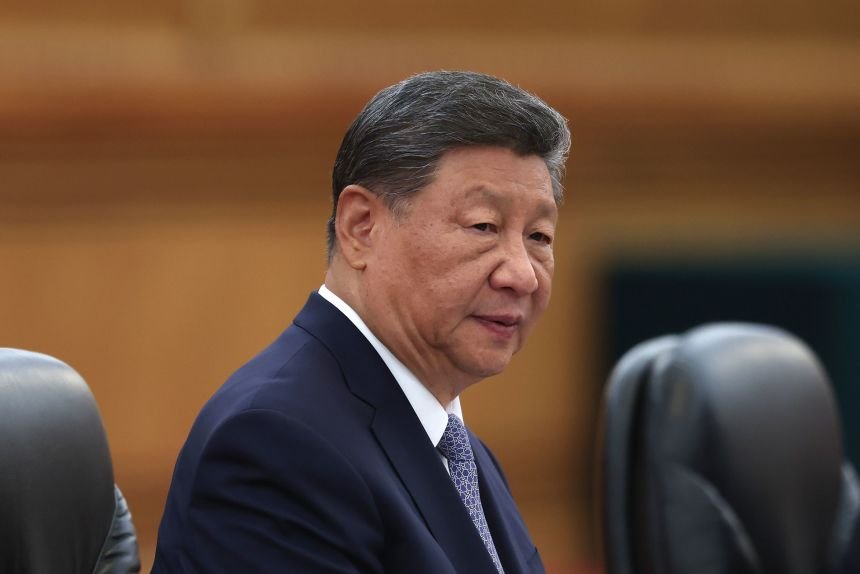
A recent United States military operation that led to the arrest of Venezuelan President Nicolás Maduro has revealed a broader strategic message aimed at China, underscoring Washington’s determination to curb Beijing’s expanding influence across the Americas.
According to officials familiar with the matter, the operation was not only designed to dismantle alleged criminal networks linked to the Venezuelan leadership but also to signal that the United States views China’s deepening presence in Latin America as a direct geopolitical challenge. For years, U.S. policymakers have expressed concern that Beijing is steadily building economic, political and strategic leverage in a region long considered vital to American interests.
Over the past two decades, China has significantly increased its footprint in Latin America through infrastructure investment, energy partnerships and military-linked projects. These efforts have ranged from port construction and railway financing to the establishment of strategic facilities such as satellite tracking stations. Support for Venezuela, particularly through oil-backed loans and long-term supply agreements, has been one of the most visible examples of China’s approach to expanding its global reach.
Successive U.S. administrations have viewed this trajectory with growing unease. Officials argue that Beijing’s strategy goes beyond economics, giving China a strategic foothold close to U.S. borders while strengthening ties with governments often at odds with Washington. The arrest of Maduro, a key regional ally of Beijing, is therefore being interpreted as a move intended to disrupt that network and reassert U.S. influence in the Western Hemisphere.
President Donald Trump made the message explicit in remarks to business leaders, saying the United States has no interest in seeing rival powers establish a permanent presence “next door.” While emphasizing that Washington can maintain constructive relations with both China and Russia, Trump stressed that their activities in the Americas cross a strategic red line.
Also Read; China Urges Diplomacy, Rejects Foreign Interference Pressure
He also signaled that the U.S. is prepared to position itself as a reliable alternative supplier in global energy markets, encouraging countries to reduce dependence on politically sensitive sources.
China, for its part, has rejected what it describes as U.S. interference and unilateralism. Beijing maintains that its engagement with Latin America is based on mutual benefit, development and respect for sovereignty. Chinese officials have warned that attempts to block economic cooperation could heighten tensions and undermine regional stability.
The developments come at a time of heightened global rivalry, with Latin America increasingly caught between competing powers. Analysts note that the region’s vast natural resources, growing consumer markets and strategic geography make it an important arena in the broader contest between Washington and Beijing. Countries across the hemisphere are now navigating a delicate balance, seeking investment and trade opportunities while avoiding becoming entangled in major power confrontations.
As the situation continues to unfold, the arrest of Maduro is likely to have far-reaching consequences, not only for Venezuela’s political future but also for the evolving geopolitics of Latin America. For the United States, the operation represents a clear statement of intent: to reassert influence in the region and push back against rivals it believes are encroaching too close to home.