MWE Correspondent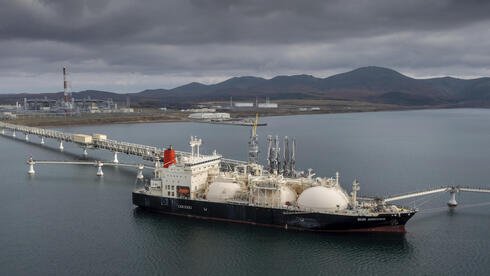
The United States has moved to ease restrictions on Iranian oil exports that have been stranded on tankers, in a calculated effort by the administration of President Donald Trump to stabilize rising global energy prices.
The decision effectively allows previously sanctioned shipments of Iranian crude — which had remained idle at sea due to strict economic sanctions — to re-enter international markets. Analysts say the move reflects growing concern in Washington over the impact of escalating geopolitical tensions on global oil supply.
Officials familiar with the policy shift indicate that the release of these oil reserves is intended to increase supply in the short term, thereby easing pressure on prices that have surged amid ongoing conflict in the Middle East. The administration is seeking to prevent further volatility in the global oil market, particularly as disruptions threaten key shipping routes.
The timing of the decision is significant, coming as tensions involving Iran, the United States, and Israel continue to escalate. Concerns over potential disruptions in the Strait of Hormuz, a critical chokepoint for global oil transport, have contributed to uncertainty in energy markets.
By allowing the release of Iranian oil already in storage aboard tankers, the United States appears to be balancing its broader strategy of maintaining pressure on Tehran while mitigating economic fallout at home and abroad. The move stops short of a full rollback of sanctions but signals a more flexible approach under current conditions.
Energy analysts note that the availability of additional supply could provide temporary relief to markets, particularly if tensions continue to threaten production and transportation. However, they caution that such measures may have limited long-term impact unless broader geopolitical risks are addressed.
The policy shift also highlights the complex interplay between foreign policy and economic considerations. While sanctions have been a key tool in Washington’s approach toward Iran, the need to maintain stable energy prices — especially during periods of conflict — has introduced new pressures.
Critics argue that easing sanctions, even partially, could weaken the broader strategy aimed at curbing Iran’s influence in the region. Supporters, however, contend that the move is a pragmatic step designed to protect global economic stability without fully abandoning existing policies.
As markets react to the development, attention is now focused on whether the measure will succeed in stabilizing prices or whether further action will be required. Much will depend on how the broader conflict evolves and whether key supply routes remain open.
The decision underscores the delicate balance facing policymakers, as they navigate competing priorities of geopolitical strategy and economic stability in an increasingly volatile global environment.