MWE Correspondent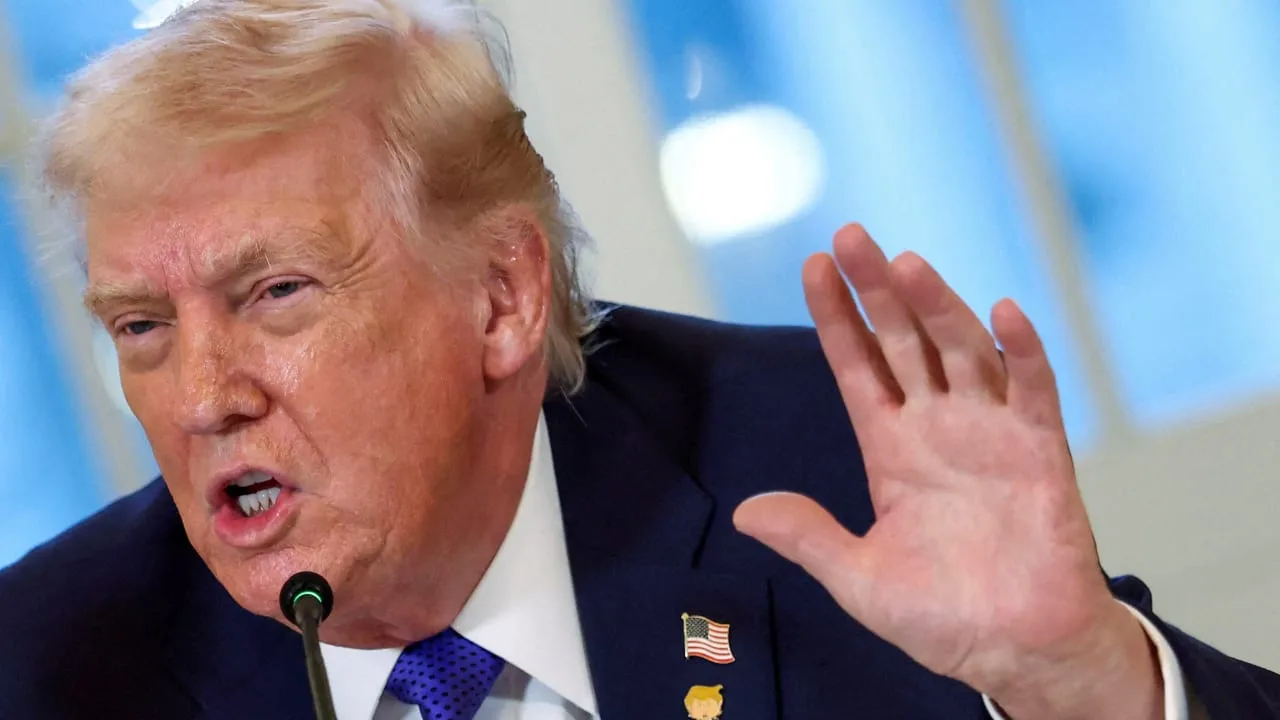
The United States has insisted that President Donald Trump has not dismissed the possibility of a military strike against Iran, even as his administration moves forward with punitive economic measures against Tehran.
Washington’s comments come at a time of heightened tensions between the two nations, including the imposition of a 25 percent tariff on goods from countries that continue to trade with Iran.
In an official statement from the White House, a senior administration spokesperson said Trump remains open to all options, including military action, should Iran’s behaviour justify such a response. The comments were issued alongside a broader announcement outlining the new tariff regime, which U.S. officials say is designed to exert maximum pressure on Tehran’s government and force it to change course.
Since returning to power, President Trump has intensified pressure on Iran through a combination of economic sanctions, diplomatic isolation and threats of force. Last year, he ordered U.S. military forces to strike several sites associated with Iran’s nuclear and missile programmes, a move that drew criticism from some global leaders and fuelled fears of wider conflict. Analysts say these strikes, coupled with sweeping economic penalties, are part of a broader strategy to weaken Tehran’s ability to develop advanced weapons systems and assert its influence in the Middle East. For background on these tensions, see Iran–United States relations.
The tariff policy, announced recently by administration officials, imposes a 25 percent duty on all goods imported into the United States from countries that continue business ties with Iran. According to Washington, the measure is intended to deter foreign firms and governments from economically enabling Tehran’s strategic programmes, effectively isolating Iran from global markets. Critics argue the tariffs could also disrupt international trade and harm global supply chains, particularly in regions with strong commercial links to both Washington and Tehran. For context on global trade mechanisms, see International trade.
The prospect of a military strike remains a point of contention within international diplomatic circles. Iranian officials have repeatedly condemned U.S. rhetoric, asserting that any attack on Iranian territory would be met with firm resistance. Tehran also insists that its nuclear programme and defence posture are pursued for defensive purposes, not offensive aggression.
Also Read; China Urges Diplomacy, Rejects Foreign Interference Pressure
Meanwhile, regional powers have called for restraint from all sides, warning that a broader conflict could destabilise the Middle East and have ripple effects across global energy markets.
Tensions between Washington and Tehran have deep historical roots, stretching back to the 1979 Iranian Revolution and the subsequent U.S. embassy hostage crisis. The relationship has been marked by cycles of confrontation, sanctions, limited diplomacy and mutual mistrust. Recent developments, however, have brought the two powers to perhaps their most volatile point in decades, with both economic measures and military threats contributing to an atmosphere of uncertainty and fear among international observers.
In Washington, Trump administration officials have defended their approach, saying that only a combination of robust economic pressure and credible military deterrence can compel Tehran to negotiate on issues ranging from its nuclear ambitions to its support for proxy groups in the region. They argue that the new tariffs are part of a comprehensive strategy aimed at diminishing Iran’s capacity to fund and execute activities the U.S. deems destabilising.
The global community continues to watch closely as the situation evolves. With geopolitical tensions high and diplomatic channels strained, the risk of miscalculation looms large. Whether economic sanctions or potential military action will succeed in compelling a strategic realignment in Tehran remains uncertain, but the stakes—regional stability, international trade and global security—could not be higher.