MWE Correspondent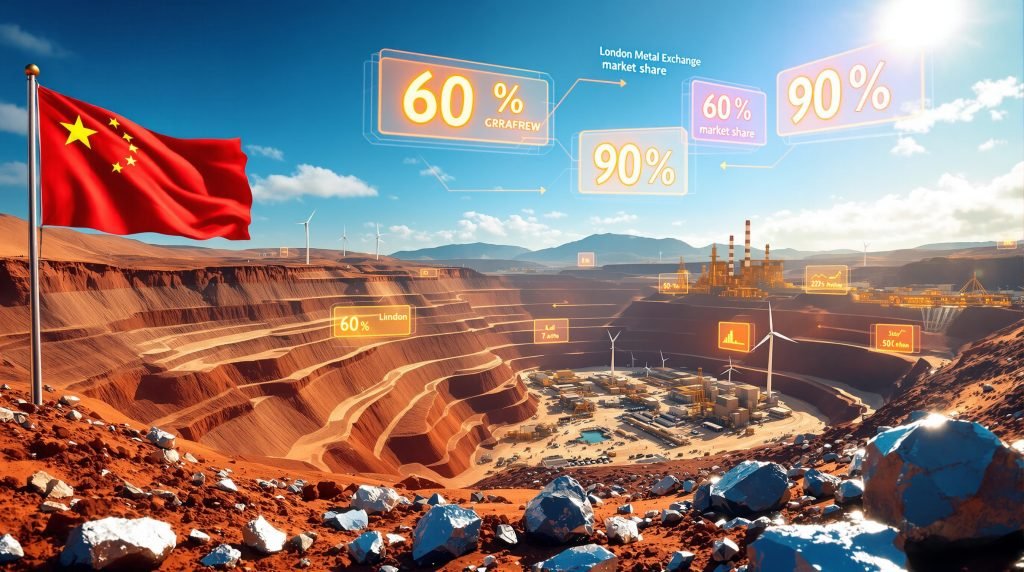
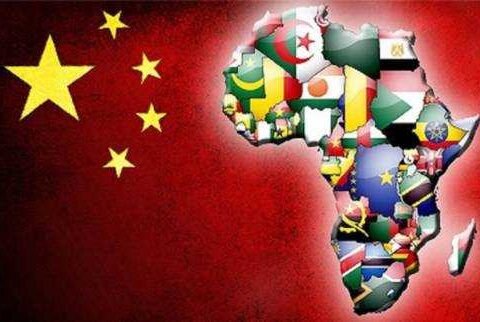
Competition between the United States and China over Africa’s critical minerals is intensifying, placing the continent at the center of a strategic global supply chain battle.
Rare earth elements, cobalt, lithium, and other critical metals — essential for electric vehicles, renewable energy systems, and advanced defense technologies — have become central to 21st-century economic power. Africa holds some of the world’s largest reserves, particularly in countries such as the Democratic Republic of Congo, Zimbabwe, Namibia, and Tanzania.
China currently dominates global processing capacity for many rare earths and battery minerals. Through long-term investments, infrastructure financing, and mining partnerships, Beijing has secured significant influence in African extraction industries over the past two decades. Western governments now view that dominance as a strategic vulnerability.
Washington has responded by increasing diplomatic engagement, offering alternative financing models, and encouraging private sector investment to diversify mineral supply chains. The Biden administration’s critical minerals strategy, aligned with European partners, aims to reduce reliance on Chinese processing and expand sourcing from African producers.
Also Read:
The geopolitical stakes are high. Control over these minerals directly affects the transition to clean energy and the competitiveness of manufacturing sectors. For African nations, however, the competition presents both opportunity and risk.
Many African policymakers argue that the continent must move beyond exporting raw materials. There is growing emphasis on local value addition — refining, battery manufacturing, and downstream processing — to prevent a repeat of historical patterns where raw resources leave Africa while finished products return at a premium.
Institutions such as the African Union have increasingly promoted industrialization strategies that prioritize regional processing hubs. Leaders contend that without stronger regulatory frameworks and domestic beneficiation policies, Africa risks remaining a battleground for external powers rather than a beneficiary of resource wealth.
Environmental concerns are also mounting. Mining expansion often raises issues related to land degradation, water contamination, and displacement of communities. Civil society groups warn that without strict environmental safeguards, the rush for critical minerals could deepen social tensions.
Economically, governments face complex decisions. Chinese financing has often been praised for rapid infrastructure delivery, while Western-backed initiatives emphasize governance standards and transparency. Balancing these competing models requires careful negotiation to safeguard sovereignty while attracting investment.
Analysts note that the rivalry is unlikely to ease soon. As global demand for electric vehicles and renewable energy infrastructure accelerates, competition for supply security will intensify.
For African leaders, the challenge is clear: transform geopolitical competition into strategic leverage. By strengthening mining codes, negotiating fair royalties, and investing in domestic industrial capacity, the continent can shift from being a resource supplier to becoming a key player in global energy transformation.
The outcome of this rivalry will shape not only global power balances but also Africa’s economic trajectory for decades to come.