MWE Correspondent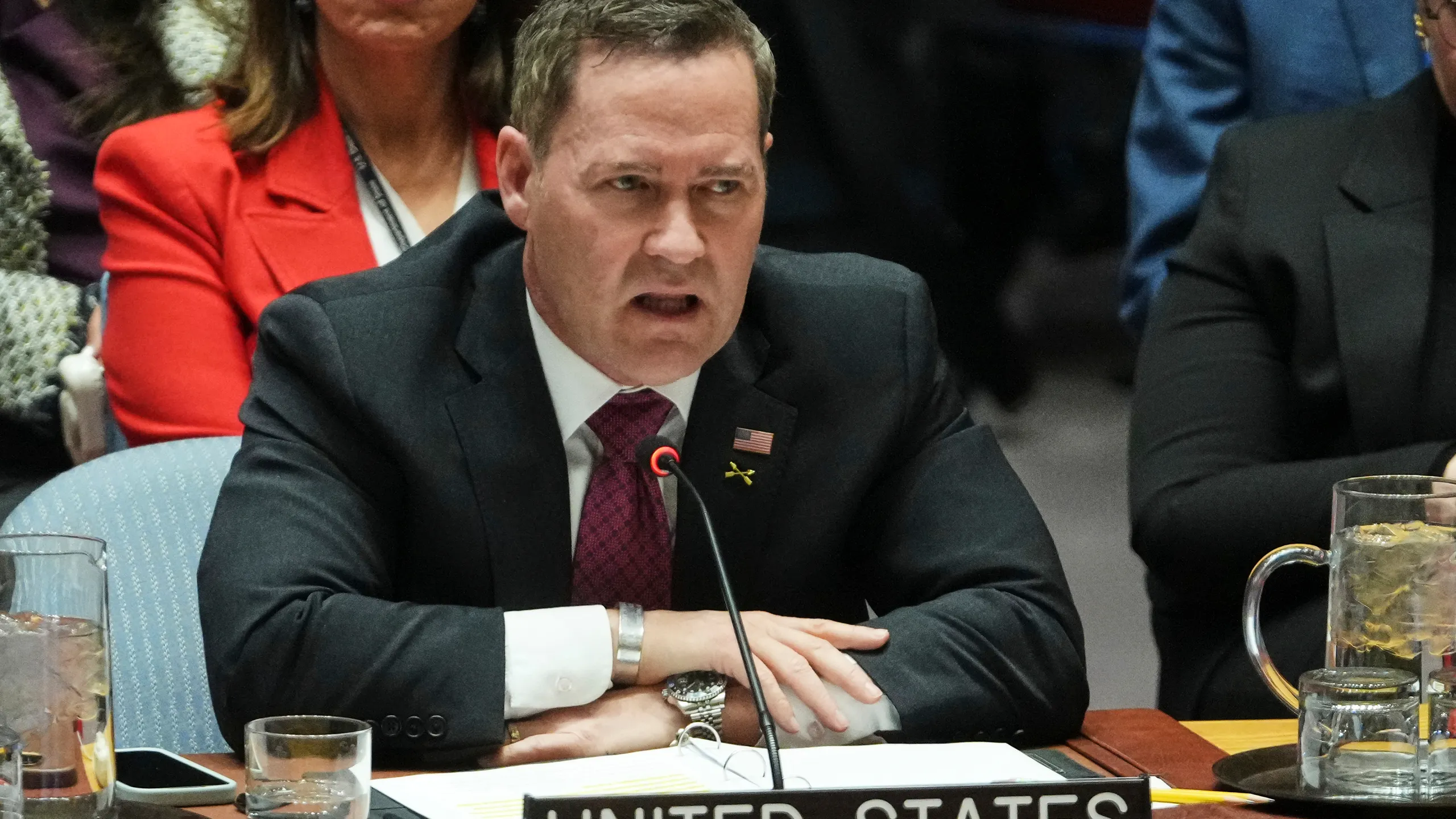
The United States administration has announced plans to withdraw from dozens of international organizations, a decision that signals a major shift in how Washington intends to engage with the rest of the world and manage its role in global affairs.
According to officials, the planned move would see the country step away from a total of 66 international bodies, including more than 30 entities linked to the United Nations system and several others operating outside the UN framework. The administration says the decision follows an internal review of America’s participation in multilateral institutions, with a focus on cost, effectiveness, and alignment with national priorities.
Government officials argue that many international organizations have drifted away from their original mandates, becoming overly bureaucratic while delivering limited value to the United States. They maintain that the country has shouldered a large share of financial and political responsibility in global institutions without seeing proportional benefits in return. As a result, the administration says it is time to rethink long-standing commitments and redirect resources toward domestic needs and more flexible forms of international cooperation.
The announcement represents one of the most significant changes to U.S. foreign policy in recent years. Rather than relying on broad multilateral platforms, officials say the administration prefers bilateral and smaller-scale partnerships that allow for quicker decision-making and clearer outcomes. They insist that the move should not be interpreted as a retreat from global engagement, but rather as a rebalancing of how the United States participates internationally.
Still, the decision has raised concerns among diplomats and foreign policy analysts, who warn that withdrawing from global institutions could reduce Washington’s influence on key international issues. Organizations under the United Nations umbrella play a central role in areas such as peacekeeping, humanitarian response, health coordination, and development policy. Critics argue that reduced U.S. participation could weaken these efforts and create space for other global powers to shape agendas and standards.
Also Read; Iran Leader Condemns Protests Amid Rising Political Tensions
There are also concerns about the broader implications for multilateralism, a system that relies on cooperation among many countries to address shared challenges. Analysts note that global problems such as armed conflicts, migration, pandemics, and climate-related disasters are difficult to manage without strong international coordination. Stepping away from established institutions, they argue, could make collective responses slower and less effective.
International reaction has been mixed. Some governments have expressed unease, saying the move risks undermining decades of cooperation and could strain institutions that already face financial and political pressure. Others have taken a wait-and-see approach, noting that the practical impact will depend on how quickly the withdrawals are carried out and whether the United States leaves room for future engagement.
At home, the announcement has revived debate over the balance between national sovereignty and international responsibility. Supporters of the move see it as a necessary correction, arguing that the country should have greater control over its spending and policy choices. Opponents counter that influence on the global stage often comes from being present inside institutions, not outside them.
Foreign policy experts point out that stepping away from international organizations does not automatically insulate the United States from global developments. Instead, it may limit its ability to shape outcomes related to international relations, trade rules, security norms, and humanitarian standards.
As details continue to emerge, attention will focus on which organizations are affected first and how the policy will be implemented in practice. For now, the announcement underscores a clear intention to redefine America’s place within the global institutional system, a move that could have long-term consequences for diplomacy, cooperation, and global governance.