MWE Correspondent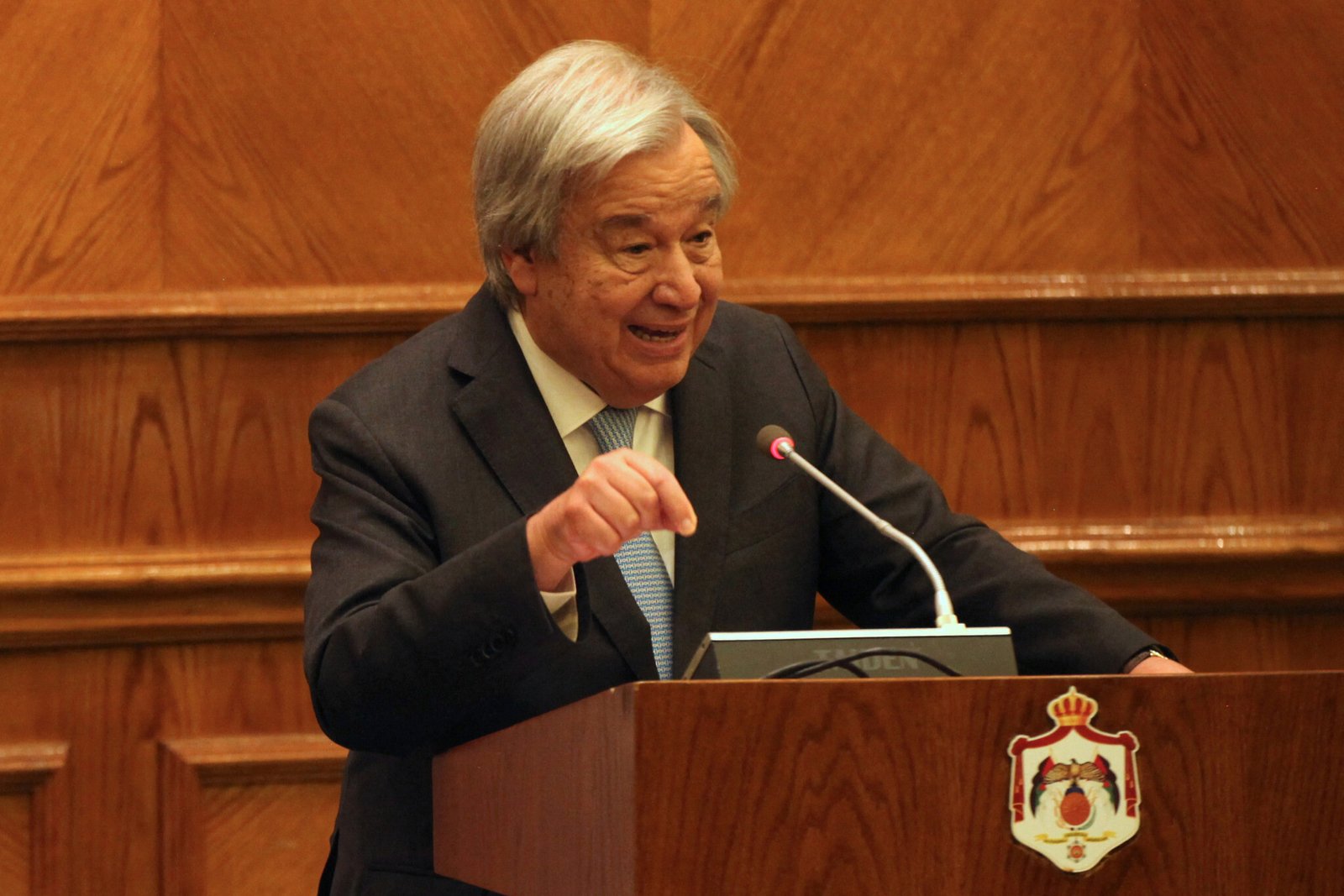
The Secretary-General of the United Nations, António Guterres, has called for an immediate ceasefire as tensions continue to rise between Israel and the Lebanese armed group Hezbollah.
His visit to Beirut comes at a delicate moment, with ongoing Israeli airstrikes in Lebanon raising fears that the conflict could widen across the Middle East.
Speaking in the Lebanese capital, Guterres urged all sides to step back from the escalating violence and prioritize diplomatic solutions. He warned that continued fighting risks dragging the region into a deeper and more dangerous confrontation, one that could have devastating consequences for civilians and already fragile economies.
The UN chief’s visit to Beirut was aimed at assessing the humanitarian situation and encouraging renewed efforts toward de-escalation. Lebanon has been struggling with years of economic hardship and political uncertainty, and the latest round of violence threatens to make conditions even more difficult for ordinary citizens.
Over the past several days, Israeli warplanes have carried out a series of airstrikes targeting locations believed to be connected to Hezbollah’s military network. Israeli officials say the operations are designed to weaken the group’s ability to launch rockets and drones toward northern Israel. Residents in several parts of Lebanon have reported loud explosions and heightened military activity in the skies.
Israeli Prime Minister Benjamin Netanyahu said the military campaign is achieving important strategic goals. According to him, the strikes are disrupting militant infrastructure and reducing the threat posed to Israeli communities near the border. The prime minister also indicated that the broader regional tensions involving Iran remain part of the security calculations behind the ongoing operations.
Hezbollah, which has strong political and military influence in Lebanon, has been involved in intermittent cross-border clashes with Israel for years. The group has long positioned itself as a resistance movement against Israeli military actions, while Israel considers it a major security threat due to its arsenal of rockets and its close ties with Iran.
For civilians in Lebanon, the renewed escalation has created an atmosphere of anxiety and uncertainty. Many residents remember past conflicts that caused widespread destruction and displacement. Aid organizations have warned that if the violence continues, thousands of people could be forced to flee their homes, placing additional pressure on humanitarian services already stretched thin.
The international community has increasingly voiced concern that the fighting could spiral into a broader regional conflict. Diplomats fear that if tensions between Israel, Hezbollah, and Iran continue to intensify, other actors in the region could become involved, making the situation far more complex and dangerous.
During his meetings with Lebanese officials, Guterres emphasized that diplomacy remains the only realistic path to long-term stability. He stressed that protecting civilian lives must remain the top priority and called on all parties to respect international law.
For now, the situation remains highly fluid. Military operations continue while diplomatic efforts attempt to slow the escalation. Observers say the coming days could be decisive in determining whether the region moves toward de-escalation or slides further into conflicts