MWE Correspondent
Nearly two years into the conflict, the war in Ukraine continues to redraw global energy alliances, forcing governments to recalibrate supply chains, security commitments, and diplomatic partnerships.
Western sanctions led by the United States and the European Union have significantly reduced direct energy trade with Russia, once Europe’s dominant natural gas supplier. In response, Moscow has deepened energy cooperation with Asian markets, particularly China and India, offering discounted oil shipments and expanding pipeline diplomacy eastward.
Europe, meanwhile, has accelerated diversification strategies. Liquefied natural gas (LNG) imports from the United States have increased, while new agreements with African and Middle Eastern producers are reshaping long-term supply planning. Several European states have also fast-tracked renewable energy investments to reduce vulnerability to geopolitical shocks.
Energy security has become inseparable from foreign policy. Defense cooperation, trade agreements, and energy contracts are increasingly negotiated together, reflecting how fuel supplies now influence diplomatic alignments. Countries once considered neutral have found themselves navigating complex choices between economic interests and political alliances.
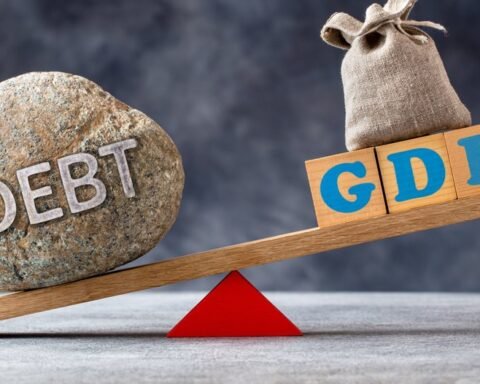
Global oil markets remain sensitive to battlefield developments and diplomatic signals. Even modest escalations can trigger price fluctuations, affecting fuel costs and inflation far beyond Eastern Europe. Developing economies — particularly in Africa — continue to feel indirect pressure through higher import bills and currency volatility.
Ukraine’s grain exports, though partially restored through alternative routes, also remain tied to the broader security situation. Disruptions in Black Sea shipping during earlier phases of the conflict underscored how regional instability can reverberate through global food markets.
China has maintained a careful diplomatic position, advocating dialogue while strengthening economic ties with Russia. India has similarly balanced strategic partnerships, increasing energy imports from Moscow while maintaining cooperation with Western economies. The war has therefore reinforced the emergence of a more multipolar international system.
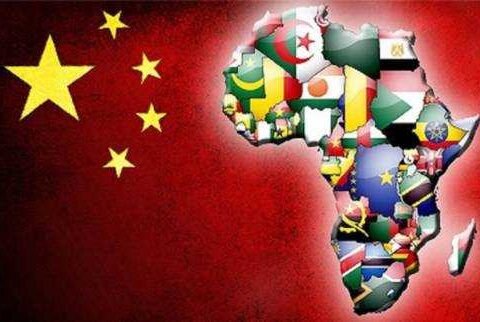
For African governments, the conflict offers lessons in strategic balancing. Many states have avoided direct alignment, emphasizing non-interference and pragmatic diplomacy. The economic consequences of sanctions and counter-sanctions have highlighted the risks of overdependence on single trade partners.
Analysts note that any eventual peace agreement will likely reshape global energy flows permanently. Europe’s diversification efforts appear structural rather than temporary, while Russia’s pivot to Asia signals a long-term realignment.