 Hassan Magulumali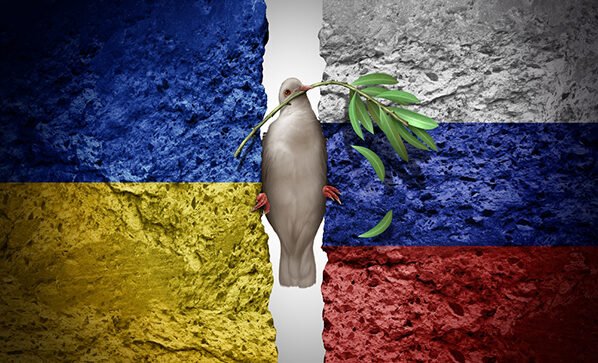
The ongoing war in Ukraine is significantly reshaping global alliances and diplomatic strategy, exposing strains within Western partnerships, deepening Russia’s engagement with non-Western powers, and accelerating the shift toward a more multipolar international order.
As fighting continues alongside intermittent peace diplomacy, the geopolitical consequences of the conflict are expanding well beyond Eastern Europe, influencing how major and middle powers structure their foreign policy, security cooperation, and economic partnerships.
Strains and Strategy Gaps in Transatlantic Relations
The United States remains Ukraine’s principal military and diplomatic backer, providing security assistance, intelligence support, and leading sanctions coordination against Russia. However, policy differences have surfaced between Washington and several European capitals over negotiation timing, acceptable settlement terms, and long-term security guarantees for Kyiv.
Some European governments favor a phased diplomatic track that could reduce battlefield intensity and economic disruption sooner, while others support a harder line that prioritizes Ukrainian territorial sovereignty and stronger deterrence measures against Moscow before any settlement. Disagreements have also emerged over how security guarantees should be structured and whether they should resemble NATO-style mutual defense commitments or looser multilateral arrangements.
Energy exposure, defense spending burdens, and domestic political pressures inside Europe have further complicated consensus, even as NATO cooperation has strengthened operationally since the invasion.
Russia Expands Non-Western Partnerships
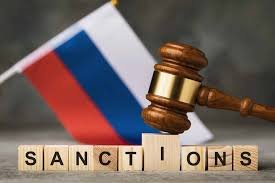
Facing sustained Western sanctions across finance, energy services, technology, and defense sectors, Russia has accelerated its strategic pivot toward China and other non-Western partners. Moscow has increased the use of alternative payment systems, non-dollar trade settlements, and bilateral currency arrangements to maintain cross-border commerce.
Read More: Western Sanctions on Russia Reshape Global Economy and Energy
Energy exports have been redirected in greater volumes toward Asian markets, while diplomatic and security engagement with parts of Asia, the Middle East, Africa, and Latin America has expanded. These channels provide Russia with economic outlets and political backing that dilute the intended isolating effect of Western sanctions.
China in particular has become central to Russia’s external economic resilience through trade, industrial supply links, and diplomatic coordination in multilateral forums. While Beijing publicly calls for negotiated settlement, it has also strengthened strategic cooperation with Moscow, complicating Western pressure campaigns.
Multipolar Order Gains Momentum
The conflict has reinforced a broader structural shift toward a multipolar system in which influence is distributed across several major power centers rather than dominated by a single bloc. China, Russia, India, and groupings such as BRICS are increasingly positioning themselves as alternative diplomatic and economic poles alongside Western institutions.
Several countries — including a number of African, Asian, and Middle Eastern states — have adopted balancing strategies, maintaining working relations with both Western and non-Western powers instead of aligning exclusively with one side. This flexible posture is driven by energy security needs, trade interests, infrastructure financing, and defense cooperation calculations.
Multilateral platforms outside traditional Western frameworks are gaining visibility, with expanded discussions on local-currency trade, alternative development financing, and parallel governance mechanisms.
Diplomatic System Under Transition
Analysts say the Ukraine war has transformed from a regional military conflict into a catalyst for systemic diplomatic change. Alliance behavior is becoming more interest-driven and security-centric, sanctions are increasingly used as strategic instruments, and middle powers are exercising greater autonomy in alignment choices.
The result is a more fragmented but dynamic diplomatic environment, where coalition building is fluid and geopolitical leverage is distributed more widely. How the Ukraine conflict ultimately resolves — through negotiation, stalemate, or escalation — is expected to further shape the architecture of global diplomacy in the coming decade.