MWE Correspondent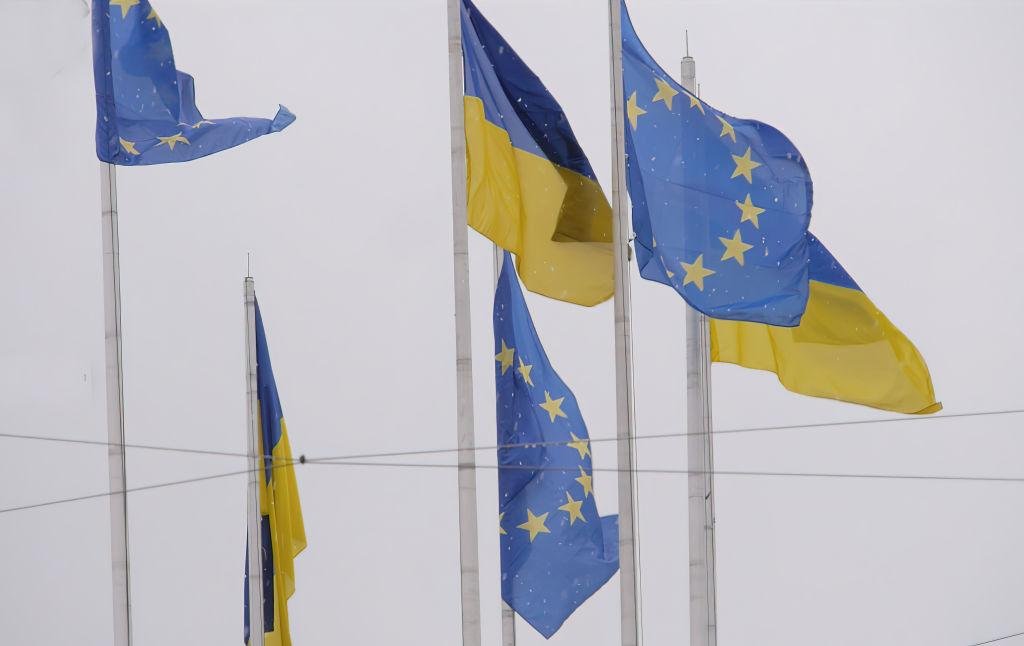
Ukraine has taken a decisive step toward its Western future after President Volodymyr Zelensky publicly confirmed that the country is working toward full membership in the European Union by 2027, marking one of the most significant milestones in its modern political history.
Speaking alongside European Commission President Ursula von der Leyen, Zelensky described the timeline as a breakthrough moment following years of negotiations, reforms and national sacrifice. The announcement signals growing confidence within European leadership that Ukraine’s accession process is advancing steadily toward completion.
The move would formally anchor Ukraine within the European Union, reshaping the political and economic landscape of the continent at a time of heightened geopolitical tension. For Kyiv, membership represents not only economic opportunity but also long-term security and alignment with democratic institutions.
Zelensky said the commitment reflects recognition of Ukraine’s progress in strengthening governance, judicial reforms and economic standards required for EU entry. He noted that despite the enormous pressures created by years of conflict, the country has continued to modernize its institutions while deepening cooperation with European partners.
Von der Leyen praised Ukraine’s resilience and reform momentum, emphasizing that the EU remains committed to supporting Kyiv through the final stages of the accession process. She said the bloc views Ukraine’s future as inseparable from Europe’s own stability and prosperity.
Ukraine was officially granted candidate status in 2022, a move that symbolized Europe’s political backing amid ongoing tensions with Russia. Since then, the government has accelerated reforms in anti-corruption measures, public administration and economic transparency — key areas required for membership.
Analysts say setting a concrete timeline carries powerful political weight. While EU expansion has traditionally been a lengthy process, the announcement suggests unprecedented urgency driven by shifting security realities across the continent.
The integration would dramatically expand the EU’s eastern frontier while delivering Ukraine access to Europe’s single market, investment networks and development funds. Economists believe this could accelerate reconstruction efforts and long-term growth following years of war-related damage.
Also Read; South Africa Plans Temporary Exit From G20 During Presidency
At the same time, the move sends a strong geopolitical signal, reinforcing Ukraine’s permanent break from Moscow’s sphere of influence. The conflict with Russia, which escalated in 2022, transformed Ukraine’s foreign policy direction almost overnight, pushing the nation firmly toward European and transatlantic alliances.
Observers note that the EU’s willingness to advance Ukraine’s membership reflects broader efforts to stabilize Eastern Europe and counter regional insecurity. For many European states, bringing Ukraine into the bloc is now seen as a strategic necessity rather than just an economic partnership.
The announcement also comes as global alliances face new strains, with diplomatic relationships shifting in response to conflicts, trade tensions and security concerns. By locking in Ukraine’s European path, Brussels and Kyiv are reinforcing a long-term political bond that extends well beyond the current crisis.
Zelensky, whose leadership has become a global symbol of resistance and reform, said Ukraine’s future lies firmly within Europe’s democratic family. He described EU membership as the fulfillment of a national dream that generations of Ukrainians have pursued.
International relations experts compare the moment to historic EU expansions that reshaped post–Cold War Europe, particularly when former Eastern Bloc nations joined the union in the early 2000s.
With reforms continuing and negotiations advancing, Ukraine’s bid now appears closer than ever to becoming reality.