MWE Correspondent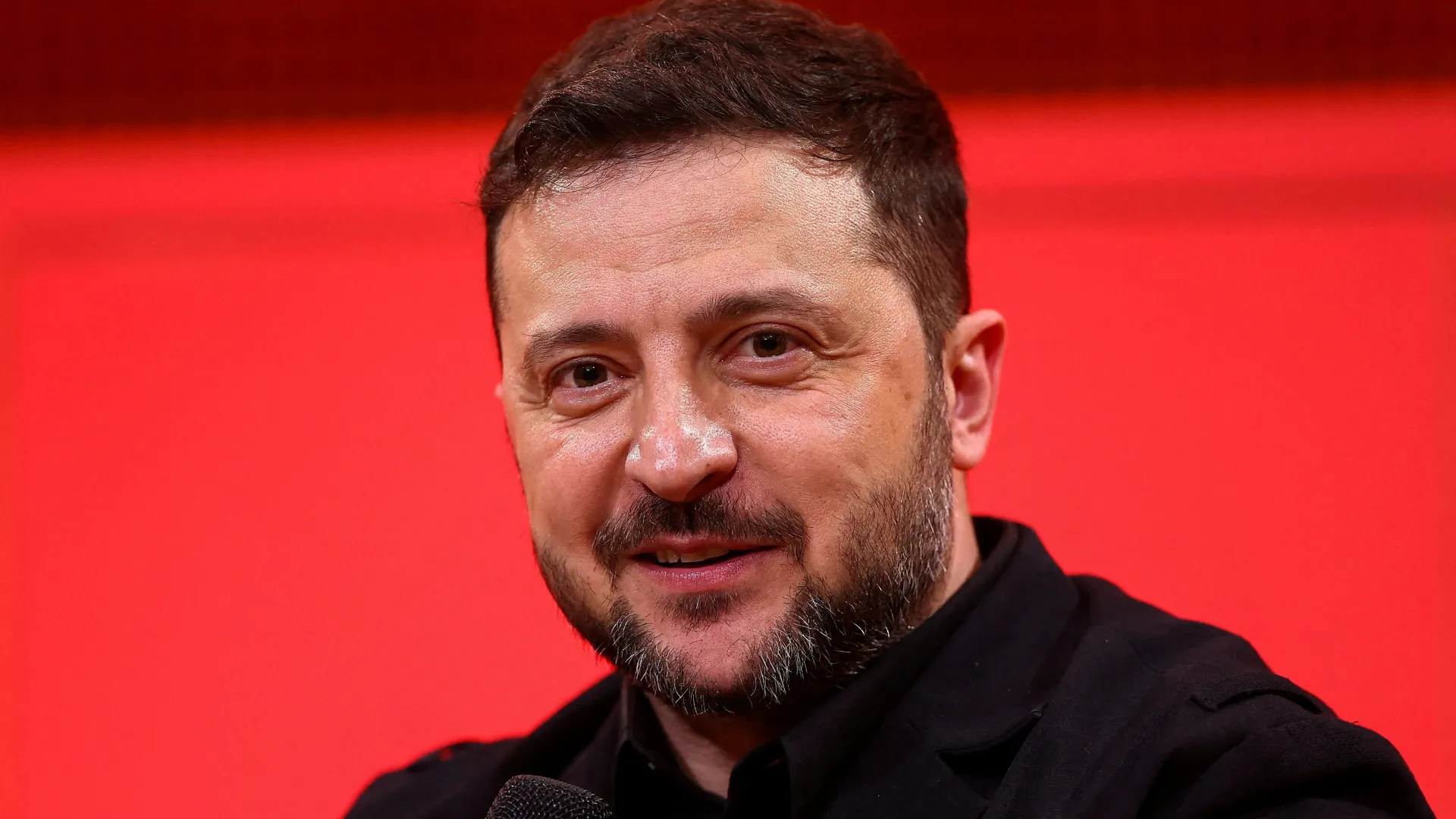
Ukraine has made it clear that its growing role in assisting Middle Eastern countries to defend against Iranian attack drones is not free — it wants financial compensation and access to advanced technology in return, President Volodymyr Zelenskyy said this week.
The remarks come as Kyiv’s expertise in counter‑drone warfare draws increasing interest from nations grappling with drone threats spilling over from regional conflicts.
In recent weeks, Ukraine dispatched teams of defence specialists to several Gulf states — including Qatar, the United Arab Emirates and Saudi Arabia — as well as to a U.S. military base in Jordan to assess local air‑defence needs and share lessons learned from its own long conflict with Russia. These missions have focused on strategies for countering Iranian‑made Shahed drones, unmanned aerial systems that have been widely used in regional hostilities and have proved difficult to stop with conventional defences.
President Zelenskyy told reporters that Kyiv is willing to share its hard‑earned knowledge — including tactics, training and possibly hardware — but only if partner countries offer something in exchange. He said that Ukraine expects either direct financial support or access to advanced defence technology, which would help strengthen its own military situation while responding to global interest in its capabilities. (
“This is about cooperation on fair terms,” Zelenskyy said, stressing that Ukraine is not participating directly in any combat in the Middle East but is instead offering supportive expertise designed to save lives and improve defence systems.
Analysts say Kyiv’s stance reflects its desire to leverage its unique position as one of the few countries with extensive experience countering persistent drone attacks. Over the course of the war with Russia, Ukraine has developed techniques and systems that can intercept and neutralise swarms of low‑cost drones at a fraction of the cost of traditional missile interceptors.
Middle Eastern nations, including U.S. allies, have faced intensified drone attacks in recent months, prompting requests for offensive and defensive support. Kyiv’s specialists have reportedly been conducting evaluations of air‑defence networks, advising on improvements and demonstrating how Ukraine’s methods can be adapted to different terrain and threat environments
Many of these countries have been stretched trying to defend against waves of unmanned aerial vehicles, leading to calls for more effective and affordable counter‑drone solutions. This demand has opened diplomatic and commercial avenues for Ukraine to expand its defence cooperation beyond Europe.
Also Read; US Military Identifies Six Airmen Killed Iraq Cras
Despite interest from several governments, Zelenskyy acknowledged that negotiations over compensation and technological exchange have not been straightforward. He expressed frustration at the slow pace of talks around a proposed drone defence cooperation package with certain Western partners, and criticised attempts by foreign entities to negotiate without Kyiv’s direct involvement
Moreover, President Zelenskyy warned that escalating conflicts in other regions — particularly the ongoing war involving Iran — could divert global attention and critical air‑defence resources away from Ukraine’s own needs. He noted that Ukraine must carefully balance its commitments abroad with its ongoing efforts to defend its sovereignty.
Experts suggest that Ukraine’s approach could signal a shift in how nations trade military expertise in the 21st century. Rather than viewing military aid as purely altruistic, Kyiv is pushing for mutually beneficial arrangements that strengthen its own defenses while helping partners counter shared threats.
If successful, these agreements could lead to wider technology transfers and formalised defence partnerships that extend beyond the current crisis, potentially shaping how air‑defence cooperation is conducted in an era where unmanned systems are increasingly central to modern warfare.