MWE Correspondent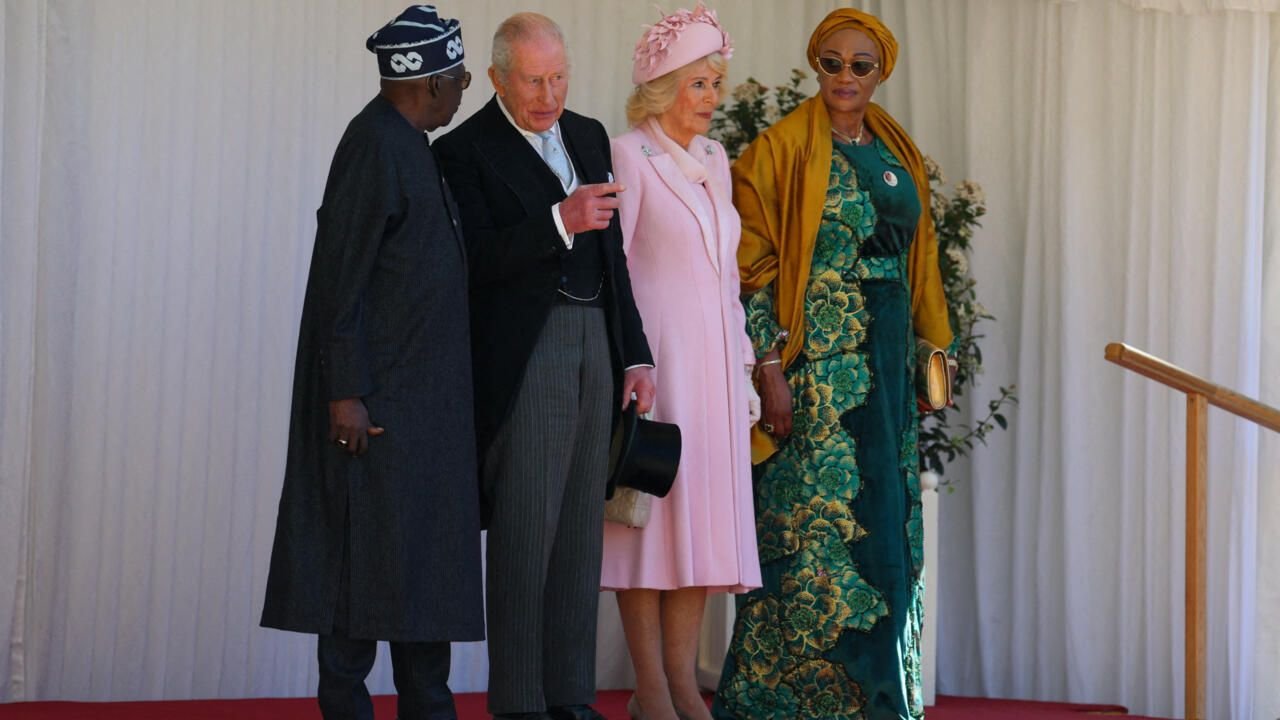
The King Charles III has reaffirmed the United Kingdom’s commitment to building what he described as a “partnership of equals” with Nigeria, signaling a renewed diplomatic tone as global alliances continue to evolve in a shifting geopolitical landscape.
The remarks were made during a high-profile royal banquet in honor of Nigeria’s president, Bola Tinubu, who is currently on an official visit to the United Kingdom. The visit marks a significant moment in relations between the two nations, rooted in shared history but increasingly focused on future cooperation across trade, security, and development.
Speaking at the event, King Charles emphasized mutual respect and shared ambition as the foundation of modern international relations, noting that both countries stand to benefit from deeper collaboration. His remarks come at a time when the UK is seeking to strengthen ties with key African economies, while Nigeria continues to assert its role as a leading voice on the continent.
President Tinubu’s visit also includes a scheduled meeting with UK Prime Minister Keir Starmer, where discussions are expected to center on economic partnerships, investment opportunities, and regional stability. Analysts suggest the talks could open new pathways for bilateral cooperation, particularly in sectors such as energy, infrastructure, and technology.
Nigeria, Africa’s most populous nation, remains a critical partner for the UK, not only because of its economic potential but also due to its strategic importance in West Africa. The strengthening of ties between the two nations reflects broader efforts to redefine relationships between former colonial powers and emerging economies in a more balanced and forward-looking framework.
Also Read; US Eases Sanctions to Stabilize Global Oil Prices
Observers note that the language of a “partnership of equals” carries symbolic weight, especially given the historical context of British colonial rule in Nigeria. It suggests a deliberate shift toward diplomacy based on mutual benefit rather than hierarchy, aligning with global calls for fairness and inclusivity in international relations.
The visit comes amid growing global competition for influence in Africa, with several world powers increasing engagement across the continent. In this context, the UK’s outreach to Nigeria highlights its intention to remain a key player in shaping economic and political partnerships in the region.
While no major agreements have yet been publicly announced, expectations remain high that the visit will lay the groundwork for future deals and long-term cooperation. Both sides appear keen to project a united front built on shared goals and pragmatic diplomacy.
As the talks continue, attention will remain on how these engagements translate into tangible outcomes, particularly for economic growth and development. For now, the optics of the visit—marked by royal ceremony and high-level political dialogue—underscore a renewed chapter in UK-Nigeria relations, one that both nations hope will deliver lasting impact on the global stage.